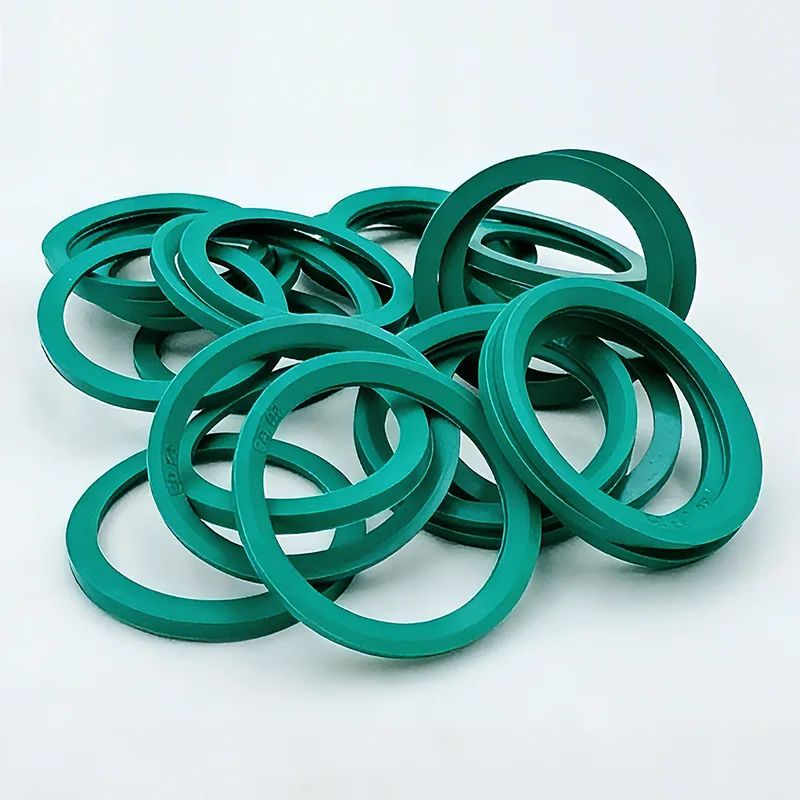

China Customized Liquid Silicone Products Supplier
Looking to purchase high-quality Liquid Silicone Products? Or seeking reliable custom liquid silicone overmolding solutions? Consider Aobo Silicone as your manufacturer and supplier. With factories in China and Vietnam, stable processing capabilities, mature technology, and OEM services available.
What is Liquid Silicone Rubber Overmolding?
Liquid silicone rubber overmolding (LSR overmolding) is a precision two-color/multi-color injection molding process. Its core is to precisely coat and bond liquid silicone rubber (LSR) onto the surface of rigid substrates such as plastic, metal and ceramic via special injection molding equipment, forming an integrated composite product with a rigid substrate + soft silicone structure. It ultimately achieves functions including sealing, anti-slip, shock absorption, insulation and ergonomic coating, with excellent flexibility, wide temperature range stability, outstanding sealing performance and environmental protection properties. The finished products can withstand extreme temperatures and contain no plasticizers, and this process is widely applied in the maternal and infant, home appliance, medical, automotive, electronic and other industries.
What Materials Can Be Overmolded with Liquid Silicone Rubber?
Liquid Silicone Rubber Overmolding (LSR Overmolding) enables a strong bond with a variety of high-performance plastics. Plastic materials include: PC, PA66, PBT, TPU, PP/PE; metal materials cover stainless steel, aluminum alloy and other metal components.
What Are the Metal Material Requirements for LSR Overmolding on Metal Parts?
Materials are recommended on a priority basis according to application requirements: 316L stainless steel or titanium alloy is the first choice for medical-grade/food contact scenarios.
304 stainless steel or surface-treated aluminum alloy (A6061/A7075) is recommended for high and low temperature resistant environments in automotive/industrial fields.
Stainless steel, C11000 copper alloy or MIM parts are suitable for precision components in consumer electronics.
Why Choose Liquid Silicone Rubber Overmolding for Precision Injection Molded Parts?
Liquid Silicone Rubber (LSR) Overmolding is the preferred choice for precision injection molded parts, primarily due to its comprehensive advantages in material performance, process precision and production efficiency—it is especially suited for application scenarios with extremely high requirements for sealing, reliability and precision.
1. As a liquid system, LSR overmolding forms a uniform three-dimensional network structure after platinum vulcanization, featuring zero porosity and no air bubbles (bubble rate controllable below 0.1%). It fundamentally blocks the infiltration paths of water and dust, easily achieving high-grade IP67 and IP68 waterproof and dustproof ratings.
2. It exhibits ultra-low deformation rate under long-term compression (≤10% in the 70℃×22h test), far outperforming traditional solid silicone rubber.
3. LSR overmolding maintains stable performance across an extreme temperature range of -60℃ to 200℃, with excellent resistance to aging, damp heat and ultraviolet radiation. Even for long-term use in harsh environments such as outdoor and automotive applications, it is not prone to cracking, swelling or aging, ensuring the long-term effectiveness of waterproof and sealing functions.
4. With a much lower room-temperature viscosity than solid silicone rubber, LSR overmolding can precisely fill ultra-thin cavities below 0.1mm and complex microstructures (e.g., lips, bellows, labyrinth seal grooves) via low-pressure injection molding, enabling precision designs that cannot be achieved by traditional processes.
5. LSR overmolding can be integrally molded with substrates such as metal and plastic via in-mold overmolding, forming a seamless composite structure that completely eliminates the leakage risk caused by gaps in traditional assembled components.
6. LSR molding can be combined with vacuum injection technology to completely eliminate air bubbles in the rubber compound and trapped air in the mold cavity, avoiding the formation of "sealing blind spots" and ensuring the structural integrity of products.
7. Specialized grades of LSR overmolding can form high-strength adhesion with substrates including stainless steel, PA66 and PC (peel strength ≥4.5N/mm).
8. Through formula modification, LSR overmolding can simultaneously achieve flame retardancy (UL94 V0) and thermal conductivity (thermal conductivity ≥2.5W/m·K). While meeting waterproof requirements, it also fulfills multiple demands such as heat dissipation and safety.
We’re here to help. Send us a message and get a response within 24 hours.
Email: postmaster02@dgabgj.com
Mobile Phone: +86-18027576325
- View as
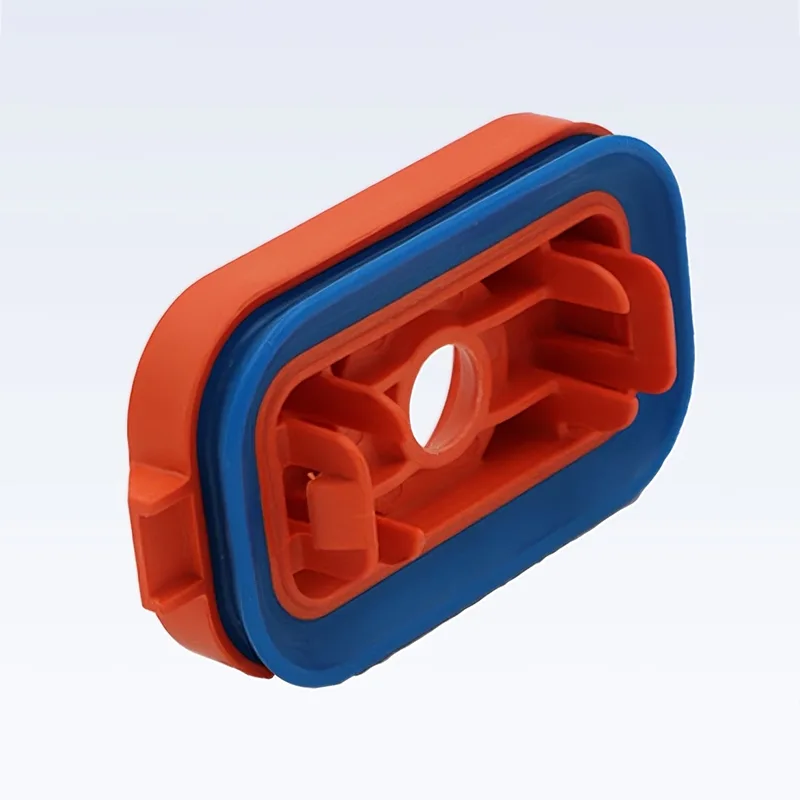
Liquid Silicone Rubber Plastic Parts Overmolding
Premium Liquid Silicone Rubber Plastic Parts Overmolding is offered by professional manufacturer Aobo Silicone, integrating liquid silicone rubber (LSR) with PC, ABS, PA, or PBT plastic substrates through a two-component injection molding process. It features high-temperature resistance (-60°C to 200°C), excellent adhesion, electrical insulation, and biocompatibility. Widely used in electronics, medical devices, beauty equipment, and automotive applications, it ensures durability, stability, and precise performance.
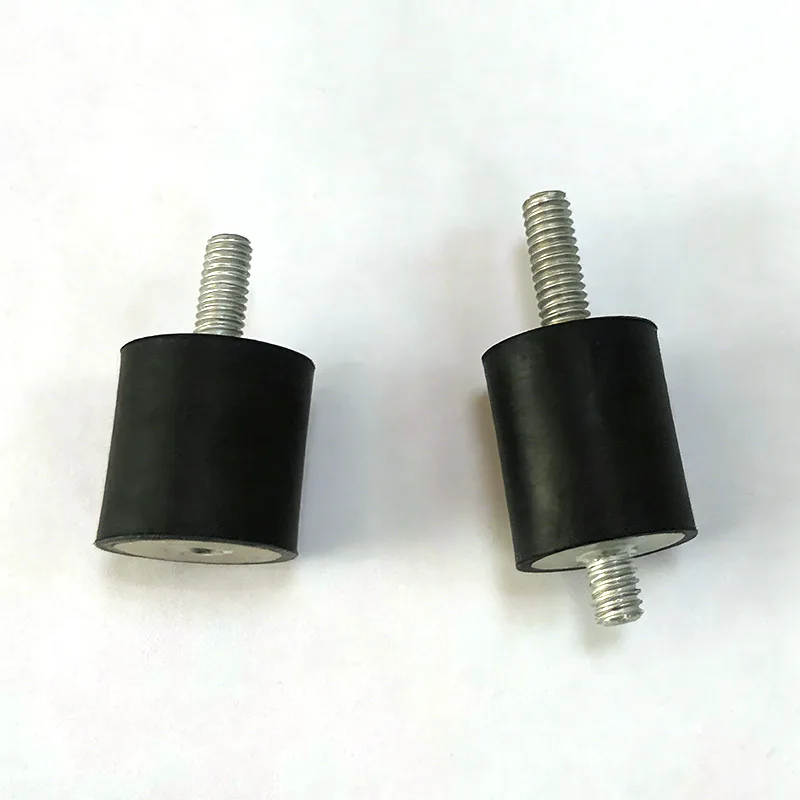
Liquid Silicone Rubber Metal Overmolding
Aobo Silicone offers factory direct high-performance Liquid Silicone Rubber Metal Overmolding, which tightly integrates metal parts with liquid silicone to provide structural support, flexible protection, and excellent sealing performance. The product is resistant to high temperatures, aging, oil, and acids/bases, and remains stable from -60°C to 200°C. It enhances component lifespan and reliability while ensuring consistent performance in mass production.
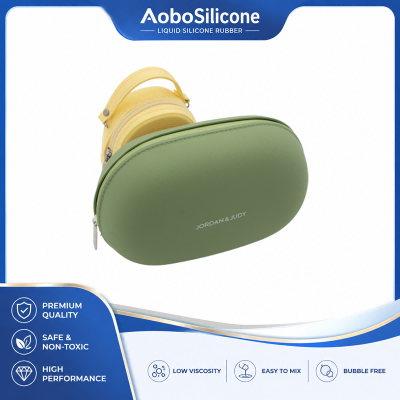
Silicone Bags
Aobo Silicone is a professional manufacturer based in China, specializing in the R&D and production of high-quality silicone bags, delivering silicone bag solutions that combine practical performance and stylish texture to customers worldwide. Made from premium silicone with mature production techniques and ergonomic design, our products boast a soft touch, excellent durability and easy-to-clean properties. We support both wholesale of ready stock and full-range personalized customization, catering to diverse commercial needs such as retail sales, brand gifts and scenario-based storage.
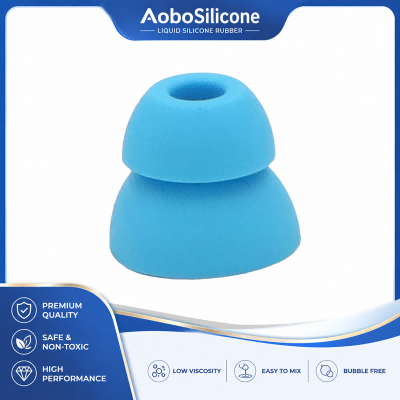
Silicone Ear Tips
Aobo Silicone is a professional original manufacturer of Silicone Ear Tips based in China, with 16 years of experience in liquid silicone rubber molding and full in-house production capabilities. Our products are made of food-grade LSR via one-piece injection molding, featuring a skin-friendly texture, odorless property, stable resilience and deformation resistance, delivering both comfortable wear and excellent sound-sealing performance. We support full-dimensional OEM/ODM customization in size, hardness, color and structure, suitable for end applications including Bluetooth earphones, sleep noise reduction and industrial hearing protection.
As a reliable Liquid Silicone Products manufacturer and supplier in China, we have our factory. If you want to buy customized and durable products, please contact us.