
High-Performance Silicone Sealing Rings Manufacturer
Aobo Silicone is a professional manufacturer and supplier of silicone sealing rings, a crucial and best-selling category among the silicone products we process. We have established strong partnerships with clients both domestically and internationally by customizing sealing rings to meet the specific working conditions of various industries.
What is a silicone sealing ring?
A silicone sealing ring is an elastic sealing component made of silicone rubber as the core raw material, formed through mixing, compression/extrusion molding and vulcanization. It is one of the most widely used types of sealing parts. Its core function is to fill the gaps on the sealing surface through its own elastic deformation, block the leakage of gas and liquid, and meanwhile absorb vibrations and isolate dust, making it suitable for static and low-intensity dynamic sealing scenarios. It is widely applied in hydraulics, pneumatics, automotive, chemical engineering, aerospace and other fields.
Why are silicone sealing rings needed in daily life?
Silicone sealing rings are an essential part of daily life, with their core functions being leakproofing, dustproofing, waterproofing and air isolation. They act as an invisible safeguard for the smooth operation of many commonly used items and prevent malfunctions.
What are the advantages of silicone sealing rings?
The core advantages lie in their compliance with food-grade and medical-grade certifications, and they will not experience material aging or cracking due to temperature changes. With excellent ozone, UV and oxidation resistance, they won’t harden, crack or become sticky even when used outdoors for a long time. They can quickly recover their original shape without deformation after being compressed or stretched for an extended period.
What Is the Role of the Silicone Sealing Ring in a Water Bottle?
Have you ever noticed the unnoticeable little sealing ring in the water bottles we use every day? In fact, this tiny ring plays an important role in water bottles. Today, let’s talk about the sealing rings for water bottles.
The Importance of Water Bottle Silicone Sealing Rings:
Sealing rings in water bottles effectively prevent water leakage, spillage and dust intrusion. Silicone sealing rings, in particular, feature high transparency and excellent elasticity, and can withstand extreme temperatures from minus 40 degrees Celsius to 250 degrees Celsius. Whether in cold or hot water bottles, they can maintain their elasticity and sealing performance at all times. Silicone sealing rings are also resistant to aging and easy to clean—stains can be easily removed with a simple rinse under clean water or a wipe with a damp cloth. If you are a sports enthusiast, the high temperature resistance of the sealing ring is particularly important.
Applications of Sealing Rings in Different Water Vessels:
Heat-resistant sealing rings are always used on teacups, kettles and baby bottles. These products not only prevent scalds but also ensure the safety of drinking water. Their eco-friendly and non-toxic material is safe for direct food contact. What’s more, silicone rings have excellent stretchability and resilience, making them suitable for utensils of various sizes and shapes. Leak-proof silicone rings on bottle lids and bottle necks are also a must-have, which prevent accidental water leakage. We often encounter such a scene during outdoor sports: take out a well-sealed water bottle that never leaks no matter how you shake it, and it brings a great sense of security.
Performance and Selection:
The performance of silicone sealing rings is truly impressive! They have high transparency and elasticity, and can withstand temperatures from minus 40 degrees Celsius to 250 degrees Celsius. They retain their elasticity and sealing performance whether filled with cold or hot water. Silicone sealing rings have neat edges, are soft with quick rebound, resistant to aging and reusable. In daily life, you can choose groove sealing rings of different sizes and shapes according to the specific design requirements of the product. Built-in sealing rings for bottle lids and various special-shaped silicone seals are all great choices. Remember to choose products with a variety of colors and easy-to-clean features when purchasing—this not only meets your usage needs but also elevates your quality of life.
These tiny sealing rings not only ensure the sealing performance of water bottles but also improve our quality of life.
How to Control the Hardness of Silicone Sealing Rings?
In precision engineering and daily life, silicone sealing rings have become an indispensable sealing component due to their outstanding weather resistance, chemical stability and excellent sealing performance. Whether in electronic equipment, medical devices or kitchenware, silicone sealing rings guard every detail with their unique flexibility and sealing effect. However, the hardness requirements vary greatly across different application scenarios. How to precisely control their hardness has become a key factor in ensuring product performance and service life. Today, we will talk about how to control the hardness of silicone sealing rings.
Basic Concept of Hardness:
The hardness of a silicone sealing ring is a physical quantity that measures its ability to resist external forces from pressing into its surface, which is usually expressed by Shore Hardness (Shore A or Shore D). The higher the Shore Hardness value, the harder the silicone sealing ring, and vice versa. The selection of hardness directly affects the sealing effect, durability and adaptability of the sealing ring. For example, in occasions requiring high sealing pressure and resistance to extrusion deformation, sealing rings with higher hardness are usually selected; while in environments requiring good conformability and flexibility, products with lower hardness are preferred.
Factors Affecting the Hardness:
Silicone Formulation:
The type and proportion of basic silicone materials, the type and dosage of cross-linking agents, and the type and content of fillers all directly affect the hardness of silicone. The hardness of silicone can be flexibly adjusted within a certain range by modifying the proportion of these formulation components.
Vulcanization Process:
Vulcanization is a key process that turns raw silicone rubber into cured rubber. The setting of process parameters such as vulcanization temperature, time and pressure has a significant impact on the cross-linking degree and hardness of silicone. Properly increasing the vulcanization temperature or extending the vulcanization time can often improve the hardness of silicone, but attention should be paid to avoiding performance degradation caused by over-vulcanization.
Additives and Auxiliaries:
Certain additives such as plasticizers and lubricants can reduce the hardness of silicone to a certain extent and enhance its flexibility and plasticity; while reinforcing agents such as fumed silica and diatomite help improve the hardness and strength of silicone.
Methods to Control the Hardness:
Precise Formulation Design:
Design a scientific and reasonable silicone formulation by conducting in-depth research on the properties and performance of silicone materials combined with specific application requirements. Conduct small-sample tests with laboratory equipment and continuously adjust the proportion of formulation components until the expected hardness index is achieved.
Optimization of Vulcanization Process:
Accurately set vulcanization process parameters such as vulcanization temperature curve and vulcanization time according to the characteristics of silicone and formulation requirements. Adopt advanced vulcanization equipment such as vacuum vulcanizing machines and injection molding machines to ensure the uniformity and stability of the vulcanization process, thus obtaining silicone sealing rings with consistent hardness and excellent performance.
Quality Control and Testing:
Establish a strict quality control system to monitor and inspect each process in the production process. Use professional testing equipment such as hardness testers to conduct regular random inspections and calibrations on the hardness of silicone sealing rings to ensure that the products meet quality standards.
Through these methods, we can precisely control the hardness of silicone sealing rings, meet the requirements of different application scenarios, and ensure the performance and service life of the products.
We’re here to help. Send us a message and get a response within 24 hours.
Email: postmaster02@dgabgj.com
Mobile Phone: +86-18027576325
- View as
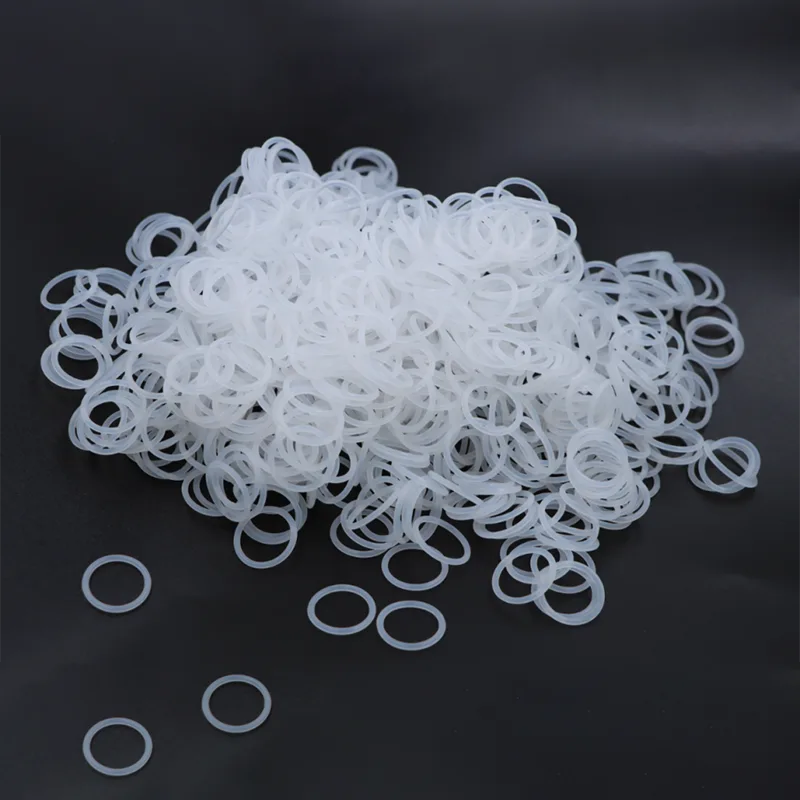
Silicone Rubber O Rings and Seals
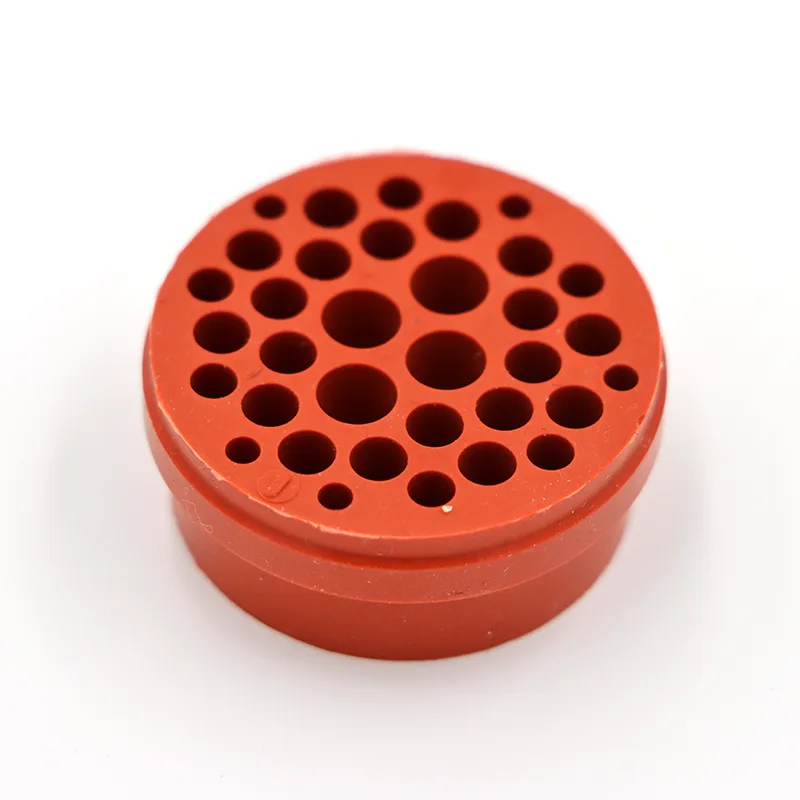
Silicone Rubber O Rings and Seals from Aobo Silicone, based in Dongguan, China, deliver high-performance sealing for automotive connectors, door closers, pumps, valves, and kitchen appliances. Designed for temperature, chemical, oil, and water resistance, with IP67 waterproofing, they ensure reliable, long-term protection in industrial and household applications.
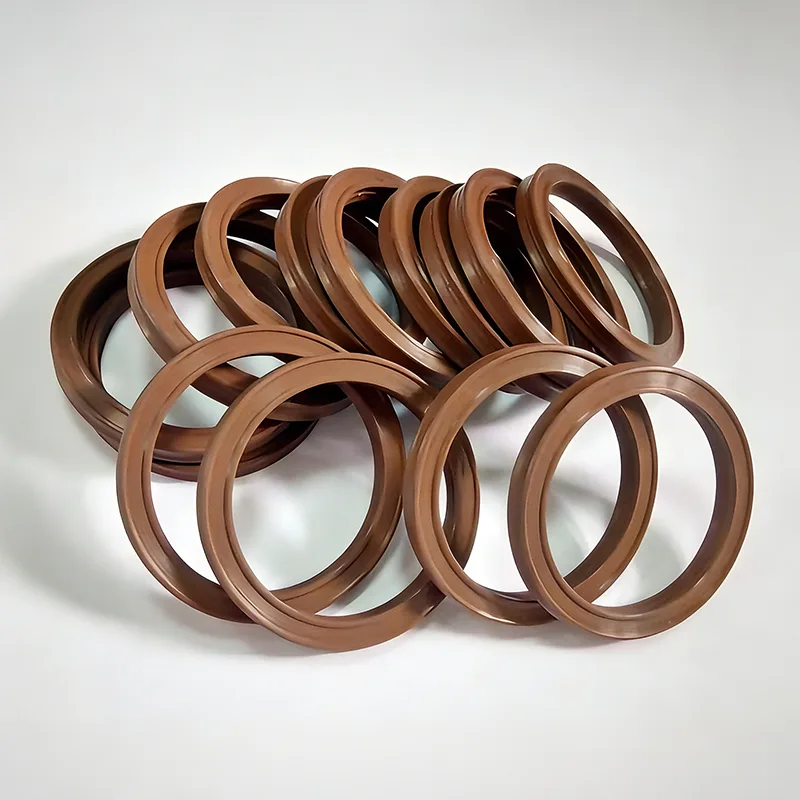
Silicone Rubber X-Rings
Aobo Silicone, a leading manufacturer, offers high-performance Silicone Rubber X-Rings for hydraulic, pneumatic, and vacuum systems. Made from premium silicone, they resist extreme temperatures, wear, and compression. Multiple material options allow adaptation across -40°C to 260°C, ensuring reliable, long-lasting sealing for demanding industrial equipment.
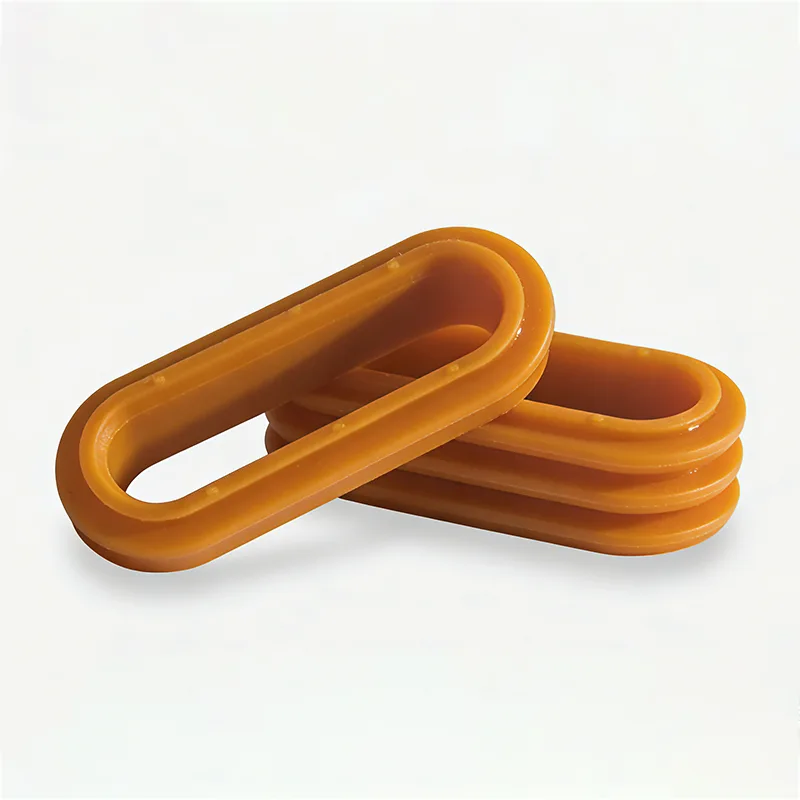
Automotive Connector Silicone Rubber Sealing Rings
As a reputable Chinese manufacturer, Aobo Silicone supplies premium Automotive Connector Silicone Rubber Sealing Rings to protect automotive connectors against water, dust, oil and corrosive gases. Featuring fine elasticity, aging resistance and -40℃ to 200℃ temperature resistance, they perform steadily in harsh environments. IP67 tested to keep leak-free and ensure durable stable operation.
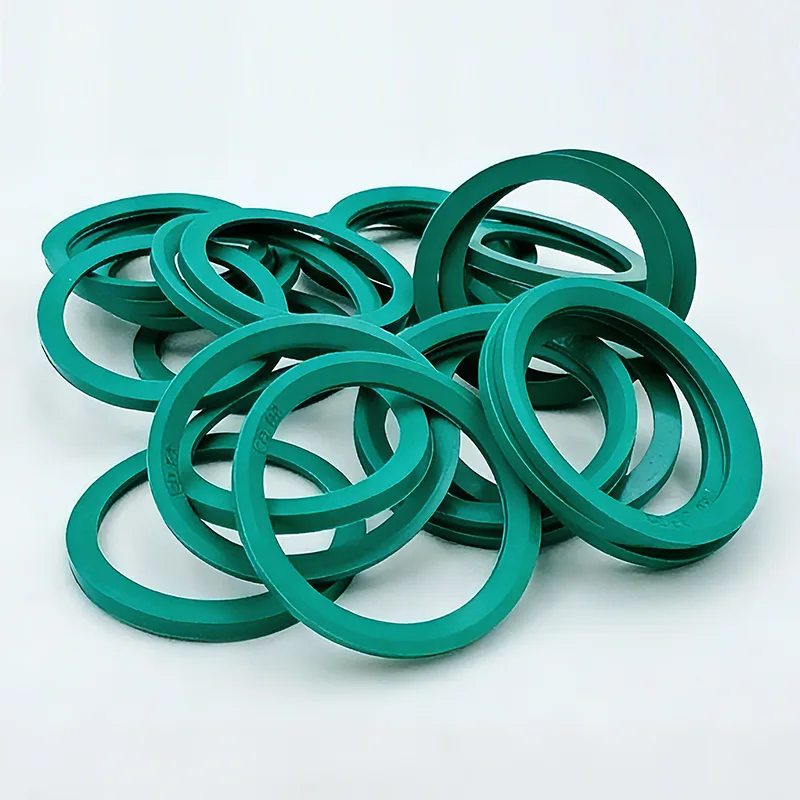
Fluorous Rubber Sealing Rings
Fluorous Rubber Sealing Rings from Aobo Silicone, a professional China-based manufacturer, supplier, and factory, offer high-performance fluorosilicone sealing solutions. These sealing rings provide outstanding ozone resistance, excellent chemical durability, and strong mechanical properties, ensuring stable performance in extreme temperatures ranging from -40°C to 200°C and harsh acid, alkali, and oil environments.
As a reliable Silicone Sealing Ring manufacturer and supplier in China, we have our factory. If you want to buy customized and durable products, please contact us.