
China High-Performance Silicone Strip Factory
To customize a silicone strip to suit your project needs, contact Aobo Silicone and get our factory-direct pricing! We have comprehensive customization, production, and quality control capabilities, and our clients are located all over the world.
What are Silicone Strips?
Silicone strips are strip-shaped elastic rubber products made with silicone rubber as the main raw material through mixing, extrusion, vulcanization and other processes. Also commonly referred to as silicone sealing strips or silicone rubber strips, they are one of the most widely used categories of silicone products. Leveraging silicone’s core properties including high and low temperature resistance, aging resistance, waterproof sealing, insulation and food-grade safety, they are suitable for various scenarios in the industrial, civil, food, maternal and infant, and automotive fields, and serve as staple basic products in the silicone product industry.
Their key features are excellent elasticity and strong weather resistance. Unlike ordinary rubber strips, silicone strips can maintain good elasticity at extreme temperatures ranging from -60℃ to 200℃, with no peculiar smell, no easy yellowing or cracking, as well as UV and Ozone resistance. In addition, certain food-grade and medical-grade variants comply with international standards such as FDA and LFGB, which ensures they are safe and non-toxic.
What Are the Functions of Silicone Strips?
The core functions of silicone strips are based on the intrinsic properties of silicone rubber, including elasticity, weather resistance, sealing performance and insulation. As fundamental elastic accessories, they deliver sealing, protection, buffering and insulation effects in various application scenarios. Different types of silicone strips (such as sealing type, food-grade type and industrial type) are designed to prioritize the corresponding functions, and can be adapted to special environments like extreme high and low temperatures, food contact and industrial corrosion.
Why Are Silicone Foam Sealing Strips More Suitable for Shock Absorption than Ordinary Rubber Strips in Precision Equipment?
Micro-vibrations during equipment operation, deformation caused by alternating hot and cold temperatures, and poor resilience after long-term compression. These are not trivial issues, but critical variables that affect precision, service life and even safety. Ordinary rubber strips harden and become brittle at -20℃, and tend to collapse and age when the temperature exceeds 80℃. In contrast, silicone foam material features an inherently stable molecular structure: it remains soft and elastic at -60℃, can withstand short-term exposure to 200℃ without decomposition, and its uniformly dense foamed pores can cushion high-frequency vibrations like breathing without transmitting resonance. It is not just "softer", but "more adept at absorbing and dissipating force".
When a 40×20mm silicone square strip is pressed into the base joints of a CNC machine tool after tightening the bolts, the overall noise of the machine is significantly reduced, and almost no hum can be felt when placing a hand on the casing. When installed on the door frame of a laboratory constant temperature box, after three months of repeated opening and closing, its cross-section remains plump without edge collapse, and the airtight sealing even stabilizes humidity fluctuations more effectively. Even when a loop of this strip is added to the roller bracket of an old printing press, the color register precision is unexpectedly improved—it turns out the machine was not loose, but the old sealing strip had long lost its ability to "absorb vibrations".
This silicone foam flat sealing strip feels soft with slight elasticity, can be cut smoothly without chipping, has a dry fitting surface that does not attract dust, and exudes a delicate matte finish in sunlight, like a quiet and reliable soft armor wrapped around the equipment.
We’re here to help. Send us a message and get a response within 24 hours.
Email: postmaster02@dgabgj.com
Mobile Phone: 18027576325
- View as
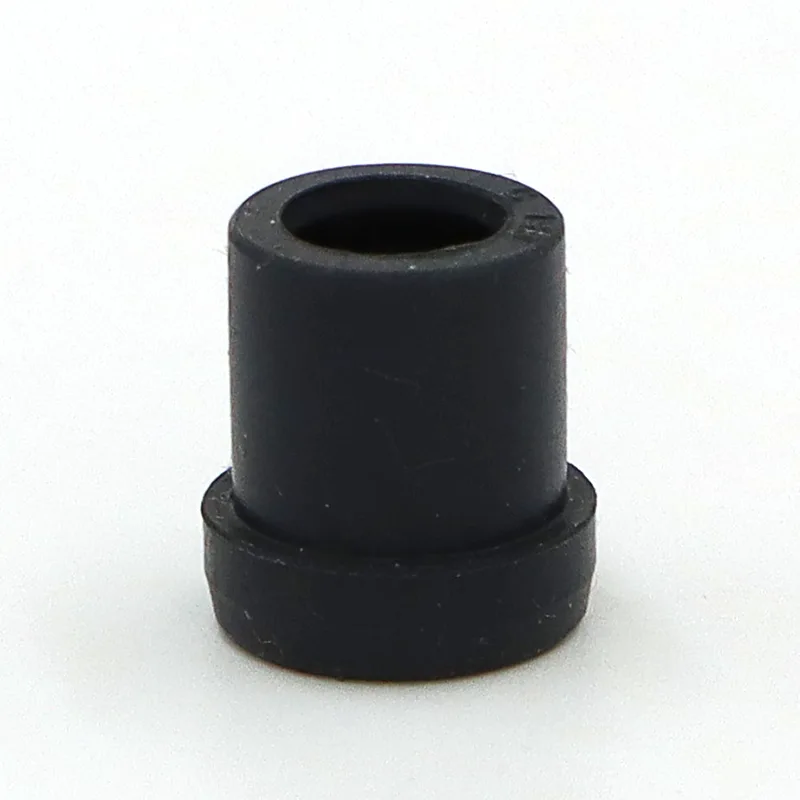
Foam Sealing Silicone Strip
Aobo Silicone is a manufacturer in China, our foam sealing silicone strip features a foam-like structure with internal air bubbles. Boasting excellent resilience, high temperature resistance and outstanding waterproof performance, it is a flagship product independently developed by Aobo Silicone manufacturer technical team, and is widely adopted as a premium choice for insulation and sealing in various electrical appliances.
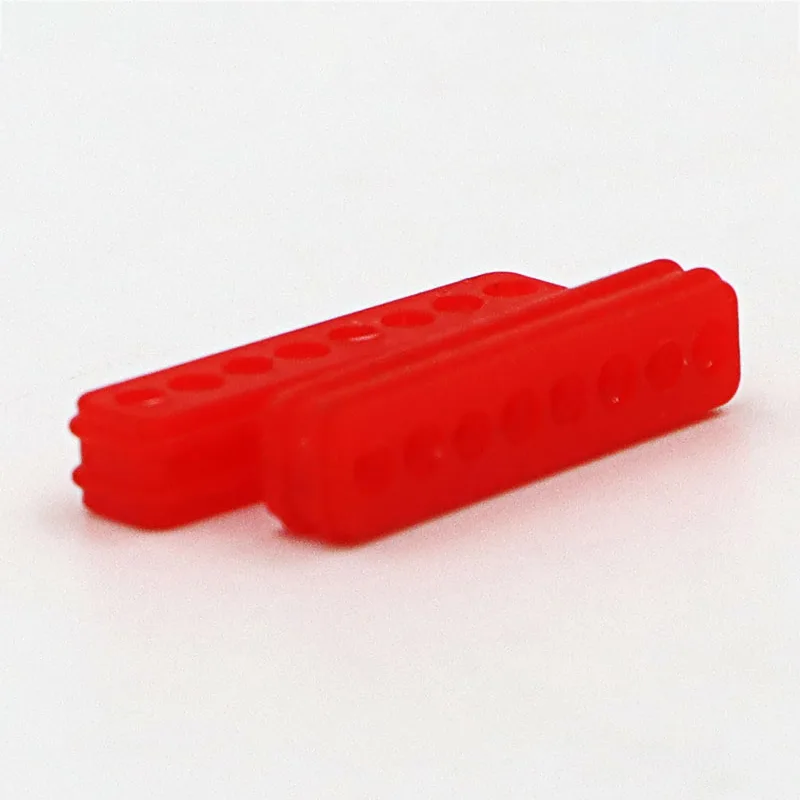
Irregular Shape Sealing Silicone Strips
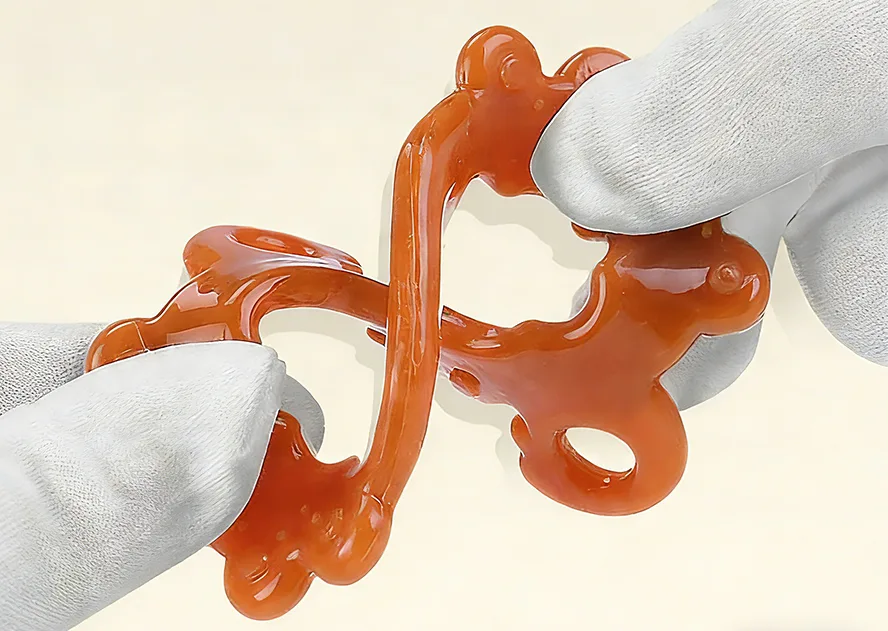
Customized irregular shape sealing silicone strips manufacturer Aobo silicone located in Guangdong province, China. The silicone strips are small in size but big in utility! Made of high-quality rubber or silicone,not only excellent elasticity, but also feature outstanding wear resistance and corrosion resistance, delivering top-tier sealing performance.
As a reliable Silicone Strip manufacturer and supplier in China, we have our factory. If you want to buy customized and durable products, please contact us.