Do You Know the High-Temperature Resistance Limits of Silicone Rubber?
Silicone rubber is widely used as a composite material in industrial equipment and household appliances, with outstanding high-temperature resistance as its core advantage. So what are its temperature resistance limits? This performance is directly determined by material formulation and is critical to application safety. We will conduct an in-depth analysis of its performance mechanism, application scenarios and limit parameters.
The polymer’s core structure consists of Si-O-Si molecular chains. Conventional silicone rubber features a temperature resistance range of -60℃ to 230℃. Custom-formulated special silicone rubber can withstand temperatures exceeding 300℃. It retains great elasticity and wear resistance even in extreme high-temperature environments. Its superior heat resistance derives from the stable Si-O-Si chain structure: it delivers strong resistance to high-temperature oxidation, low heat conductivity to reduce heat transfer, and a low thermal expansion coefficient to ensure dimensional stability. These properties make it highly adaptable for a wide range of application scenarios.
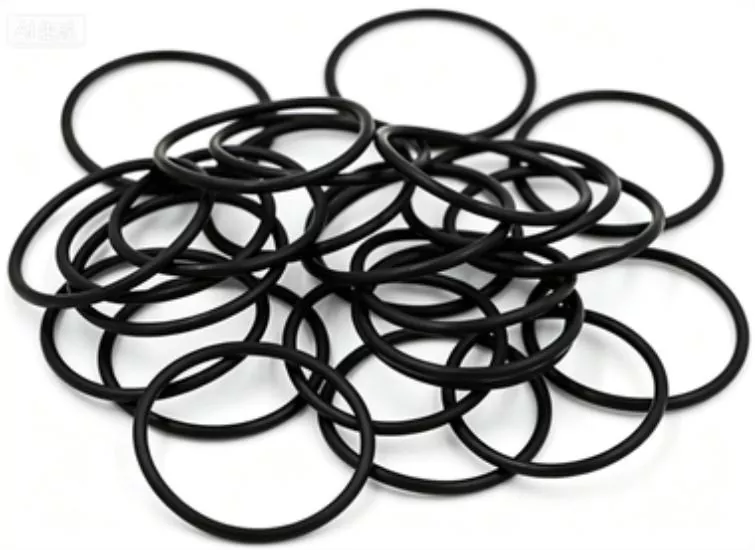
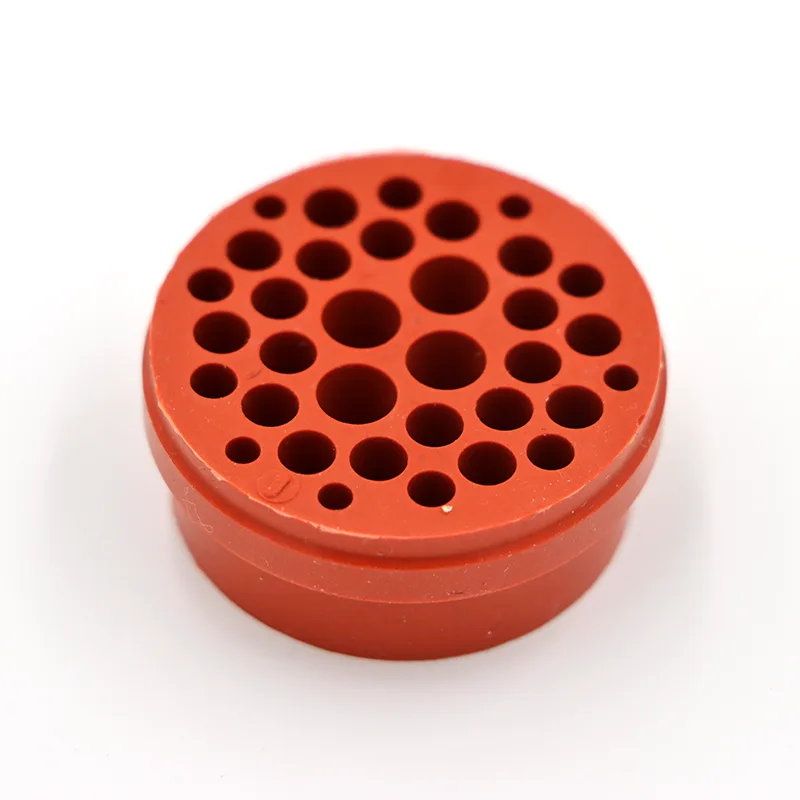
In the automotive industry, it is applied to motor sealing gaskets and cable protective sleeves, benefiting from its reliable high-temperature resistance. In the aerospace sector, silicone rubber serves as sealing components and insulating materials, capable of withstanding extreme temperature fluctuations.
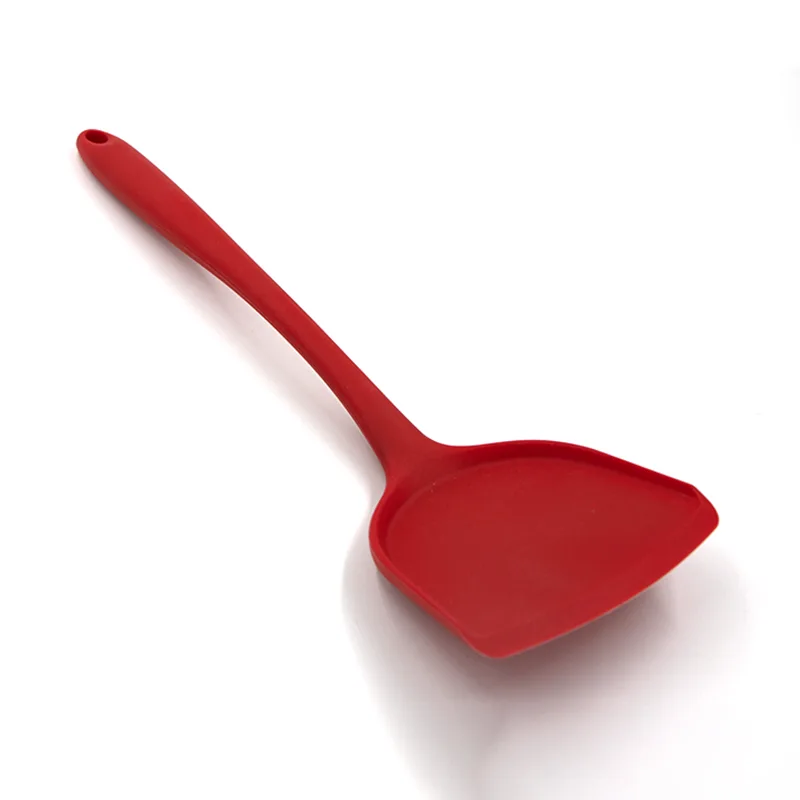
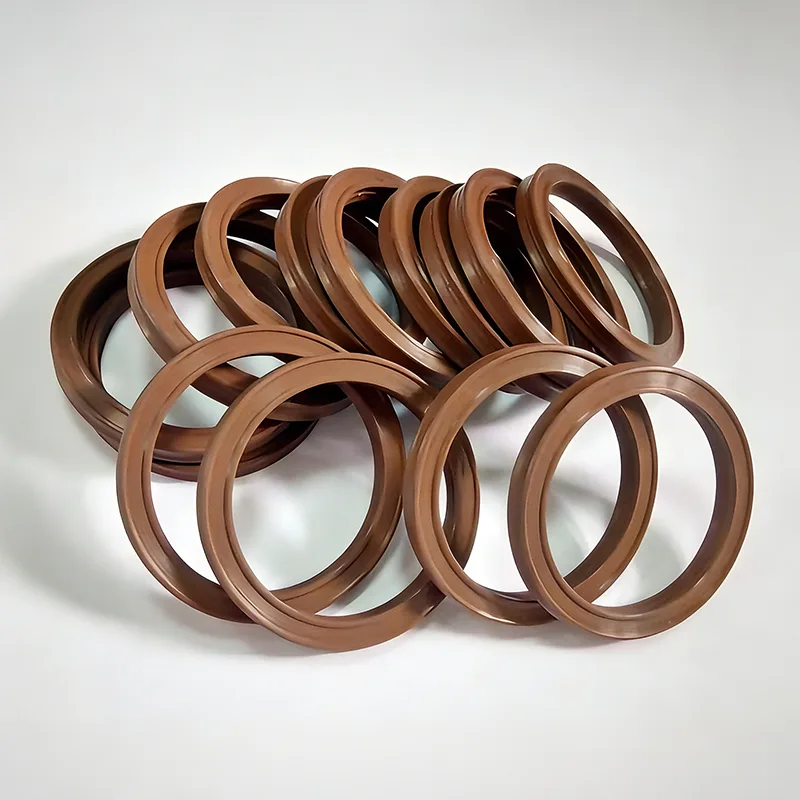
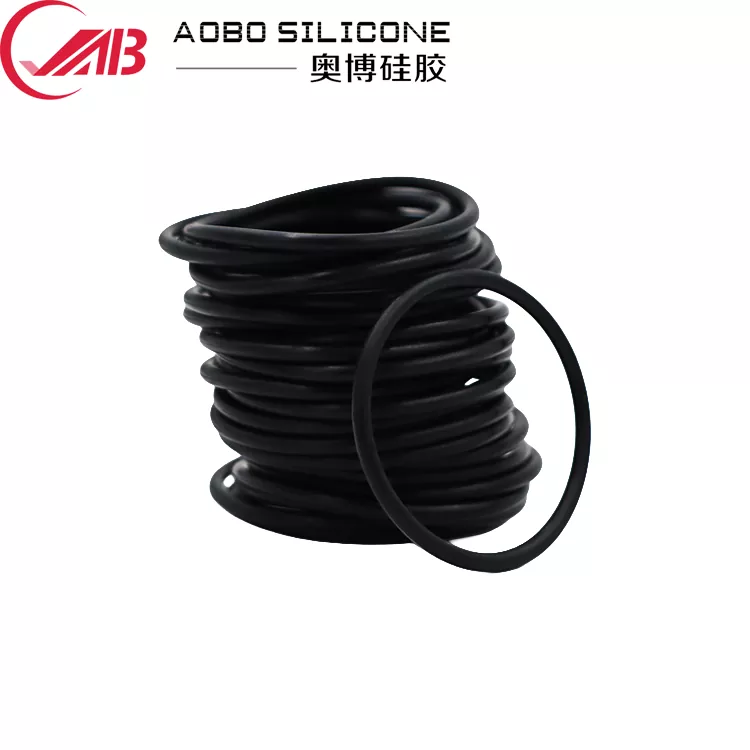
For household appliances, it is widely used in sealing rings for rice cookers and ovens. Additionally, it is adopted in high-temperature sterilization parts of medical devices and protective materials for electronic components, all relying on its superior heat resistance and stable safety performance.
Classified by heat resistance grade, standard silicone rubber high temperature resistance limits up to 230°C.
High-performance variants, enhanced by fluorosilicone blending and organosilicon modification, achieve long-term heat resistance exceeding 300°C.
Fire-resistant grades can endure high heat and direct flame exposure for a short time, satisfying extreme protection standards.
Thanks to highly customizable formulations, silicone rubber can be tailored to diverse application needs, serving as an indispensable material solution for a wide range of industries.
A clear understanding of silicone rubber’s temperature resistance thresholds is key to accurate material selection.
With advanced compounding technology, modern silicone rubber delivers outstanding high and low temperature resistance, stable chemical properties and excellent biocompatibility.
Its application boundaries continue to expand, offering dependable material protection for increasingly demanding high-temperature working environments.
Related News
- Why Do X-Rings Offer Better Sealing Performance Than O-Rings?
- What International Standards Apply to X-Rings? A Detailed Explanation of Common Dimensional Standard Systems
- 2026 Silicone Plate Recommendations: A Guide to Avoiding Pitfalls in Non-Slip Silicone Plate Selection
- Avoid the Low-Price Trap: Your Complete Guide to Sourcing O-Shaped Silicone Seal Rings
- What is a Silicone Connector? A Full Guide to Its Uses, Materials and Selection
- What Are Silicone Vape Accessories? A Complete Guide to Food-Grade Silicone Smoking Accessories
Leave me a message