What Makes Fluorous Rubber Sealing Rings the Ultimate Solution for Harsh Chemical Environments?
Fluorous rubber sealing rings are advanced sealing components engineered for extreme chemical resistance, high-temperature stability, and long-term durability in aggressive industrial environments. This article explores their material science, performance advantages, real-world applications, selection criteria, and maintenance strategies. It is designed to help engineers, procurement specialists, and industrial decision-makers understand why these sealing solutions are increasingly replacing traditional elastomers in critical systems such as chemical processing, semiconductor manufacturing, aerospace, and energy industries.
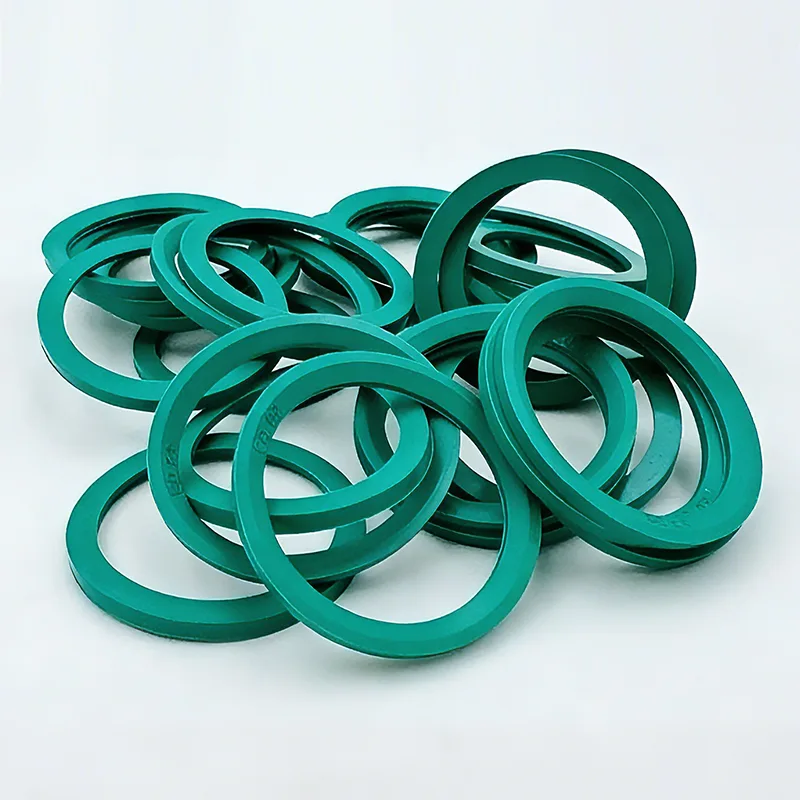
Table of Contents
- 1. Introduction to Fluorous Rubber Sealing Rings
- 2. Material Science Behind Fluorous Rubber
- 3. Key Advantages Over Conventional Seals
- 4. Industrial Applications and Use Cases
- 5. Comparison with Other Sealing Materials
- 6. How to Choose the Right Sealing Ring
- 7. Common Failure Causes and Troubleshooting
- 8. Maintenance and Service Life Optimization
- 9. Real-World Engineering Considerations
- 10. Frequently Asked Questions
- 11. Conclusion and Industrial Recommendation
1. Introduction to Fluorous Rubber Sealing Rings
In modern industrial systems, sealing performance determines operational safety, efficiency, and cost control. Leakage in chemical pipelines, semiconductor vacuum chambers, or high-temperature reactors can lead to production downtime, contamination, or even safety hazards. Traditional elastomers such as nitrile rubber (NBR), silicone, or EPDM often fail when exposed to aggressive chemicals or extreme conditions.
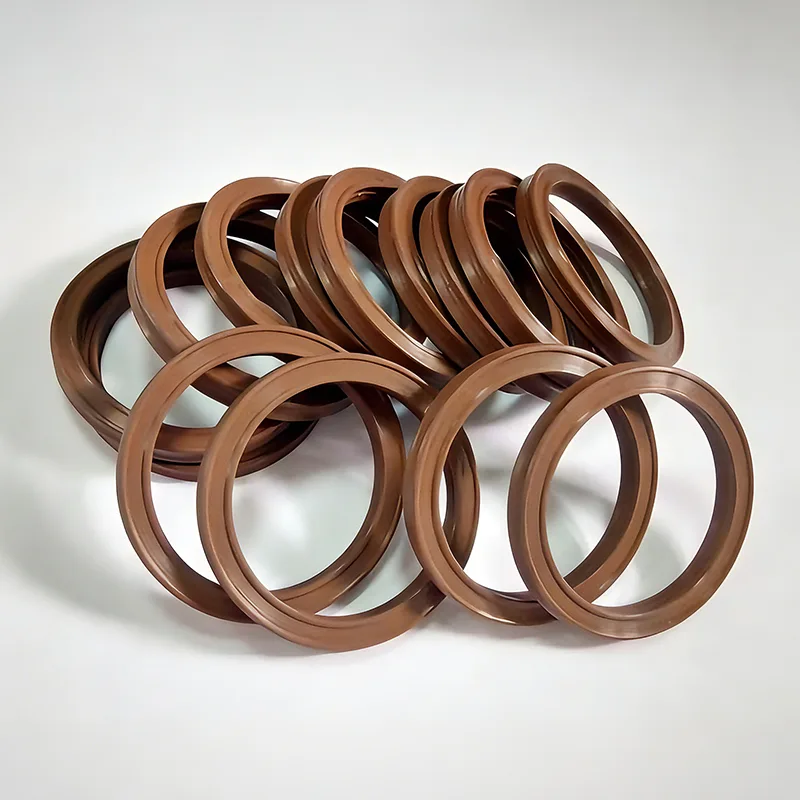
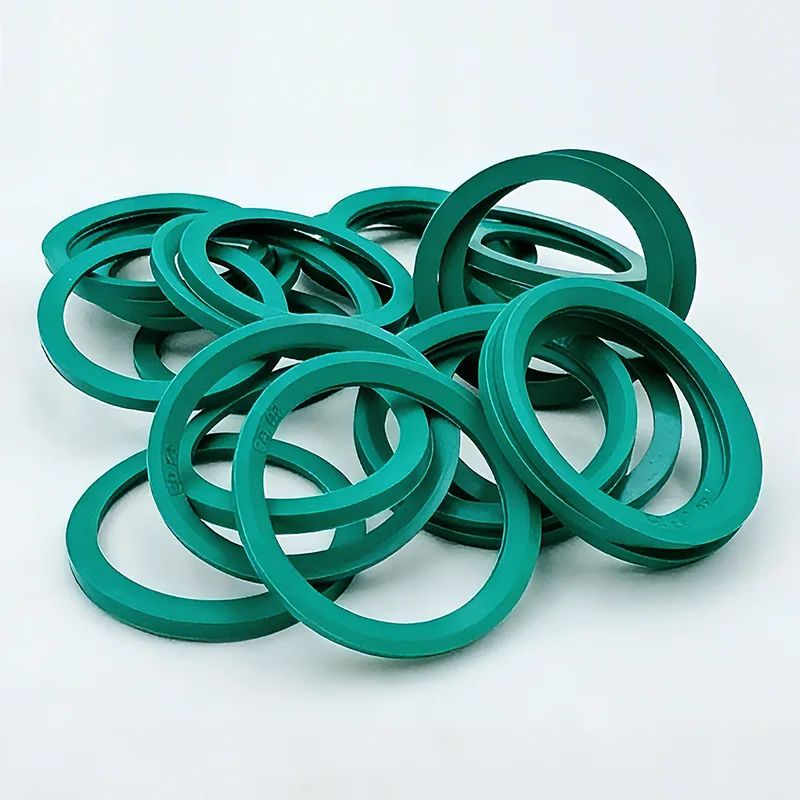
Fluorous rubber sealing rings represent a new generation of high-performance sealing technology designed specifically for such demanding environments. These sealing rings are engineered using fluorinated elastomer compounds that provide exceptional resistance to solvents, acids, fuels, and high-temperature oxidation.
Their growing adoption across chemical processing, pharmaceutical production, aerospace systems, and semiconductor fabrication reflects a clear industry trend: moving toward longer-lasting, chemically inert, and thermally stable sealing solutions.
2. Material Science Behind Fluorous Rubber
Fluorous rubber, often referred to as perfluoroelastomer (FFKM), is a highly specialized synthetic elastomer. Its molecular structure is dominated by strong carbon-fluorine bonds, which are among the most stable chemical bonds in organic chemistry. This structure is the key to its outstanding resistance properties.
Key molecular characteristics:
- High fluorine content (typically over 70%)
- Strong carbon-fluorine bonding
- Low surface energy
- High thermal decomposition threshold
Because of these properties, fluorous rubber sealing rings can maintain structural integrity even when exposed to highly reactive chemicals such as strong acids, oxidizers, and organic solvents.
| Property | Fluorous Rubber | NBR | EPDM | Silicone |
|---|---|---|---|---|
| Chemical Resistance | Excellent | Moderate | Good (limited oils) | Moderate |
| Temperature Range | -20°C to 327°C | -30°C to 120°C | -50°C to 150°C | -60°C to 230°C |
| Cost Level | High | Low | Medium | Medium |
| Service Life | Very Long | Short-Medium | Medium | Medium |
3. Key Advantages Over Conventional Seals
Fluorous rubber sealing rings provide several performance advantages that make them indispensable in critical environments.
1. Exceptional Chemical Resistance
They resist nearly all industrial chemicals, including aggressive solvents, hydrocarbons, acids, and alkaline solutions. This significantly reduces seal degradation and leakage risk.
2. High Thermal Stability
These seals perform reliably at temperatures exceeding 300°C, making them suitable for high-heat reactors and processing equipment.
3. Long Service Life
Due to their molecular stability, fluorous rubber sealing rings maintain elasticity and sealing force over extended periods, reducing maintenance cycles.
4. Low Permeability
They exhibit extremely low gas and vapor permeability, which is critical in vacuum systems and semiconductor manufacturing.
5. Reduced Contamination Risk
Their inert surface prevents chemical interaction, making them ideal for pharmaceutical and food-grade systems.
4. Industrial Applications and Use Cases
Fluorous rubber sealing rings are widely used across industries where failure is not an option. Their ability to perform in extreme environments makes them a preferred choice for high-value systems.
- Chemical Processing Plants: Handling corrosive acids, solvents, and reactive compounds.
- Semiconductor Manufacturing: Vacuum chambers and plasma environments.
- Aerospace Systems: Fuel systems, hydraulic seals, and engine components.
- Pharmaceutical Industry: Sterile production environments and cleanroom equipment.
- Oil and Gas Industry: High-pressure valves and offshore drilling systems.
In these environments, even minor sealing failure can result in significant financial loss or safety risks. Fluorous rubber sealing rings help mitigate these risks effectively.
5. Comparison with Other Sealing Materials
Understanding how fluorous rubber compares to other sealing materials helps clarify its value proposition.
Performance comparison overview:
- Versus NBR: Much higher chemical resistance and temperature stability.
- Versus EPDM: Superior performance in oil and solvent environments.
- Versus Silicone: Better chemical resistance but slightly lower flexibility at extreme low temperatures.
- Versus PTFE seals: More elastic, better dynamic sealing capability.
While PTFE offers excellent chemical resistance, it lacks elasticity. Fluorous rubber bridges this gap by providing both flexibility and chemical inertness.
6. How to Choose the Right Sealing Ring
Selecting the correct fluorous rubber sealing ring involves evaluating multiple operational parameters.
Key selection criteria:
- Operating temperature range
- Exposure chemicals and concentrations
- Pressure conditions (static or dynamic)
- Seal geometry (O-ring, custom profile, gasket)
- Regulatory compliance requirements
| Application Type | Recommended Grade | Key Requirement |
|---|---|---|
| Semiconductor Vacuum Systems | Ultra-high purity FFKM | Low outgassing |
| Chemical Pumps | General industrial FFKM | Acid resistance |
| Aerospace Fuel Systems | Fuel-resistant FFKM | Hydrocarbon stability |
| Pharmaceutical Equipment | FDA-grade FFKM | Non-contamination |
7. Common Failure Causes and Troubleshooting
Although fluorous rubber sealing rings are highly durable, improper usage can still lead to failure.
Common failure causes:
- Incorrect material selection for chemical environment
- Excessive compression or over-tightening
- Thermal cycling beyond design limits
- Mechanical abrasion or misalignment
Troubleshooting tips:
- Verify chemical compatibility before installation
- Ensure groove design meets ISO sealing standards
- Monitor temperature fluctuations in real time systems
- Replace seals during scheduled maintenance cycles
8. Maintenance and Service Life Optimization
To maximize the lifespan of fluorous rubber sealing rings, proper maintenance strategies must be implemented.
Best practices include:
- Regular inspection for deformation or hardening
- Avoiding prolonged exposure to unnecessary heat cycles
- Proper lubrication when applicable
- Using compatible cleaning agents
With correct installation and maintenance, these sealing rings can significantly outperform conventional alternatives in service life, reducing total cost of ownership.
9. Real-World Engineering Considerations
In real industrial systems, sealing performance is influenced not only by material choice but also by engineering design.
For example, in high-pressure chemical reactors, even the most advanced fluorous rubber sealing rings must be paired with precision-machined grooves to prevent extrusion failure. Similarly, in semiconductor systems, surface cleanliness is as important as seal material purity.
Engineers often consider the following:
- Compression set resistance under long-term load
- Thermal expansion compatibility with housing materials
- Dynamic vs static sealing behavior
- System pressure fluctuations
These factors highlight why sealing design is a multidisciplinary engineering challenge rather than a simple component selection process.
10. Frequently Asked Questions
Q1: What makes fluorous rubber different from standard rubber?
It contains a high concentration of fluorine atoms, giving it superior chemical and heat resistance compared to standard elastomers.
Q2: Are fluorous rubber sealing rings suitable for food applications?
Yes, certain grades are designed for pharmaceutical and food-grade compliance environments.
Q3: Can they be used in dynamic sealing systems?
Yes, but design considerations such as lubrication and groove geometry are critical.
Q4: Why are they more expensive?
The manufacturing process and raw materials are highly specialized, contributing to higher cost but also much longer service life.
Q5: How long do they typically last?
Depending on application conditions, they can last several years, significantly outperforming conventional rubber seals.
11. Conclusion and Industrial Recommendation
Fluorous rubber sealing rings represent one of the most advanced sealing technologies available today. Their unmatched chemical resistance, thermal stability, and long service life make them essential in industries where reliability is critical.
While their initial cost is higher than conventional sealing materials, their durability and reduced maintenance requirements often result in lower total operational costs over time. For engineers and procurement teams working in high-risk environments, they offer a dependable solution that significantly enhances system safety and efficiency.
For customized sealing solutions, technical consultation, or bulk procurement support, you can reach out to our engineering team.
Aobo (Dongguan) Precision Silicone Rubber Products Co., Ltd. specializes in high-performance sealing components including fluorous rubber sealing rings tailored for demanding industrial applications.
Contact us to discuss your project requirements, request samples, or receive professional technical guidance for your sealing system needs.
Related News
- How Much Does Custom Silicone Sleeve Cost? Aobo Silicone: Custom Made, Free Samples, Bulk Discounts
- Why Choose Factory-Direct Silicone Vape Accessories for Your Cost Reduction and Efficiency Goals?
- The Truth About Silicone Water Bottle Safety: Are They Actually Toxic?
- Why Are More and More Parents Choosing Liquid Silicone Baby Nipples?
- How to Choose Silicone Seal Ring Manufacturers?
- 5 Key Advantages of Silicone Ear Tips: Extend Your Headphones' Lifespan
Leave me a message