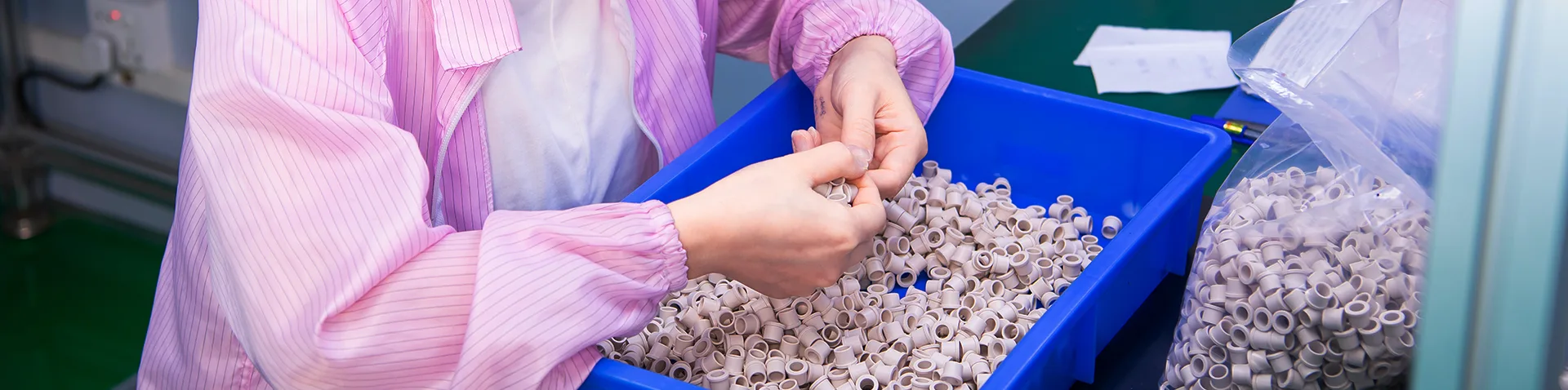
Why Are Automotive Liquid Silicone Rubber Overmolded Terminals Becoming Essential for Modern Vehicle Connectivity?
As vehicles become increasingly electrified, connected, and intelligent, the reliability of every electrical connection becomes more critical than ever. Automotive Liquid Silicone Rubber (LSR) Overmolded Terminals are engineered to protect electrical terminals from moisture, dust, vibration, chemicals, and extreme temperatures while maintaining long-term electrical performance.
This article explores the working principles, advantages, manufacturing processes, applications, material selection criteria, quality considerations, and future trends of automotive liquid silicone rubber overmolded terminals. Whether you are an automotive engineer, purchasing manager, product designer, or OEM supplier, this guide provides practical insights to help you make informed decisions.
Table of Contents
- 1. What Is an Automotive Liquid Silicone Rubber Overmolded Terminal?
- 2. Why Is Overmolding Important in Automotive Applications?
- 3. What Advantages Does Liquid Silicone Rubber Offer?
- 4. How Are LSR Overmolded Terminals Manufactured?
- 5. Where Are Automotive Overmolded Terminals Used?
- 6. How Does LSR Compare with Other Overmolding Materials?
- 7. What Should Buyers Consider When Selecting Suppliers?
- 8. How Is Quality and Reliability Verified?
- 9. What Trends Are Driving Future Demand?
- 10. Frequently Asked Questions
- 11. Conclusion
1. What Is an Automotive Liquid Silicone Rubber Overmolded Terminal?
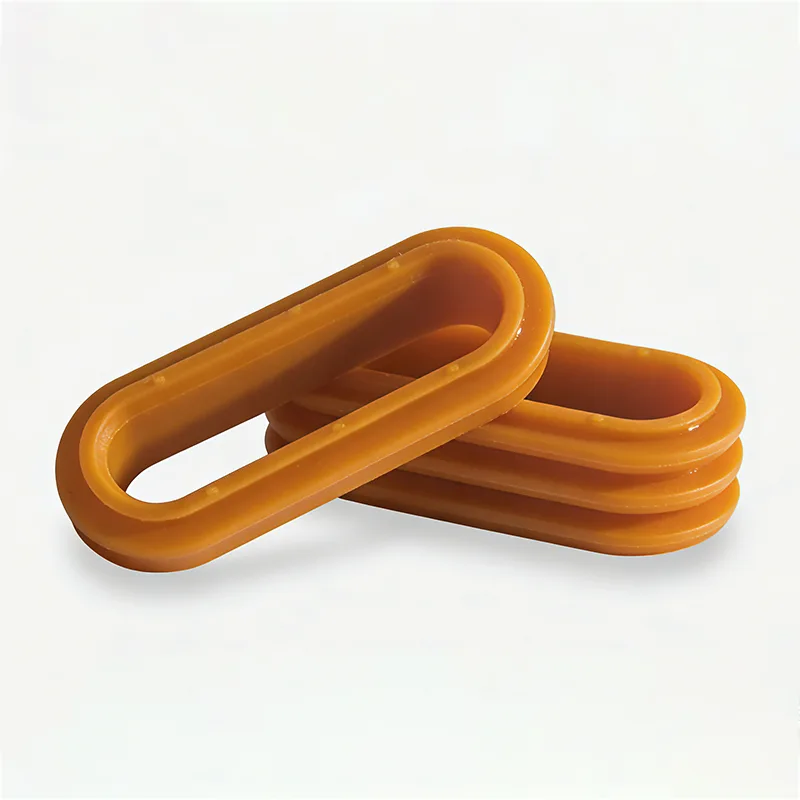
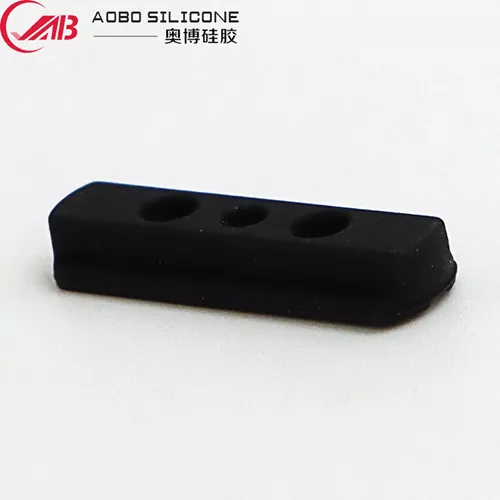
An Automotive Liquid Silicone Rubber Overmolded Terminal is an electrical terminal assembly in which a metal terminal or conductor is encapsulated or partially covered with liquid silicone rubber through a precision molding process.
The silicone layer acts as a protective barrier that enhances sealing, insulation, vibration resistance, and environmental protection. These assemblies are widely used in automotive electrical systems where dependable signal and power transmission are required under demanding operating conditions.
A typical structure includes:
- Metal terminal or contact
- Electrical conductor or wire
- Liquid silicone rubber overmold
- Sealing interface
- Connector integration features
The combination of conductive metal and flexible silicone creates a highly reliable component capable of operating in harsh automotive environments.
2. Why Is Overmolding Important in Automotive Applications?
Modern vehicles contain thousands of electrical connections. Every connection point represents a potential failure risk if exposed to environmental contaminants or mechanical stress.
Overmolding addresses multiple challenges simultaneously.
| Challenge | Impact | LSR Solution |
|---|---|---|
| Moisture Intrusion | Corrosion | Waterproof Sealing |
| Road Salt Exposure | Oxidation | Chemical Resistance |
| Engine Vibration | Terminal Fatigue | Shock Absorption |
| Temperature Cycling | Material Degradation | Thermal Stability |
| Dust and Debris | Connection Failure | Environmental Protection |
Without proper sealing and protection, terminal failures can lead to intermittent signals, sensor malfunctions, reduced vehicle reliability, and costly repairs.
3. What Advantages Does Liquid Silicone Rubber Offer?
Liquid Silicone Rubber is one of the most advanced elastomer materials used in automotive applications.
Excellent Temperature Resistance
LSR maintains performance across a broad temperature range, commonly from -50°C to over 200°C. This makes it suitable for engine compartments, battery systems, and under-hood applications.
Outstanding Flexibility
Unlike many thermoplastics, silicone remains flexible over time and under extreme conditions, reducing stress concentration around terminals.
Superior Environmental Protection
- Waterproofing
- Dustproofing
- Chemical resistance
- UV resistance
- Ozone resistance
Electrical Insulation
LSR possesses excellent dielectric properties, making it ideal for electrical insulation in high-performance automotive systems.
Long Service Life
Silicone materials resist aging significantly better than many traditional elastomers, contributing to longer product life cycles.
4. How Are LSR Overmolded Terminals Manufactured?
The production process requires precise engineering and specialized molding equipment.
Step 1: Terminal Preparation
- Metal stamping
- Surface cleaning
- Plating treatment
- Dimensional inspection
Step 2: Insert Loading
Prepared terminals are accurately positioned within a precision mold cavity.
Step 3: LSR Injection
Liquid silicone is injected around the terminal under controlled pressure and temperature conditions.
Step 4: Curing Process
The silicone rapidly cures and forms a strong protective structure.
Step 5: Demolding and Inspection
Finished parts undergo visual inspection, dimensional verification, and performance testing.
Step 6: Reliability Validation
Components may undergo automotive qualification testing before shipment.
5. Where Are Automotive Overmolded Terminals Used?
The rapid evolution of automotive electronics has significantly expanded the application range of overmolded terminal technology.
| Application Area | Purpose |
|---|---|
| Engine Sensors | Reliable signal transmission |
| Battery Systems | High-voltage insulation |
| EV Charging Systems | Environmental sealing |
| ADAS Sensors | Stable signal integrity |
| Lighting Systems | Waterproof connections |
| Power Distribution Units | Electrical safety |
| Wire Harness Assemblies | Connector protection |
Electric vehicles are creating particularly strong demand due to increased voltage levels and stricter reliability requirements.
6. How Does LSR Compare with Other Overmolding Materials?
| Property | LSR | TPU | TPE |
|---|---|---|---|
| Temperature Resistance | Excellent | Good | Moderate |
| Chemical Resistance | Excellent | Good | Moderate |
| Weather Resistance | Excellent | Good | Fair |
| Electrical Insulation | Excellent | Good | Good |
| Long-Term Durability | Excellent | Good | Moderate |
Although material selection depends on project requirements, LSR is often preferred for demanding automotive environments where long-term reliability is critical.
7. What Should Buyers Consider When Selecting Suppliers?
Selecting the right manufacturing partner directly influences product performance and project success.
Engineering Capability
- Design support
- DFM analysis
- Rapid prototyping
- Custom tooling expertise
Material Knowledge
- Automotive-grade silicone selection
- Flame-retardant options
- High-voltage insulation expertise
Manufacturing Quality
- Precision molding equipment
- Automated production systems
- Traceability management
- Process control systems
Testing Capability
- Temperature cycling
- Salt spray testing
- Waterproof testing
- Electrical verification
8. How Is Quality and Reliability Verified?
Automotive components must meet stringent performance standards before entering production.
| Test Type | Purpose |
|---|---|
| Thermal Cycling | Temperature durability verification |
| Salt Spray Test | Corrosion resistance evaluation |
| Water Ingress Test | Sealing performance validation |
| Vibration Test | Mechanical stability assessment |
| Dielectric Test | Electrical insulation verification |
| Pull Force Test | Mechanical retention strength |
Comprehensive testing ensures that components can withstand years of operation under real-world automotive conditions.
9. What Trends Are Driving Future Demand?
Several industry developments are accelerating demand for advanced overmolded terminal solutions.
- Electric vehicle expansion
- Autonomous driving systems
- Advanced driver assistance systems
- Vehicle electrification
- Higher power density electronics
- Smart sensor integration
- Lightweight vehicle design
As vehicles become more connected and software-driven, electrical reliability becomes increasingly important, making silicone overmolding technology a strategic solution for future mobility platforms.
10. Frequently Asked Questions
Q1: What is the primary purpose of LSR overmolding?
The primary purpose is to protect electrical terminals from moisture, dust, chemicals, vibration, and temperature extremes while improving insulation and reliability.
Q2: Are LSR overmolded terminals suitable for electric vehicles?
Yes. They are widely used in EV battery systems, charging connectors, high-voltage harnesses, and power distribution units due to their insulation and sealing capabilities.
Q3: Can custom shapes and designs be produced?
Absolutely. LSR injection molding allows highly customized geometries tailored to specific connector and terminal requirements.
Q4: How long do silicone overmolded terminals typically last?
When properly designed and manufactured, they can maintain performance throughout the expected service life of modern vehicles.
Q5: Is LSR environmentally resistant?
Yes. LSR demonstrates strong resistance to UV exposure, ozone, moisture, chemicals, and weathering.
Q6: What industries besides automotive use LSR overmolded terminals?
Industrial automation, aerospace, renewable energy, telecommunications, and medical device sectors also utilize similar technologies.
11. Conclusion
Automotive Liquid Silicone Rubber Overmolded Terminals have become an essential component in modern vehicle electrical systems. By combining robust metal conductors with high-performance silicone protection, these assemblies deliver exceptional reliability, environmental resistance, electrical insulation, and long-term durability.
As electric vehicles, intelligent transportation systems, and advanced automotive electronics continue to evolve, demand for high-quality overmolded terminal solutions is expected to grow rapidly. Manufacturers and OEMs seeking dependable connectivity solutions should prioritize suppliers with strong engineering expertise, advanced molding capabilities, and rigorous quality control systems.
Contact Us
Looking for a reliable partner for custom Automotive Liquid Silicone Rubber Overmolded Terminals, precision silicone molding, insert molding, or automotive sealing solutions?
Aobo (Dongguan) Precision Silicone Rubber Products Co., Ltd. specializes in high-precision silicone rubber manufacturing for automotive, electronics, industrial, and advanced connectivity applications.
Whether you need prototype development, custom tooling, low-volume production, or large-scale manufacturing support, our experienced engineering team is ready to help transform your concept into a reliable production solution.
Contact us today to discuss your project requirements and discover how our silicone overmolding expertise can support your next automotive innovation.
Related News
- Why Do X-Rings Offer Better Sealing Performance Than O-Rings?
- What International Standards Apply to X-Rings? A Detailed Explanation of Common Dimensional Standard Systems
- 2026 Silicone Plate Recommendations: A Guide to Avoiding Pitfalls in Non-Slip Silicone Plate Selection
- Avoid the Low-Price Trap: Your Complete Guide to Sourcing O-Shaped Silicone Seal Rings
- What is a Silicone Connector? A Full Guide to Its Uses, Materials and Selection
- What Are Silicone Vape Accessories? A Complete Guide to Food-Grade Silicone Smoking Accessories
Leave me a message