Why Is Medical Silicone Tube Essential for Modern Healthcare Applications?
Medical silicone tube products are widely used in hospitals, laboratories, pharmaceutical manufacturing, biotechnology, and medical device systems. Their exceptional biocompatibility, temperature resistance, flexibility, and chemical stability make them a preferred choice for critical healthcare applications. This article explores the advantages, manufacturing standards, applications, selection criteria, sterilization methods, maintenance practices, and future innovations related to medical silicone tubing. Whether you are a medical equipment manufacturer, distributor, or healthcare professional, understanding the right silicone tubing solution can significantly improve operational reliability and patient safety.
Table of Contents
- 1. Introduction to Medical Silicone Tube
- 2. Key Properties of Medical Silicone Tubing
- 3. Common Medical Applications
- 4. Advantages Over Other Materials
- 5. Manufacturing Process Explained
- 6. Industry Standards and Certifications
- 7. How to Choose the Right Silicone Tube
- 8. Sterilization Compatibility
- 9. Storage and Maintenance Tips
- 10. Future Trends in Medical Silicone Tubing
- 11. Frequently Asked Questions
- 12. Conclusion
1. Introduction to Medical Silicone Tube
Medical silicone tube products play a crucial role in healthcare systems around the world. These flexible tubes are engineered from high-purity silicone materials specifically designed for medical and pharmaceutical environments. Unlike ordinary industrial tubing, medical-grade silicone tubes must meet strict standards for safety, cleanliness, and biological compatibility.
Hospitals and medical device manufacturers rely on silicone tubing for applications involving fluid transfer, drainage systems, respiratory equipment, catheters, feeding systems, laboratory testing devices, and pharmaceutical processing. Their soft texture and resistance to contamination make them ideal for sensitive patient-contact environments.
Main Characteristics Include:
- Excellent flexibility and elasticity
- Non-toxic and odorless composition
- Resistance to extreme temperatures
- Superior transparency for fluid monitoring
- Long operational lifespan
- Compatibility with sterilization processes
2. Key Properties of Medical Silicone Tubing
One reason medical silicone tubes dominate healthcare applications is their outstanding physical and chemical properties. These characteristics ensure safe performance in demanding clinical conditions.
| Property | Benefits |
|---|---|
| Biocompatibility | Safe for direct or indirect human contact |
| Temperature Resistance | Works effectively in both high and low temperatures |
| Chemical Stability | Resists reactions with medications and fluids |
| Transparency | Allows visual monitoring of fluid movement |
| Flexibility | Prevents kinks and improves usability |
| Durability | Long-term performance under repeated use |
Medical-grade silicone maintains its integrity even after repeated sterilization cycles. This makes it highly suitable for reusable medical devices and laboratory systems.
3. Common Medical Applications
Medical silicone tubing is used across a broad range of healthcare and industrial medical sectors.
Respiratory Systems
Used in ventilators, oxygen delivery systems, and breathing apparatus because of flexibility and purity.
Peristaltic Pumps
Ideal for fluid transfer due to resistance to compression fatigue and smooth inner surfaces.
Catheter Systems
Soft silicone reduces irritation and improves patient comfort during long-term use.
Laboratory Equipment
Frequently applied in analytical systems, testing devices, and pharmaceutical processing lines.
Modern biotechnology facilities also depend heavily on silicone tubing for sterile fluid transfer processes. Because silicone does not easily release contaminants, it helps maintain product purity in sensitive pharmaceutical operations.
4. Advantages Over Other Materials
Medical silicone tubing often outperforms PVC, rubber, and thermoplastic tubing in healthcare applications.
| Material | Advantages | Limitations |
|---|---|---|
| Silicone | Flexible, biocompatible, durable | Higher initial cost |
| PVC | Affordable | Lower heat resistance |
| Rubber | Good elasticity | Can degrade over time |
| Thermoplastics | Easy processing | Less flexible at temperature extremes |
Although silicone tubing may involve a higher upfront investment, its longevity and reliability often reduce replacement costs and downtime in the long run.
5. Manufacturing Process Explained
Producing high-quality medical silicone tubing requires strict manufacturing control and precision engineering.
- Raw Material Selection: High-purity silicone compounds are selected for medical compliance.
- Extrusion Process: Silicone material is shaped into tubing through precision extrusion equipment.
- Curing: Heat curing strengthens the tube structure and stabilizes properties.
- Post-Curing: Additional heating removes volatile substances and improves purity.
- Inspection: Tubes undergo dimensional, visual, and performance testing.
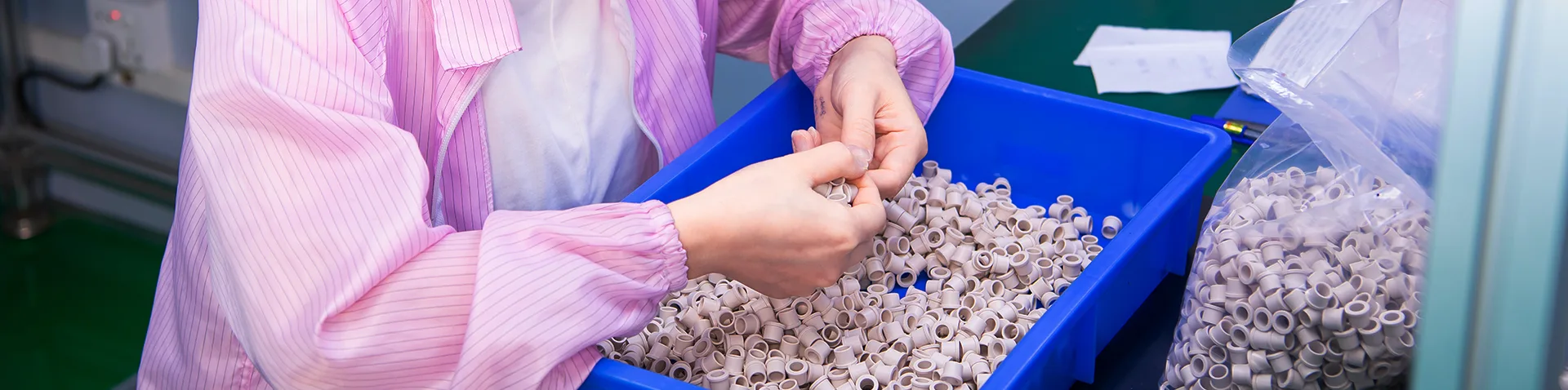
- Packaging: Cleanroom packaging protects products from contamination.
Leading manufacturers such as Aobo (Dongguan) Precision Silicone Rubber Products Co., Ltd. invest heavily in advanced production technologies to ensure consistent product quality and medical compliance.
6. Industry Standards and Certifications
Medical silicone tubing manufacturers must comply with international healthcare standards to ensure patient safety and regulatory acceptance.
- USP Class VI Testing
- ISO 10993 Biocompatibility Standards
- FDA Compliance Requirements
- RoHS and REACH Environmental Compliance
- Cleanroom Manufacturing Standards
These standards help ensure that silicone tubing products are suitable for sensitive medical environments and pharmaceutical applications.
7. How to Choose the Right Silicone Tube
Choosing the correct medical silicone tube requires careful evaluation of application requirements.
| Selection Factor | Importance |
|---|---|
| Inner and Outer Diameter | Determines flow rate and compatibility |
| Wall Thickness | Affects pressure resistance |
| Temperature Range | Ensures operational stability |
| Transparency | Improves fluid monitoring |
| Sterilization Compatibility | Supports medical hygiene protocols |
Custom silicone tubing solutions are also available for specialized devices and pharmaceutical systems requiring unique dimensions or performance characteristics.
8. Sterilization Compatibility
Sterilization is essential in healthcare environments. Medical silicone tubing supports several sterilization methods without significant material degradation.
Autoclave Sterilization
Excellent resistance to high-temperature steam cycles.
Ethylene Oxide (ETO)
Suitable for heat-sensitive medical equipment.
Gamma Radiation
Used in pre-packaged sterile medical products.
Proper sterilization compatibility reduces contamination risks and extends the operational life of tubing systems.
9. Storage and Maintenance Tips
Even durable silicone tubing requires proper handling to maintain quality and safety.
- Store tubing away from direct sunlight
- Avoid excessive mechanical stress
- Keep products in clean, dry environments
- Inspect regularly for cracks or discoloration
- Follow manufacturer replacement recommendations
Proper maintenance helps maximize tubing lifespan while ensuring reliable healthcare performance.
10. Future Trends in Medical Silicone Tubing
The global healthcare industry continues to drive innovation in silicone tubing technology.
Emerging Trends Include:
- Antimicrobial silicone tubing materials
- Enhanced transparency for fluid monitoring
- Improved kink resistance designs
- Smart tubing integrated with sensors
- Sustainable manufacturing technologies
As healthcare technology advances, medical silicone tubing will continue evolving to support increasingly sophisticated medical devices and patient care systems.
11. Frequently Asked Questions
Q1: What makes medical silicone tubing different from industrial tubing?
Medical silicone tubing is manufactured using high-purity materials and must comply with strict healthcare safety standards.
Q2: Can medical silicone tubing withstand repeated sterilization?
Yes. Medical-grade silicone is highly resistant to autoclaving, ETO sterilization, and gamma radiation.
Q3: Is silicone tubing safe for pharmaceutical applications?
High-quality medical silicone tubing is widely used in pharmaceutical processing because of its purity and chemical resistance.
Q4: How long does medical silicone tubing last?
Lifespan depends on application conditions, sterilization frequency, and maintenance practices, but silicone tubing generally offers excellent durability.
Q5: Can silicone tubing be customized?
Yes. Manufacturers can provide customized dimensions, hardness levels, colors, and performance specifications.
12. Conclusion
Medical silicone tube solutions have become indispensable in modern healthcare systems because of their exceptional flexibility, safety, durability, and resistance to demanding medical environments. From respiratory devices to pharmaceutical fluid transfer systems, silicone tubing helps ensure reliable performance and patient protection.
Businesses looking for dependable medical silicone tubing suppliers should prioritize manufacturing quality, compliance certifications, customization capabilities, and long-term technical support.
Aobo (Dongguan) Precision Silicone Rubber Products Co., Ltd. specializes in precision silicone manufacturing for healthcare, medical device, and industrial applications. Our team provides customized silicone tubing solutions designed for performance, safety, and reliability.
Contact us today to discuss your medical silicone tubing requirements and discover tailored solutions for your business.
Related News
- Why Do X-Rings Offer Better Sealing Performance Than O-Rings?
- What International Standards Apply to X-Rings? A Detailed Explanation of Common Dimensional Standard Systems
- 2026 Silicone Plate Recommendations: A Guide to Avoiding Pitfalls in Non-Slip Silicone Plate Selection
- Avoid the Low-Price Trap: Your Complete Guide to Sourcing O-Shaped Silicone Seal Rings
- What is a Silicone Connector? A Full Guide to Its Uses, Materials and Selection
- What Are Silicone Vape Accessories? A Complete Guide to Food-Grade Silicone Smoking Accessories
Leave me a message