
What International Standards Apply to X-Rings? A Detailed Explanation of Common Dimensional Standard Systems
In dynamic sealing scenarios such as hydraulic and pneumatic systems, construction machinery and machine tool equipment, X-rings (also called quad rings) are gradually replacing traditional O-rings for practical application, thanks to the advantages of their four-lip structure: low friction, rolling resistance and stable sealing performance. During the selection process, clarifying the corresponding dimensional standard system is a core prerequisite to guarantee sealing compatibility and long-term reliability.
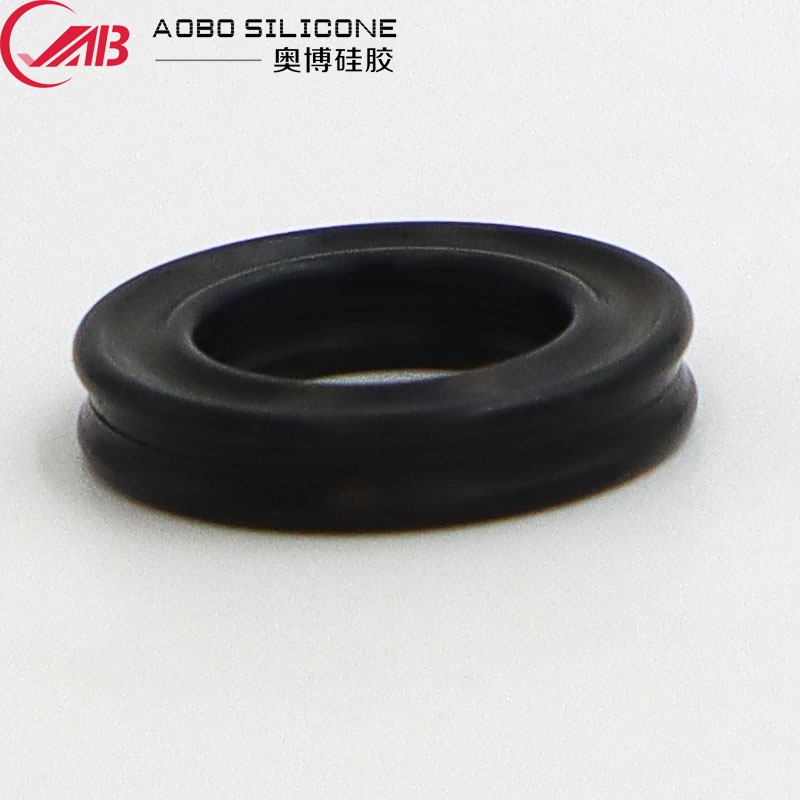
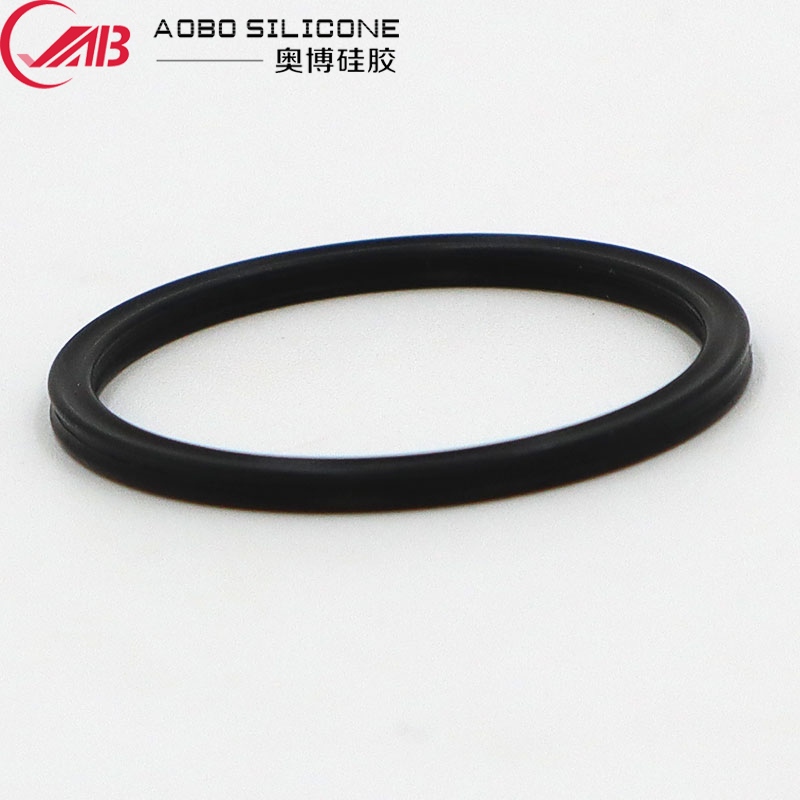
Currently, there is no independent national standard specifically for X-rings in China. In the industry, it is common practice to reference the dimensional system specified in GB/T 3452.1 Hydraulic fluid power — O-rings — Part 1: Dimensional series and tolerances, and make adaptations in combination with the structural design specifications for reciprocating seals in the GB/T 10708 series. Since X-rings feature a cross-shaped cross-section, their core dimensions including inner diameter and cross-section diameter are interchangeable with O-rings of the same specification. Only parameters such as compression ratio and groove width in groove design need to be adjusted separately based on the characteristics of the four-lip structure.
The most widely applied system worldwide is the US standard AS568A. X-ring dimensions from the vast majority of seal manufacturers strictly match the O-ring dimensional sequence of this standard, allowing product selection directly via AS568 specification codes. In addition, the ISO 3601 international metric standard is also adopted by major global manufacturers, making it suitable for matching export equipment and European hydraulic systems. For supporting Japanese equipment, dimensions corresponding to the JIS B2401 standard are mostly referenced.
| Standard Code | Full Standard Name | Main Application Region | Base Unit | X-Ring Adaptation Rule |
|---|---|---|---|---|
| GB/T 3452.1 | Hydraulic fluid power — O-rings — Part 1: Dimensional series and tolerances | Mainland China | Metric (mm) | No dedicated X-ring national standard; inner diameter & cross-section diameter reference equivalent O-ring dimensions |
| AS568A | Aerospace Standard 568A O-Ring Sizes | North America, global general use | Imperial (inch) | Most manufacturers match X-ring dimensions to this standard; selectable by specification code directly |
| ISO 3601 | Fluid power systems — O-rings — Part 1: Inside diameters, cross-sections, tolerances | Global, European hydraulic systems | Metric (mm) | Universal metric standard; widely adopted for export equipment and European machinery |
| JIS B2401 | O-rings for general industrial use | Japan, Japanese equipment supporting | Metric (mm) | Referenced for matching X-rings on Japanese-made hydraulic and pneumatic components |
Clearly grasping the system differences among X-ring standards can effectively avoid selection mismatches and greatly improve the cross-brand interchangeability of seals. The core differences between various standards lie in dimensional units, tolerance grades and specification sequences. The US standard uses inches as the basic unit, while ISO and Chinese national standards adopt metric millimeters. Unit conversion should be noted during selection to prevent sealing failure caused by dimensional deviation. Reasonably matching X-ring standards with actual working conditions is the key to reducing equipment maintenance costs and extending seal service life.
| AS568 Code | Inner Diameter (inch / mm) | Cross-Section Diameter (inch / mm) | Compatibility Note |
|---|---|---|---|
| AS568-012 | 0.364 / 9.25 | 0.070 / 1.78 | Interchangeable with GB/T / ISO equivalent sizes |
| AS568-120 | 1.237 / 31.42 | 0.103 / 2.62 | Interchangeable with GB/T / ISO equivalent sizes |
| AS568-230 | 2.875 / 73.02 | 0.139 / 3.53 | Interchangeable with GB/T / ISO equivalent sizes |
| AS568-345 | 5.237 / 133.02 | 0.210 / 5.33 | Interchangeable with GB/T / ISO equivalent sizes |
| AS568-455 | 8.475 / 215.27 | 0.275 / 6.99 | Interchangeable with GB/T / ISO equivalent sizes |
If you need a complete dimensional comparison table for relevant standards, groove design parameters, or tailored selection advice for hydraulic reciprocating conditions, contact us for professional technical support. We provide customized full-specification sealing solutions based on your requirements.
Related News
- Why Do X-Rings Offer Better Sealing Performance Than O-Rings?
- 2026 Silicone Plate Recommendations: A Guide to Avoiding Pitfalls in Non-Slip Silicone Plate Selection
- Avoid the Low-Price Trap: Your Complete Guide to Sourcing O-Shaped Silicone Seal Rings
- What is a Silicone Connector? A Full Guide to Its Uses, Materials and Selection
- What Are Silicone Vape Accessories? A Complete Guide to Food-Grade Silicone Smoking Accessories
- Can Silicone Electronic Accessories Withstand High Temperatures? Introduction to Flame-Retardant and Insulating Electronic Silicone Accessories
Leave me a message