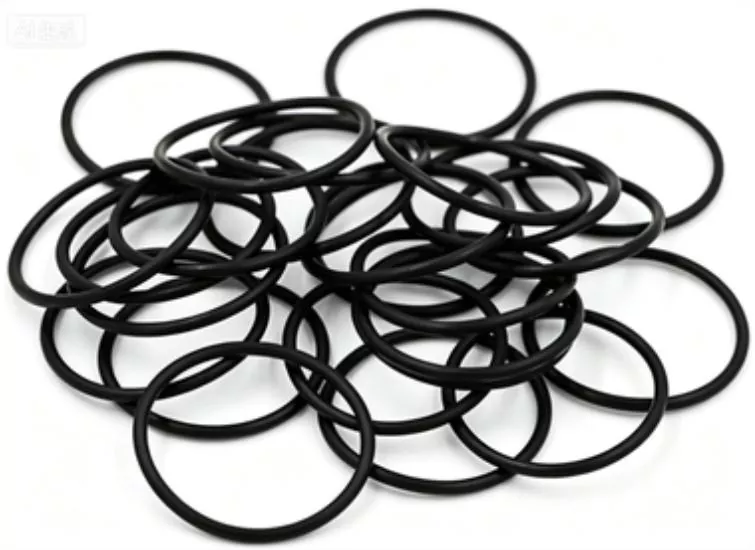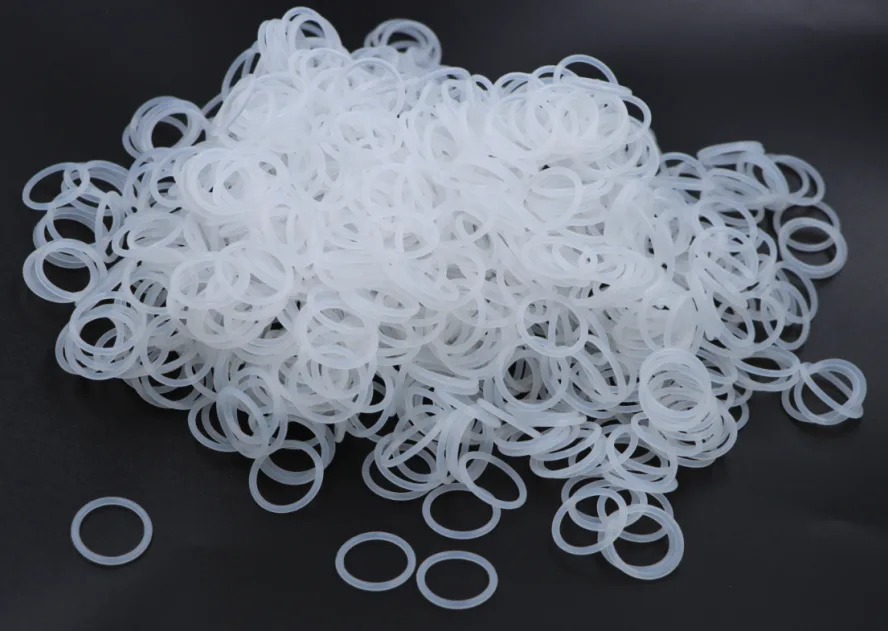
Why Silicone Sealing Rings Fail Prematurely: An In-Depth Analysis from a China Silicone Manufacturer
Over 23 years in silicone manufacturing, most early seal leakage stems not from product defects, but poor material & size selection in the design stage. Many buyers only focus on food-grade certifications and cost, ignoring key factors: temperature, media resistance, pressure and installation, causing early failure, downtime and higher upkeep costs.
|
Advantage Category |
Key Details |
|
Raw Materials & Compliance |
Made of food-grade fumed silicone raw materials, certified by FDA, LFGB and ROHS, meeting contact safety requirements for food, medical, drinking water and other scenarios |
|
Working Condition Adaptability |
Custom formulations available for oil resistance, acid & alkali resistance, high and low temperature resistance, etc. Rejects "one-size-fits-all" solutions and prevents early failures such as swelling and elasticity loss from the source |
|
Machining Precision |
With over 20 years of process accumulation, the dimensional tolerance can be stably controlled within ±0.05mm. High product consistency and excellent sealing fit eliminate hidden risks of micro-leakage |
|
Durability Performance |
Excellent compression set resistance and long-lasting resilience. Under properly matched working conditions, its service life is significantly longer than ordinary universal seals |
|
Quality Control Assurance |
Produced in Class 100,000 clean rooms, with multi-point random inspection throughout the whole process. Stable batch performance and traceable product quality |
|
Technical Support |
Provides free working condition assessment and selection guidance, helps customers avoid selection mistakes, reduces equipment downtime frequency and comprehensive maintenance costs |
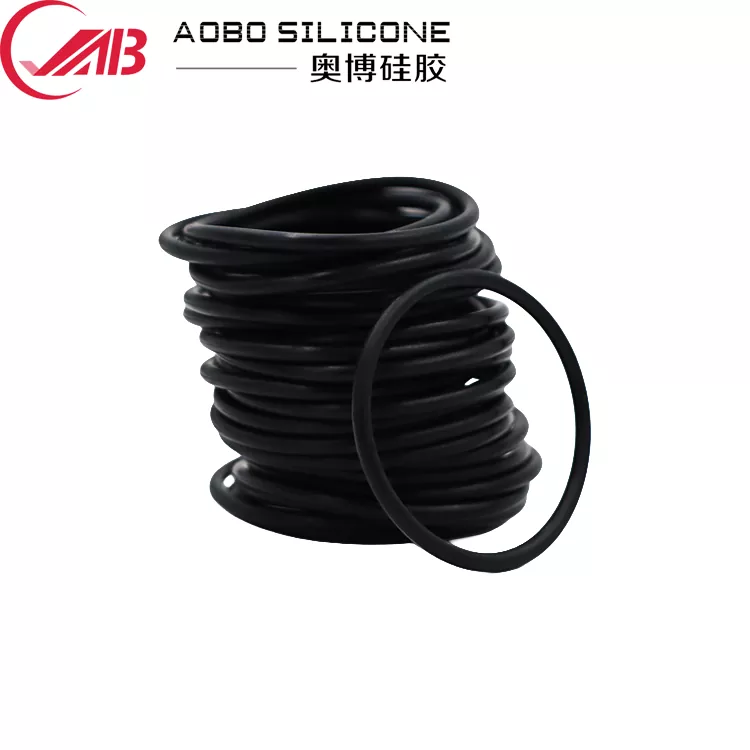
1. Using One Material for All Applications
One of the most common mistakes is attempting to standardize sealing materials across all equipment. To simplify procurement and reduce inventory complexity, some companies choose a single type of silicone seal for every application.
However, standard silicone compounds have limitations in chemical resistance. When exposed for extended periods to mineral oils, lubricants, or certain acidic and alkaline media, the material may swell, soften, and develop permanent deformation. As compression set increases, sealing performance gradually deteriorates, often leading to leakage within just a few months.
Selecting the right silicone formulation for the specific operating environment is essential for long-term sealing reliability.
2. Choosing Hardness Based on Assumptions
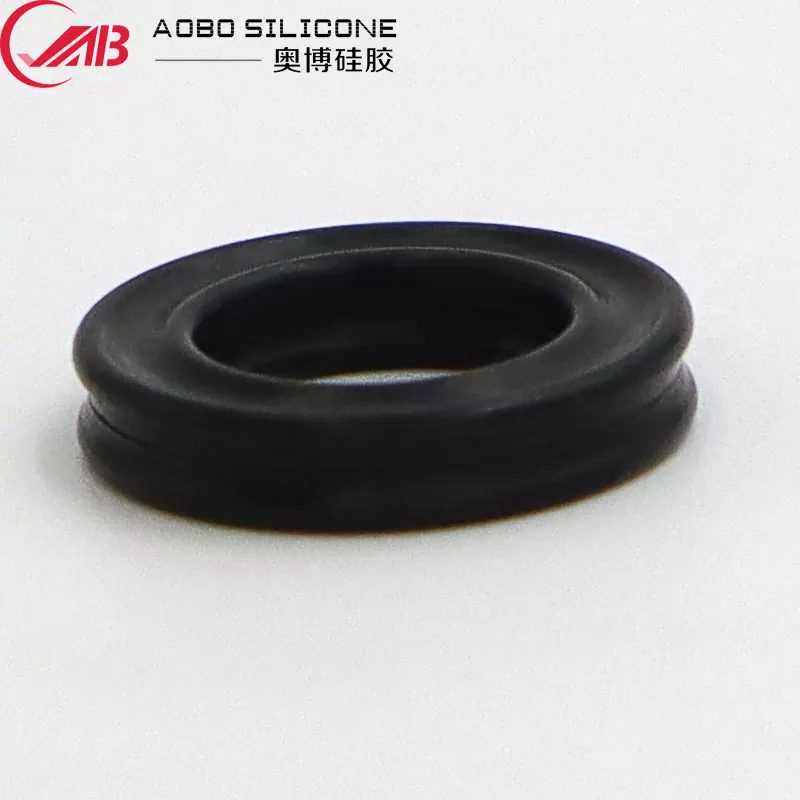
Many users assume that softer silicone always provides better sealing performance. In reality, hardness must be matched to the operating pressure.
In high-pressure applications, low-hardness silicone can be extruded into clearance gaps, resulting in tearing, cutting, or premature failure. Conversely, excessively hard materials used in low-pressure systems may not generate sufficient sealing force, causing immediate leakage after installation.
An incorrect hardness selection can either shorten service life or compromise sealing effectiveness, making the initial cost savings meaningless.
3. Improper Groove Design and Compression Control
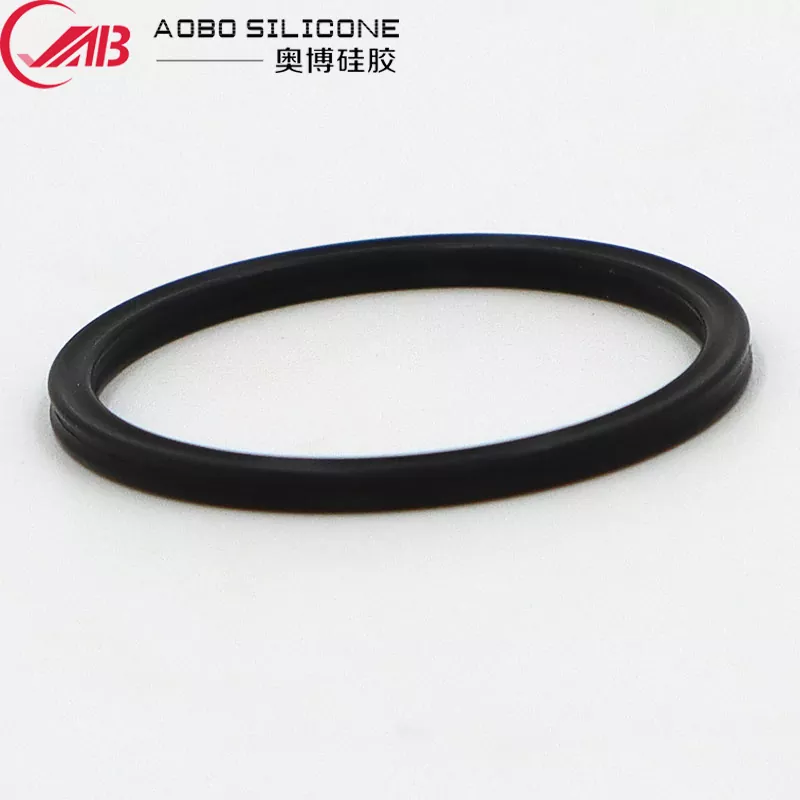
The performance of a silicone sealing ring depends not only on the material itself but also on the design of the sealing groove.
Groove dimensions, tolerance control, and surface finish directly affect the compression ratio of the seal. Excessive compression places the material under continuous stress, accelerating aging and reducing service life. Insufficient compression, on the other hand, prevents the seal from creating adequate contact pressure, resulting in leakage.
Many sealing failures can be traced back to non-standard groove machining or inaccurate mold dimensions rather than the sealing ring itself.
4. Ignoring Temperature Cycling and Installation Details
Another common issue is evaluating seal performance only under room-temperature conditions.
In outdoor equipment, sterilization systems, food processing lines, and industrial machinery, silicone seals often experience repeated temperature fluctuations. Continuous thermal cycling accelerates molecular degradation and material aging compared with stable-temperature environments.
Installation practices also play a critical role. Forcing a seal into position without proper guiding tools can damage sealing lips or create micro-cuts that may not be visible initially. Over time, these damaged areas become the starting point for cracks and leakage.
The Key to Long-Term Sealing Performance
Successful sealing is not about choosing the most expensive silicone sealing ring—it is about selecting the right material, hardness, dimensions, and design for the actual operating conditions.
By properly matching the seal to its application and following correct installation procedures, equipment manufacturers can significantly extend service life, reduce maintenance costs, and improve operational reliability.
Partner with a Trusted Silicone Sealing Ring Manufacturer
If you are looking for high-quality custom silicone sealing rings for automotive, medical, industrial, or food-grade applications, our engineering team is ready to help.
As a China-based silicone rubber manufacturer with 23 years of industry experience, Aobo Silicone specializes in precision-molded silicone and rubber components.
Related News
- Why Do X-Rings Offer Better Sealing Performance Than O-Rings?
- What International Standards Apply to X-Rings? A Detailed Explanation of Common Dimensional Standard Systems
- 2026 Silicone Plate Recommendations: A Guide to Avoiding Pitfalls in Non-Slip Silicone Plate Selection
- Avoid the Low-Price Trap: Your Complete Guide to Sourcing O-Shaped Silicone Seal Rings
- What is a Silicone Connector? A Full Guide to Its Uses, Materials and Selection
- What Are Silicone Vape Accessories? A Complete Guide to Food-Grade Silicone Smoking Accessories
Leave me a message