Why Is Liquid Silicone Rubber Plastic Parts Overmolding Essential for Modern Product Manufacturing?
Liquid Silicone Rubber Plastic Parts Overmolding has become one of the most valuable manufacturing technologies for companies seeking stronger, safer, and more user-friendly products. By combining liquid silicone rubber (LSR) with rigid plastic substrates, manufacturers can create components that deliver superior grip, waterproof sealing, vibration resistance, chemical stability, and long service life.
This article explains how the process works, why it matters, what industries benefit the most, common challenges buyers face, and how to select the right manufacturing partner. Whether you are developing medical devices, automotive components, wearable electronics, or industrial products, understanding LSR overmolding can help reduce production risks while improving product performance.
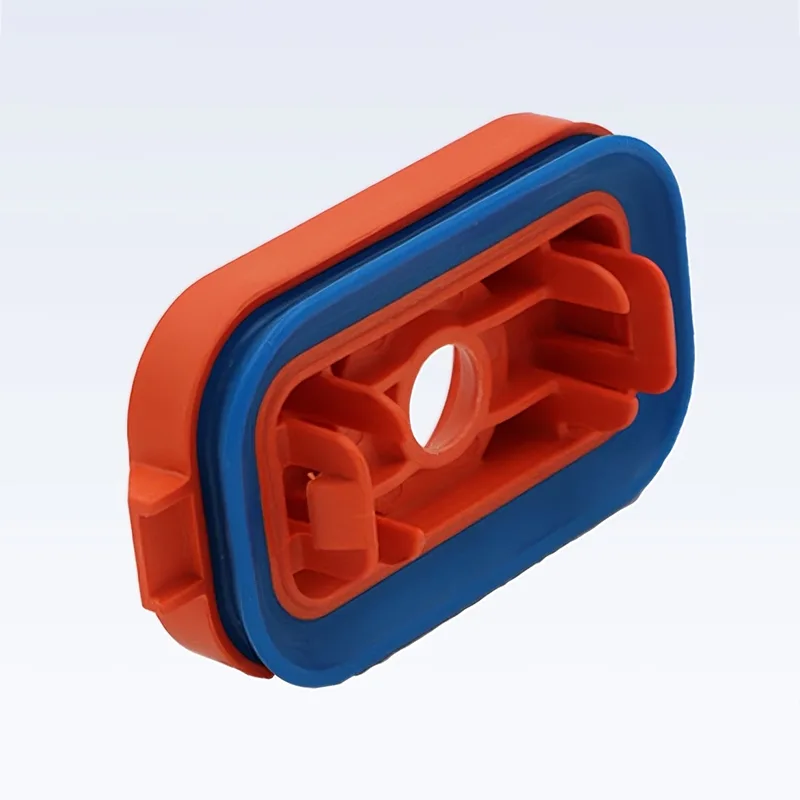
Table of Contents
- 1. What Is Liquid Silicone Rubber Plastic Parts Overmolding?
- 2. How Does the Overmolding Process Work?
- 3. Why Is LSR Overmolding Better Than Traditional Assembly?
- 4. Which Materials Are Commonly Used?
- 5. What Industries Use LSR Plastic Overmolding?
- 6. Why Is It Important for Medical Devices?
- 7. How Does It Improve Automotive Components?
- 8. What Benefits Does It Bring to Consumer Electronics?
- 9. What Problems Do Buyers Commonly Face?
- 10. How Can Manufacturers Ensure Product Quality?
- 11. What Design Factors Should Be Considered?
- 12. LSR Overmolding vs Traditional Bonding Methods
- 13. What Is the Future of LSR Overmolding?
- 14. Frequently Asked Questions
- 15. Conclusion
1. What Is Liquid Silicone Rubber Plastic Parts Overmolding?
Liquid Silicone Rubber Plastic Parts Overmolding is a manufacturing process where liquid silicone rubber is molded directly onto rigid plastic components. The goal is to combine the flexibility and sealing performance of silicone with the structural strength of plastic.
Instead of assembling multiple parts with adhesives, screws, or gaskets, overmolding integrates them into a single high-performance component. This reduces assembly steps while improving product consistency.
Key Benefits Include:
- Improved waterproof sealing
- Enhanced ergonomic grip
- Shock and vibration absorption
- Better chemical resistance
- Reduced assembly costs
- Cleaner product appearance
- Longer product lifespan
2. How Does the Overmolding Process Work?
The process generally begins with injection molding a plastic substrate. After the plastic component is formed, it is placed into a second mold where liquid silicone rubber is injected over specific areas.
During curing, the silicone bonds tightly to the plastic surface. The final product becomes a single integrated part with both rigid and flexible properties.
| Process Step | Description |
|---|---|
| Plastic Injection Molding | Create the rigid base component |
| Surface Preparation | Improve bonding compatibility |
| LSR Injection | Inject silicone onto the plastic substrate |
| Thermal Curing | Solidify and bond silicone material |
| Inspection & Testing | Verify sealing, adhesion, and dimensions |
3. Why Is LSR Overmolding Better Than Traditional Assembly?
Traditional assembly methods often rely on adhesives, separate rubber seals, screws, or manual installation processes. These methods may increase production complexity and create weak points where failures occur.
LSR overmolding eliminates many of these issues by integrating multiple functions into a single molded structure.
Better Durability
The bond between silicone and plastic resists wear, temperature changes, and repeated handling.
Enhanced User Comfort
Soft-touch silicone surfaces improve grip and ergonomics in handheld devices.
Reduced Water Leakage
Integrated seals improve waterproof and dustproof performance.
Lower Production Cost
Fewer assembly steps reduce labor costs and production errors.
4. Which Materials Are Commonly Used?
Successful overmolding depends heavily on material compatibility. Manufacturers carefully select plastics and silicone grades to ensure strong adhesion and stable performance.
| Material | Advantages | Common Applications |
|---|---|---|
| PC (Polycarbonate) | High strength and transparency | Medical devices, electronics |
| PA (Nylon) | Excellent wear resistance | Automotive components |
| ABS | Good impact resistance | Consumer products |
| PBT | Electrical insulation performance | Electrical connectors |
5. What Industries Use LSR Plastic Overmolding?
The flexibility and durability of LSR overmolding make it suitable for a wide variety of industries.
- Medical and healthcare
- Automotive manufacturing
- Consumer electronics
- Wearable technology
- Industrial machinery
- Smart home products
- Kitchen appliances
- Telecommunication devices
- Baby care products
6. Why Is It Important for Medical Devices?
Medical manufacturers require materials that are safe, hygienic, flexible, and durable. Liquid silicone rubber is biocompatible and resistant to sterilization processes, making it ideal for healthcare applications.
Overmolding also reduces gaps and assembly seams where bacteria may accumulate.
Typical Medical Applications:
- Surgical instrument handles
- Respiratory masks
- Medical tubing connectors
- Portable diagnostic equipment
- Wearable health monitoring devices
7. How Does It Improve Automotive Components?
Automotive environments involve vibration, oil exposure, UV radiation, and temperature fluctuations. LSR overmolding helps components survive these demanding conditions.
Silicone provides flexibility and sealing performance while plastic maintains structural integrity.
| Automotive Part | Performance Benefit |
|---|---|
| Sensor Seals | Waterproof protection |
| Control Buttons | Soft-touch operation |
| Cable Connectors | Dust and vibration resistance |
| Lighting Components | Heat and UV resistance |
8. What Benefits Does It Bring to Consumer Electronics?
Modern electronic devices require lightweight designs, waterproof capabilities, and attractive appearances. LSR overmolding addresses all these requirements simultaneously.
For smartphones, smartwatches, earphones, and wearable devices, silicone overmolding improves both product aesthetics and user experience.
Waterproofing
Integrated silicone seals help devices achieve higher water resistance ratings.
Shock Protection
Soft silicone absorbs impacts and protects internal electronics.
Premium Feel
Silicone surfaces create a comfortable and modern tactile experience.
9. What Problems Do Buyers Commonly Face?
Many buyers encounter manufacturing challenges when sourcing LSR overmolded products.
- Poor adhesion between silicone and plastic
- Inconsistent product dimensions
- Flash defects around silicone edges
- High tooling costs
- Material compatibility problems
- Color inconsistency
- Long development cycles
- Insufficient waterproof performance
These issues often result from inadequate mold design, poor material selection, or lack of technical experience.
10. How Can Manufacturers Ensure Product Quality?
High-quality overmolding requires precision engineering and strict process control.
- Use automated injection molding systems
- Perform adhesion testing
- Conduct waterproof validation
- Monitor curing temperatures carefully
- Use high-purity silicone materials
- Optimize mold venting systems
- Implement dimensional inspections
- Perform environmental aging tests
Reliable manufacturers also provide rapid prototyping and engineering support to minimize product development risks.
11. What Design Factors Should Be Considered?
Product design strongly influences the success of LSR overmolding.
Engineers must consider bonding areas, undercuts, material shrinkage, wall thickness, venting, and mold flow characteristics.
| Design Factor | Importance |
|---|---|
| Wall Thickness | Prevents warping and uneven curing |
| Surface Texture | Improves silicone adhesion |
| Draft Angles | Facilitates mold release |
| Seal Geometry | Enhances waterproof capability |
12. LSR Overmolding vs Traditional Bonding Methods
| Feature | LSR Overmolding | Traditional Assembly |
|---|---|---|
| Durability | Excellent | Moderate |
| Waterproofing | Integrated sealing | Separate gasket needed |
| Appearance | Seamless design | Visible assembly lines |
| Production Efficiency | High | Lower |
| Maintenance | Low | Higher |
13. What Is the Future of LSR Overmolding?
As products become smarter, smaller, and more portable, the demand for advanced overmolding technologies continues to grow.
Future trends include:
- Miniaturized electronic components
- Advanced wearable medical devices
- Electric vehicle sealing systems
- Sustainable material innovations
- High-precision automation manufacturing
- Multi-material molding integration
Manufacturers capable of providing advanced tooling, automation, and engineering expertise will play an increasingly important role in global supply chains.
14. Frequently Asked Questions
Is liquid silicone rubber safe for medical applications?
Yes. Medical-grade LSR is biocompatible, resistant to sterilization, and widely used in healthcare devices.
Can silicone bond directly to plastic?
Yes. With proper material selection and mold design, silicone can bond strongly to many engineering plastics.
Is LSR overmolding suitable for waterproof products?
Absolutely. Integrated silicone seals help improve waterproof and dustproof performance significantly.
What is the biggest challenge in LSR overmolding?
Achieving reliable adhesion between silicone and plastic is one of the most critical technical challenges.
Can customized colors and textures be produced?
Yes. Manufacturers can create customized colors, surface finishes, textures, and branding features.
15. Conclusion
Liquid Silicone Rubber Plastic Parts Overmolding has transformed modern manufacturing by combining the flexibility of silicone with the structural performance of plastic. From medical equipment and automotive electronics to wearable devices and industrial machinery, this technology delivers stronger sealing, improved ergonomics, enhanced durability, and cleaner product designs.
Choosing the right manufacturing partner is essential for achieving stable product quality, efficient production, and long-term reliability. Companies with strong engineering capabilities, advanced tooling systems, and deep material expertise can significantly reduce development risks while improving product competitiveness.
Aobo (Dongguan) Precision Silicone Rubber Products Co., Ltd. specializes in high-precision liquid silicone rubber overmolding solutions for medical, automotive, consumer electronics, industrial, and customized applications. With advanced manufacturing technology, strict quality control, and experienced engineering support, we help customers develop durable and high-performance silicone-plastic components efficiently.
Contact us today to discuss your custom Liquid Silicone Rubber Plastic Parts Overmolding project and discover how we can help bring your product ideas to life.
Related News
- Why Do X-Rings Offer Better Sealing Performance Than O-Rings?
- What International Standards Apply to X-Rings? A Detailed Explanation of Common Dimensional Standard Systems
- 2026 Silicone Plate Recommendations: A Guide to Avoiding Pitfalls in Non-Slip Silicone Plate Selection
- Avoid the Low-Price Trap: Your Complete Guide to Sourcing O-Shaped Silicone Seal Rings
- What is a Silicone Connector? A Full Guide to Its Uses, Materials and Selection
- What Are Silicone Vape Accessories? A Complete Guide to Food-Grade Silicone Smoking Accessories
Leave me a message