Why Automotive Connector Silicone Rubber Gasket Is Critical for Reliable Vehicle Performance?
In modern vehicles, where electronic systems govern everything from engine control to safety features, even the smallest component can determine overall performance and durability. One such often-overlooked component is the automotive connector silicone rubber gasket. Though compact and seemingly simple, it plays a crucial role in protecting electrical connections from environmental threats such as moisture, dust, vibration, and extreme temperatures. Without a reliable sealing solution, connectors can fail, leading to costly repairs, safety risks, and system malfunctions. This article explores the importance, functionality, materials, benefits, and selection criteria of automotive connector silicone rubber gaskets while addressing real-world challenges faced by manufacturers and engineers.
Article Summary
This comprehensive guide explains what automotive connector silicone rubber gaskets are, why they are essential, how they function, and how to select the right one. It also highlights key industry challenges, compares materials, and offers practical insights into improving durability and performance in automotive applications.
Table of Contents
- 1. What Is an Automotive Connector Silicone Rubber Gasket?
- 2. Why Are These Gaskets Essential in Automotive Systems?
- 3. How Do Silicone Rubber Gaskets Work?
- 4. Key Material Properties of Silicone Rubber
- 5. Common Customer Pain Points and Solutions
- 6. Comparison: Silicone vs Other Gasket Materials
- 7. Design Considerations for Automotive Connectors
- 8. Manufacturing Process Overview
- 9. Application Scenarios in Modern Vehicles
- 10. How to Choose the Right Gasket Supplier
- 11. Future Trends in Automotive Sealing Technology
- 12. FAQ
1. What Is an Automotive Connector Silicone Rubber Gasket?
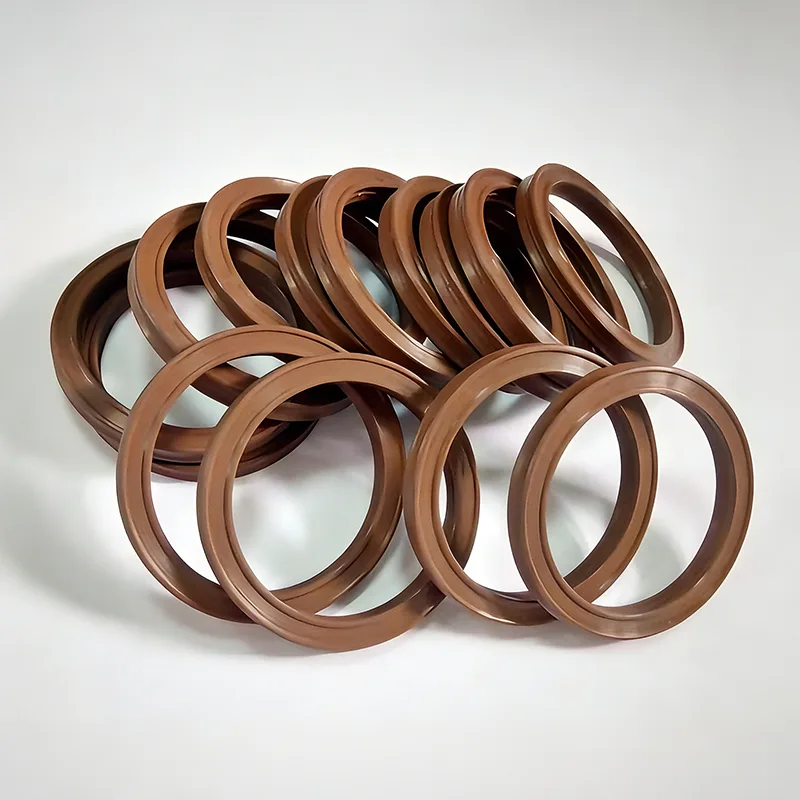
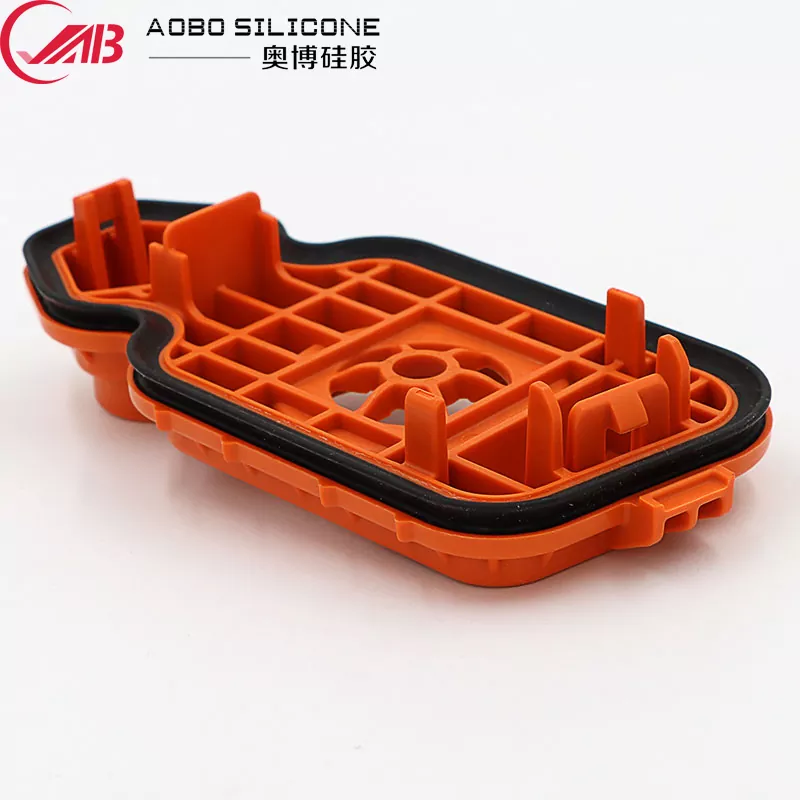
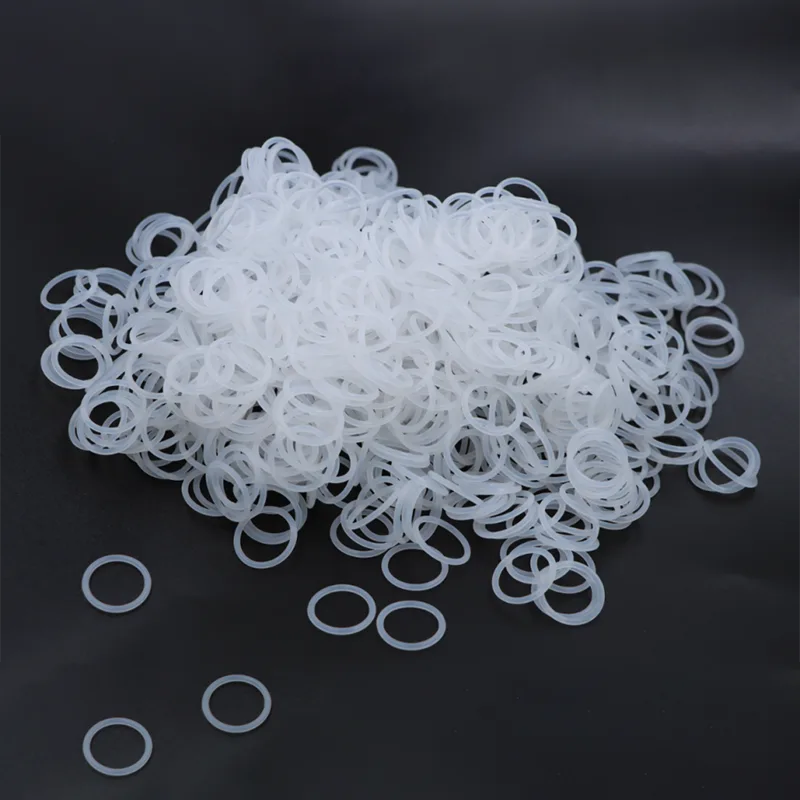
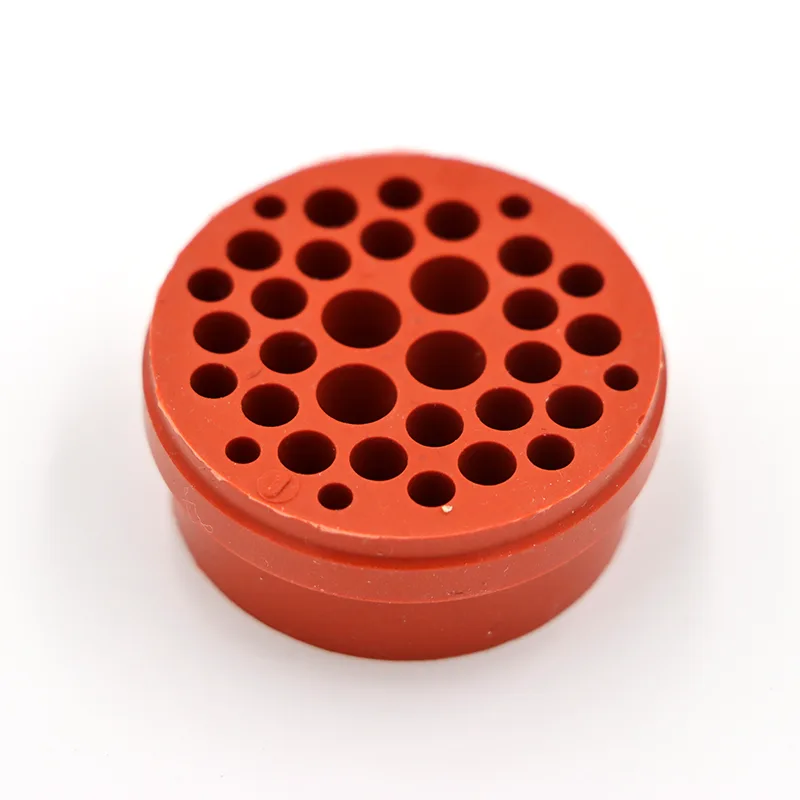
An automotive connector silicone rubber gasket is a sealing component designed to protect electrical connectors from external contaminants. It is typically made from high-performance silicone rubber, which provides flexibility, durability, and resistance to environmental stress.
These gaskets are installed between connector housings or interfaces to create a tight seal. Their primary purpose is to prevent ingress of water, dust, oil, and other harmful substances that could compromise electrical performance.
2. Why Are These Gaskets Essential in Automotive Systems?
Modern vehicles rely heavily on electronic components. From advanced driver-assistance systems (ADAS) to infotainment and engine control units, reliable connectivity is non-negotiable.
- Prevents moisture intrusion and corrosion
- Ensures consistent electrical conductivity
- Enhances vehicle safety systems
- Reduces maintenance and repair costs
- Improves overall system longevity
Without effective sealing, connectors are exposed to harsh conditions such as rain, road salt, engine heat, and vibration, leading to premature failure.
3. How Do Silicone Rubber Gaskets Work?
Silicone rubber gaskets function by creating a compression seal between two surfaces. When installed, the gasket deforms slightly to fill gaps and irregularities, forming a barrier against contaminants.
Key working principles include:
- Elasticity: Allows the gasket to adapt to surface variations
- Compression set resistance: Maintains sealing performance over time
- Thermal stability: Performs reliably across extreme temperatures
4. Key Material Properties of Silicone Rubber
| Property | Benefit |
|---|---|
| Temperature Resistance | Operates from -60°C to 200°C |
| Weather Resistance | Withstands UV, ozone, and oxidation |
| Flexibility | Maintains elasticity over time |
| Electrical Insulation | Prevents short circuits |
| Chemical Resistance | Resists oils and automotive fluids |
These properties make silicone rubber an ideal material for demanding automotive environments.
5. Common Customer Pain Points and Solutions
Many manufacturers face recurring issues with connector sealing. Below are typical challenges and how silicone rubber gaskets address them:
-
Problem: Water leakage causing electrical failure
Solution: High-quality silicone provides superior waterproof sealing -
Problem: Gasket deformation over time
Solution: Low compression set ensures long-term performance -
Problem: Extreme temperature exposure
Solution: Silicone maintains stability across wide temperature ranges -
Problem: Chemical degradation
Solution: Resistance to automotive fluids protects integrity
6. Comparison: Silicone vs Other Gasket Materials
| Material | Advantages | Disadvantages |
|---|---|---|
| Silicone Rubber | Excellent temperature resistance, flexibility | Higher cost |
| EPDM | Good weather resistance | Limited high-temperature performance |
| Nitrile Rubber | Oil resistance | Poor UV resistance |
| Neoprene | Balanced properties | Less flexible than silicone |
Silicone stands out for applications requiring durability under extreme conditions.
7. Design Considerations for Automotive Connectors
When designing connector gaskets, engineers must consider:
- Compression force requirements
- Environmental exposure conditions
- Connector geometry and tolerances
- Assembly process compatibility
- IP rating requirements (Ingress Protection)
A well-designed gasket ensures optimal sealing without compromising ease of installation.
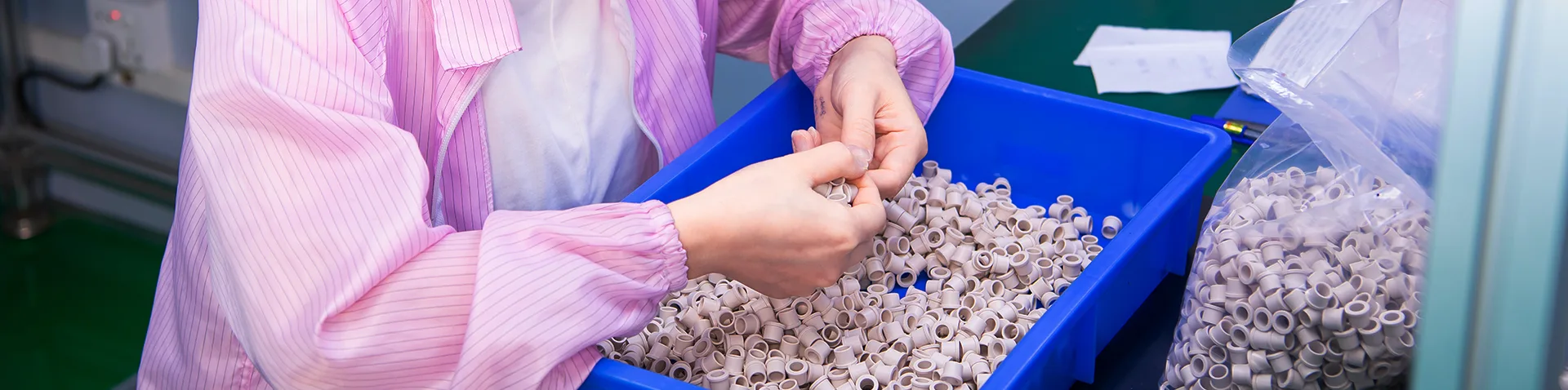
8. Manufacturing Process Overview
The production of silicone rubber gaskets typically involves:
- Material selection and formulation
- Compression or injection molding
- Post-curing for enhanced properties
- Precision trimming and inspection
Advanced manufacturers like Aobo (Dongguan) Precision Silicone Rubber Products Co., Ltd. utilize high-precision molds and strict quality control systems to ensure consistent product performance.
9. Application Scenarios in Modern Vehicles
Automotive connector silicone rubber gaskets are used in various systems, including:
- Engine control units
- Battery management systems in EVs
- Lighting systems
- Sensors and actuators
- Infotainment and navigation modules
Their versatility makes them indispensable in both traditional and electric vehicles.
10. How to Choose the Right Gasket Supplier
Selecting a reliable supplier is critical for ensuring product quality and consistency. Consider the following:
- Experience in automotive silicone products
- Customization capabilities
- Quality certifications
- Material traceability
- Technical support and after-sales service
Working with experienced manufacturers like Aobo (Dongguan) Precision Silicone Rubber Products Co., Ltd. can significantly reduce risks and improve product reliability.
11. Future Trends in Automotive Sealing Technology
As vehicles evolve, so do sealing requirements. Key trends include:
- Increased demand for EV-compatible materials
- Miniaturization of connectors
- Enhanced durability for autonomous systems
- Eco-friendly and sustainable materials
Silicone rubber continues to adapt to these trends, maintaining its position as a leading sealing material.
12. FAQ
Q1: What makes silicone rubber better than other materials?
A: Its ability to withstand extreme temperatures, resist environmental damage, and maintain flexibility over time makes it superior.
Q2: How long do silicone rubber gaskets last?
A: With proper design and application, they can last for the entire lifespan of the vehicle.
Q3: Are these gaskets suitable for electric vehicles?
A: Yes, they are widely used in EV battery systems and electronic components.
Q4: Can silicone gaskets be customized?
A: Absolutely. They can be tailored in shape, size, hardness, and color to meet specific requirements.
Q5: Do silicone gaskets require maintenance?
A: Generally, they are maintenance-free but should be inspected during major servicing.
Conclusion
Automotive connector silicone rubber gaskets may be small components, but their impact on vehicle reliability and safety is enormous. By ensuring effective sealing, they protect critical electronic systems from environmental damage, reduce maintenance costs, and enhance overall performance.
Choosing the right material, design, and supplier is essential for achieving optimal results. As automotive technology continues to evolve, the importance of high-quality sealing solutions will only increase.
If you are looking for reliable, high-performance silicone rubber gasket solutions tailored to your automotive needs, contact us today. Aobo (Dongguan) Precision Silicone Rubber Products Co., Ltd. is ready to provide expert support, customized designs, and premium-quality products to help your business succeed.
Related News
- Why Do X-Rings Offer Better Sealing Performance Than O-Rings?
- What International Standards Apply to X-Rings? A Detailed Explanation of Common Dimensional Standard Systems
- 2026 Silicone Plate Recommendations: A Guide to Avoiding Pitfalls in Non-Slip Silicone Plate Selection
- Avoid the Low-Price Trap: Your Complete Guide to Sourcing O-Shaped Silicone Seal Rings
- What is a Silicone Connector? A Full Guide to Its Uses, Materials and Selection
- What Are Silicone Vape Accessories? A Complete Guide to Food-Grade Silicone Smoking Accessories
Leave me a message