How Does Liquid Silicone Rubber Metal Overmolding Transform High-Performance Product Manufacturing?
Liquid Silicone Rubber (LSR) metal overmolding is a highly advanced manufacturing process that combines precision-molded silicone with rigid metal substrates to create durable, high-performance components. This hybrid engineering approach is widely used in medical devices, automotive systems, consumer electronics, industrial sealing, and wearable technologies. By integrating flexible elastomer properties with structural metal strength, manufacturers achieve superior sealing performance, thermal stability, chemical resistance, and long-term reliability.
This article provides a comprehensive breakdown of the LSR metal overmolding process, including material behavior, engineering design principles, production workflow, cost considerations, and real-world applications. It is designed to help engineers, product developers, and procurement specialists understand how to reduce failure rates, improve product performance, and optimize manufacturing efficiency.
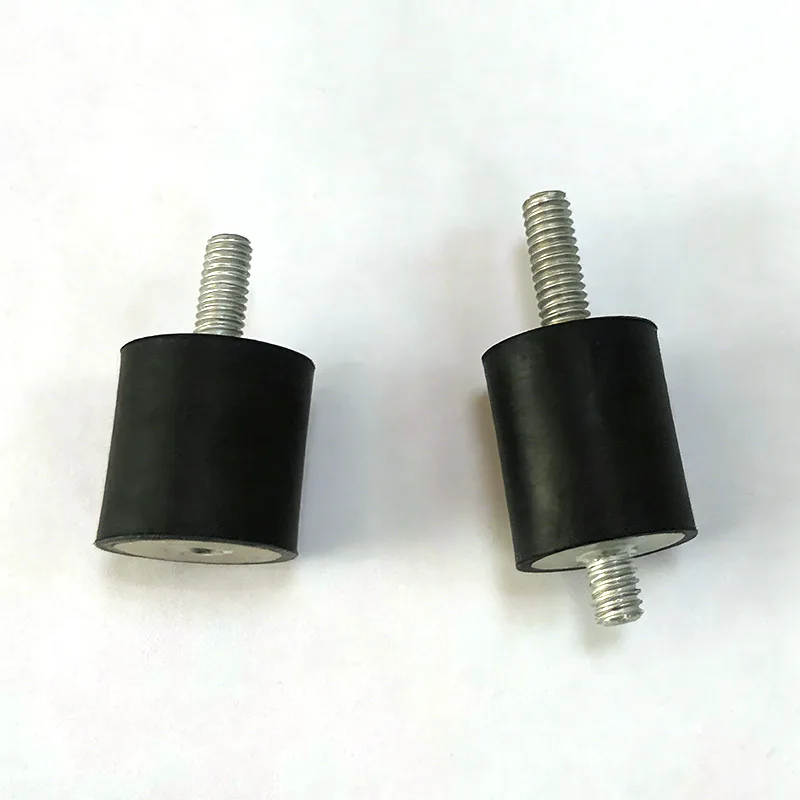
Table of Contents
- 1. Introduction to Liquid Silicone Rubber Metal Overmolding
- 2. Material Science Behind LSR and Metal Bonding
- 3. Manufacturing Process Workflow
- 4. Design Guidelines for Engineers
- 5. Key Advantages of LSR Metal Overmolding
- 6. Challenges and Engineering Solutions
- 7. Industry Applications
- 8. Quality Control and Testing Methods
- 9. Cost Structure and Optimization
- 10. Future Trends
- 11. Frequently Asked Questions
- 12. Conclusion and Contact
Introduction to Liquid Silicone Rubber Metal Overmolding
Liquid Silicone Rubber metal overmolding is a hybrid injection molding technique where molten or uncured silicone is injected directly onto a prepared metal substrate. Once cured, the silicone forms a permanent bond with the metal, creating a unified component that combines flexibility and rigidity in a single structure.
Unlike traditional assembly methods such as gluing or mechanical fastening, overmolding eliminates weak connection points and significantly improves long-term stability. This makes it ideal for environments where vibration, heat cycling, moisture exposure, or chemical contact is frequent.
The process is widely adopted in industries requiring extreme precision and reliability, particularly where sealing integrity and ergonomic performance are critical.
Material Science Behind LSR and Metal Bonding
The success of LSR metal overmolding depends heavily on the interaction between silicone polymers and metal surfaces. LSR is a two-component platinum-cured elastomer known for its thermal stability, elasticity, and biocompatibility. Metals such as aluminum, stainless steel, and brass are commonly used substrates.
Adhesion is achieved through a combination of mechanical interlocking and chemical surface treatment. Metal surfaces are often roughened or coated to improve bonding strength.
| Material Type | Key Property | Role in Overmolding |
|---|---|---|
| LSR (Liquid Silicone Rubber) | Elasticity, heat resistance | Forms flexible sealing or protective layer |
| Stainless Steel | Corrosion resistance | Structural strength and durability |
| Aluminum | Lightweight, thermal conductivity | Used in lightweight assemblies |
| Brass | Machinability | Precision mechanical components |
Surface preparation is critical. Without proper cleaning, priming, or plasma treatment, bonding failure may occur under stress conditions.
Manufacturing Process Workflow
The LSR metal overmolding process follows a structured sequence designed to ensure consistent product quality and adhesion strength.
- Metal Substrate Preparation: Cleaning, degreasing, and surface roughening.
- Surface Treatment: Plasma or chemical priming to enhance bonding.
- Tooling Setup: Precision mold alignment and temperature calibration.
- LSR Injection: High-pressure injection of liquid silicone into mold cavity.
- Curing Process: Heat curing to solidify silicone structure.
- Demolding: Removal of finished component without deformation.
- Post-Processing: Trimming, inspection, and finishing.
Each step must be tightly controlled to avoid defects such as delamination, air entrapment, or incomplete curing.
Design Guidelines for Engineers
Designing for LSR metal overmolding requires careful consideration of geometry, material interaction, and functional requirements.
- Ensure adequate undercuts for mechanical locking
- Avoid sharp corners that may cause stress concentration
- Maintain uniform wall thickness for consistent curing
- Design venting channels to prevent air traps
- Select compatible metal alloys for thermal expansion balance
Proper design significantly reduces production defects and improves overall product lifespan.
Key Advantages of LSR Metal Overmolding
This technology offers multiple engineering and commercial benefits, making it a preferred choice for high-performance components.
- Excellent sealing performance against water, dust, and chemicals
- High temperature resistance (up to 200°C or more)
- Long-term durability under mechanical stress
- Improved ergonomics and tactile feel
- Reduced assembly cost by eliminating secondary bonding
These advantages contribute to lower failure rates and improved product lifecycle efficiency.
Challenges and Engineering Solutions
Despite its advantages, LSR metal overmolding presents several technical challenges.
| Challenge | Cause | Solution |
|---|---|---|
| Poor adhesion | Improper surface treatment | Use plasma or chemical primers |
| Air bubbles | Poor venting design | Improve mold ventilation system |
| Warping | Uneven cooling | Optimize temperature control |
| Delamination | Material incompatibility | Select compatible alloys and LSR grade |
Industry Applications
LSR metal overmolding is widely used across multiple industries due to its versatility and performance reliability.
- Medical Devices: Surgical tools, seals, and implants
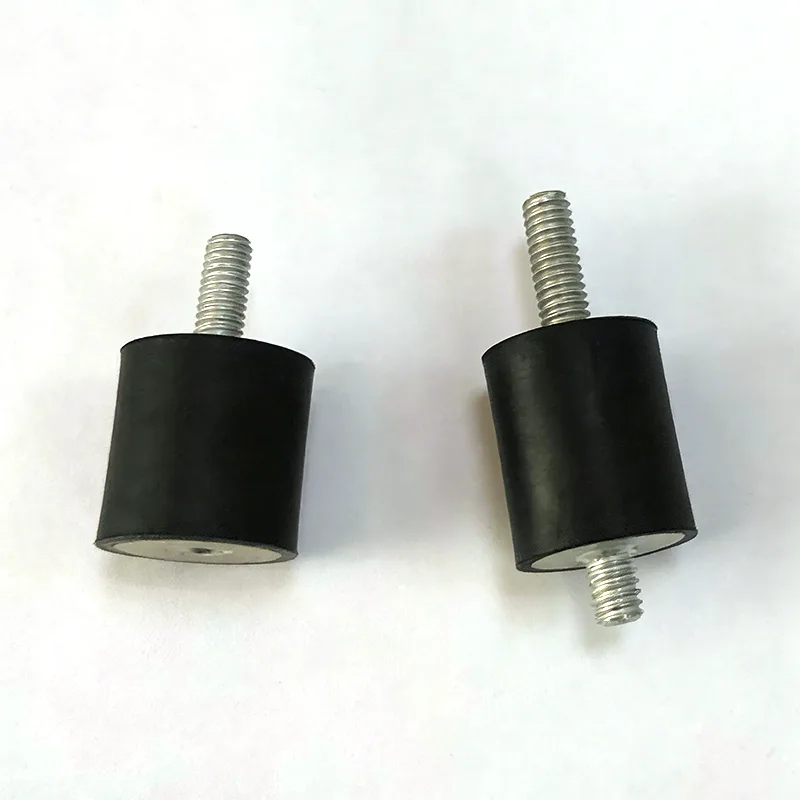
- Automotive: Sensors, connectors, and vibration dampers
- Electronics: Waterproof housings and connectors
- Industrial Equipment: Sealing systems and protective covers
- Consumer Products: Wearables and ergonomic grips
Quality Control and Testing Methods
Quality assurance is critical to ensure long-term performance of overmolded parts.
- Adhesion strength testing
- Thermal cycling tests
- Pressure resistance evaluation
- Visual defect inspection
- Dimensional accuracy measurement
Advanced inspection systems such as X-ray scanning and automated optical inspection are often used in high-precision industries.
Cost Structure and Optimization
The cost of LSR metal overmolding is influenced by several factors including material selection, mold complexity, and production volume.
| Cost Factor | Impact Level | Optimization Strategy |
|---|---|---|
| Mold Design | High | Simplify geometry where possible |
| Material Cost | Medium | Bulk sourcing of LSR and metals |
| Cycle Time | High | Improve curing efficiency |
| Labor | Medium | Automation of inspection processes |
Future Trends in LSR Metal Overmolding
The future of LSR metal overmolding is moving toward higher automation, smarter material integration, and sustainability-focused manufacturing.
- AI-driven mold optimization
- Eco-friendly silicone formulations
- Micro overmolding for miniaturized electronics
- Hybrid multi-material injection systems
- Increased use in wearable medical technology
These advancements will continue to expand the possibilities of high-performance hybrid components.
Frequently Asked Questions (FAQ)
Q1: What makes LSR metal overmolding better than adhesive bonding?
It provides permanent molecular-level bonding instead of surface-level adhesion, resulting in higher durability.
Q2: Can LSR withstand extreme temperatures?
Yes, LSR can typically withstand temperatures from -50°C to over 200°C depending on formulation.
Q3: Is metal surface treatment always required?
In most cases, yes. It significantly improves bonding strength and reduces failure risk.
Q4: Which industries benefit most from this technology?
Medical, automotive, electronics, and industrial manufacturing sectors benefit the most.
Q5: How long does the overmolding process take?
Cycle time varies, but typically ranges from a few seconds to several minutes depending on part complexity.
Conclusion and Contact
Liquid Silicone Rubber metal overmolding represents a major advancement in modern manufacturing by combining flexibility, strength, and reliability into a single integrated component. It eliminates traditional assembly weaknesses and supports the production of highly durable, precision-engineered parts.
As industries continue to demand higher performance and longer service life, this technology will remain a key solution for next-generation product design and manufacturing efficiency.
Aobo (Dongguan) Precision Silicone Rubber Products Co., Ltd. specializes in high-quality silicone rubber solutions and advanced overmolding technologies tailored for global industrial applications.
If you are looking for customized LSR metal overmolding solutions, technical consultation, or mass production support, please feel free to contact us for professional assistance and tailored manufacturing services.
Related News
- Why Do X-Rings Offer Better Sealing Performance Than O-Rings?
- What International Standards Apply to X-Rings? A Detailed Explanation of Common Dimensional Standard Systems
- 2026 Silicone Plate Recommendations: A Guide to Avoiding Pitfalls in Non-Slip Silicone Plate Selection
- Avoid the Low-Price Trap: Your Complete Guide to Sourcing O-Shaped Silicone Seal Rings
- What is a Silicone Connector? A Full Guide to Its Uses, Materials and Selection
- What Are Silicone Vape Accessories? A Complete Guide to Food-Grade Silicone Smoking Accessories
Leave me a message