Silicone Automotive Connector Purchasing Guide: Full Analysis of Sealing & Temperature Resistance Material Parameters
Silicone auto connector sourcing has pitfalls: most makers only list basic specs, ignoring core material metrics, causing seal & insulator failures, harming sealing & driving safety. Root cause: no measurable material standards in audits. It covers two key metrics: seal & heat resistance, with practical checks to help cut batch risks and failure rates.
|
Comparison Dimension |
Silicone Connectors |
Engineering Plastic Connectors (PA/PBT) |
Traditional Rubber Connectors (NBR) |
|
Sealing Protection |
Up to IP67/IP68, high vibration resistance and tight fit |
Mostly IP54/IP65, prone to gaps under vibration |
Rapid elasticity loss at low temperatures, prone to permanent deformation |
|
Temperature Resistance |
-40℃ to 200℃, stable performance over wide temperature range |
-40℃ to 120℃, prone to softening and deformation at high temperatures |
-30℃ to 120℃, prone to brittleness and cracking under extreme temperatures |
|
Weathering & Aging Resistance |
Ozone and UV resistant, service life over 10 years |
Poor weather resistance, prone to brittleness and cracking under sun exposure |
Moderate weather resistance, prone to cracking and elasticity loss |
|
Electrical Insulation |
High dielectric strength, slow performance degradation under high temperature and humidity |
Good performance at room temperature, rapid insulation loss under high temperature and humidity |
Low insulation grade, easy precipitation of additives |
|
Vibration & Shock Absorption |
High resilience, low compression set |
No cushioning capacity, prone to wear, loosening and buckle fracture |
Rapid decline of sealing force after long-term vibration |
|
Corrosion Resistance |
Resistant to oil, salt spray, acid and alkali, stable chemical properties |
Resistant to partial media, prone to cracking in highly corrosive environments |
Fair resistance to mineral oil, poor resistance to antifreeze and ozone |
|
Service Life |
10–15 years under normal working conditions, gentle performance degradation |
Prone to aging failure after 3–5 years |
Elasticity loss and sealing failure after 3–5 years |
|
Lightweight Performance |
Low density, thin-wall structure meets requirements |
High density, thick wall required to ensure strength |
Large cross-section needed for sealing, no weight advantage |
I. Sealing Performance Parameters: Hidden Details Beyond IP Ratings
Verifying only IP67/IP68 protection ratings is far from sufficient. The core metric is the compression set of silicone seals: platinum-cured silicone shall be adopted, with a compression set of less than 15% under 100°C for 22 hours.
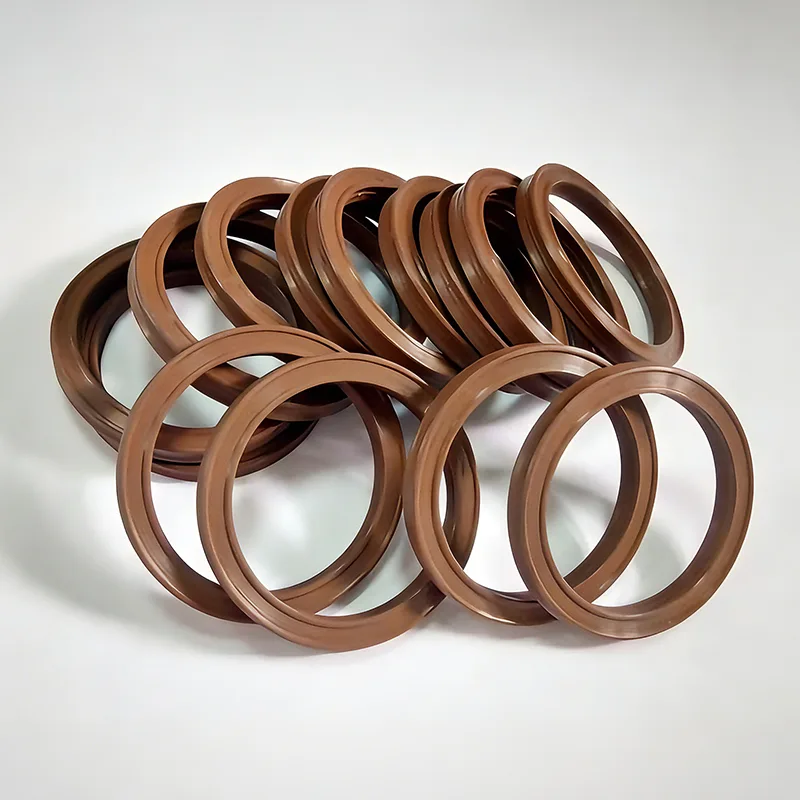
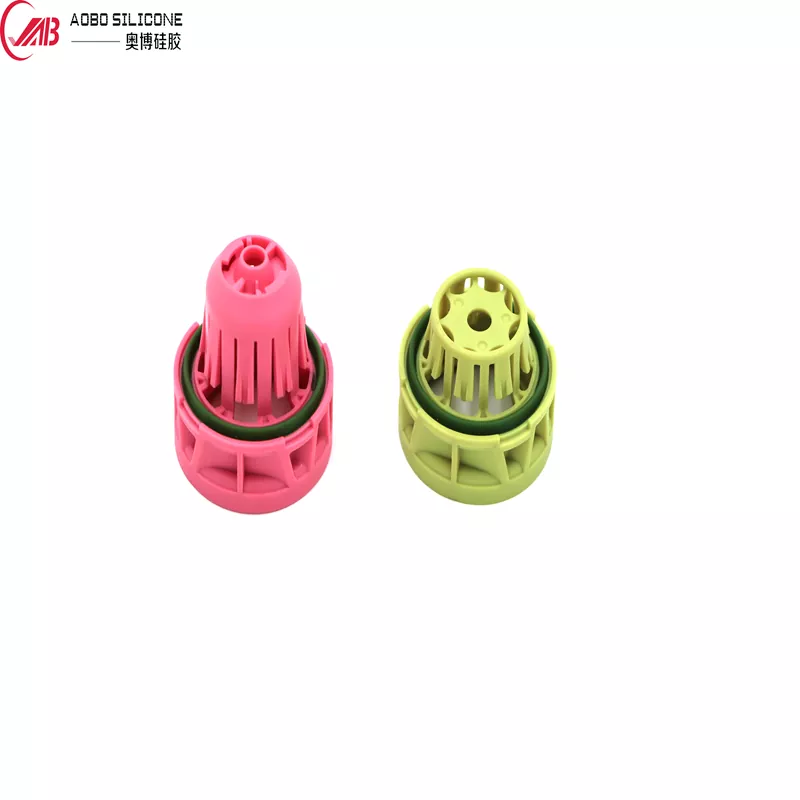
An integrated silicone sealing structure is more reliable than assembled O-rings, avoiding installation misalignment. The cross-section design of the sealing lip is equally critical — X-shaped or double-lip structures deliver redundant protection. Silicone hardness is recommended at Shore A 50±5 to balance mating force and sealing performance; tear strength shall be no less than 20 kN/m to prevent seal tearing and failure under vibration.
II. Temperature Resistance Material Parameters: Focus on Thermal Aging Data
Temperatures around electric drives and battery packs in new energy vehicles often exceed 125°C. For qualified silicone automotive connectors, silicone insulators must pass UL 94 V-0 flammability rating, with a continuous operating temperature range covering -60°C to 200°C.
Temperature resistance shall be verified via thermal aging test reports rather than supplier promises: after 168 hours of hot air aging at 150°C, tensile strength change rate ≤ ±15%, elongation change rate ≤ ±20%, and hardness change ≤ +10 Shore A. Silicone maintains elasticity at -60°C extreme cold and works reliably during cold starts, far outperforming ordinary rubber.
III. Practical Procurement Tips
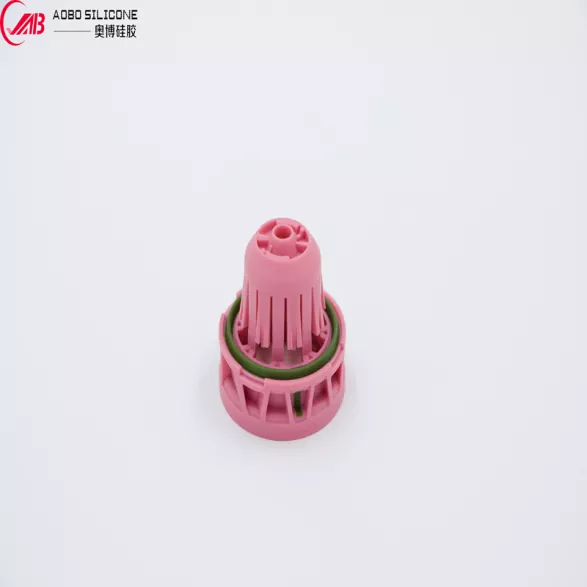
Do not only focus on quotations. Request third-party test reports compliant with USCAR-2 or LV214 standards, with priority checks on volume change rate against coolant and engine oil (recommended <5%). Low-quality adulterated silicone swells in oil, causing immediate sealing failure. Prioritize manufacturers that provide complete material data sheets and support bench validation.
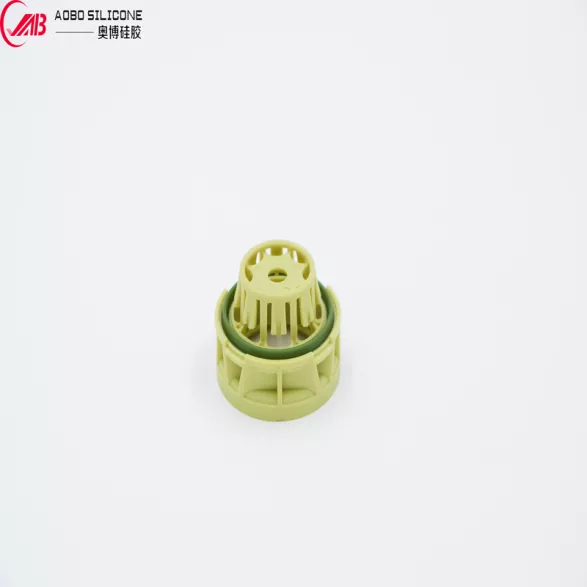
Aobo Silicone has specialized in custom high-reliability silicone automotive connectors for 23 years. With in-house molding lines and a CNC mold center, we offer IP68-rated, -60°C to 200°C wide-temperature solutions and full material verification reports. Click to send an inquiry and get free samples plus a selection guide instantly.
Related News
- Why Do X-Rings Offer Better Sealing Performance Than O-Rings?
- What International Standards Apply to X-Rings? A Detailed Explanation of Common Dimensional Standard Systems
- 2026 Silicone Plate Recommendations: A Guide to Avoiding Pitfalls in Non-Slip Silicone Plate Selection
- Avoid the Low-Price Trap: Your Complete Guide to Sourcing O-Shaped Silicone Seal Rings
- What is a Silicone Connector? A Full Guide to Its Uses, Materials and Selection
- What Are Silicone Vape Accessories? A Complete Guide to Food-Grade Silicone Smoking Accessories
Leave me a message