
Industry News
 01 2026-07
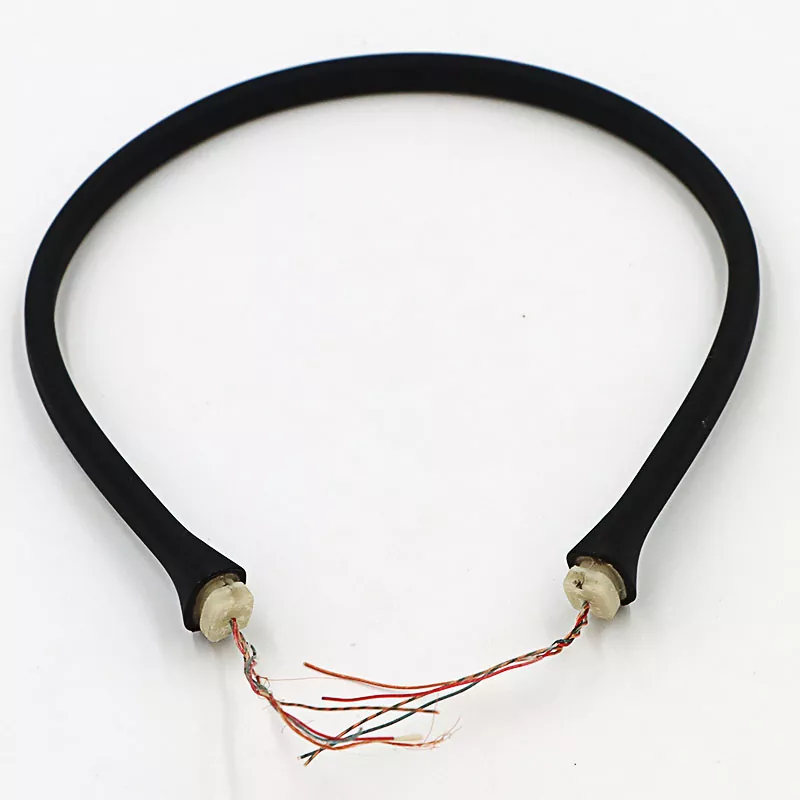
 Can Silicone Electronic Accessories Withstand High Temperatures? Introduction to Flame-Retardant and Insulating Electronic Silicone Accessories
In electronics manufacturing, the temperature resistance of sealing, protective and shock-absorbing parts directly affects equipment stability. Many purchasers ask if silicone electronic accessories resist high temperatures. The answer is yes: high temperature resistance is a core advantage and key reason they widely replace common plastic and rubber parts.
 30 2026-06
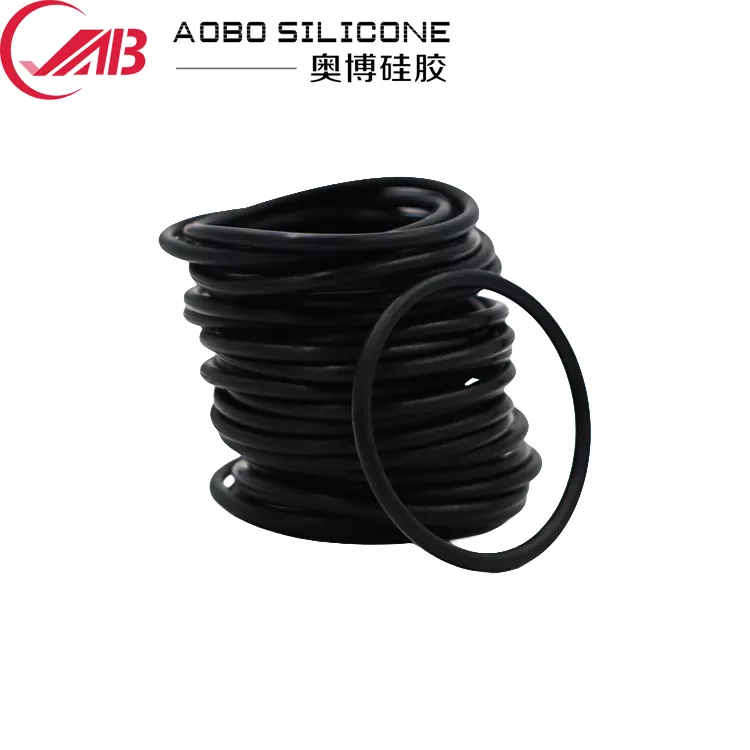
 What Are the Types of Silicone Seal Rings and What Are Their Differences?
Many people struggle with the differences between various styles when selecting sealing accessories. In fact, the core of a qualified silicone seal ring lies in the precise matching of its form to the application scenario. Classified by cross-section shape and function, there are four main types of sealing parts on the market, with clear differences in applicable scenarios and performance.
 29 2026-06
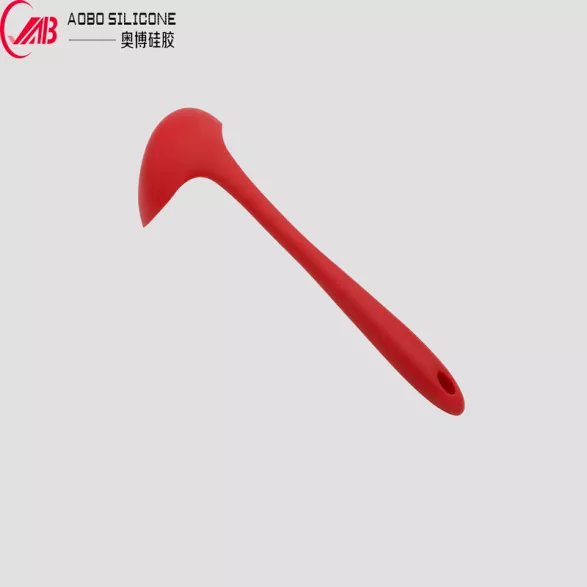
 How Heat-Resistant Are Silicone Spoons? How to Choose the Right One for Cooking and Soup
Many households have switched to silicone kitchen utensils to protect the non-stick coating of their cookware. However, one common question remains: How heat-resistant is a silicone spoon? Is it safe for frying and making soup? As a professional silicone manufacturer in China, Aobo Silicone is here to answer these questions.
 29 2026-06
 How Does Liquid Silicone Rubber Metal Overmolding Transform High-Performance Product Manufacturing?
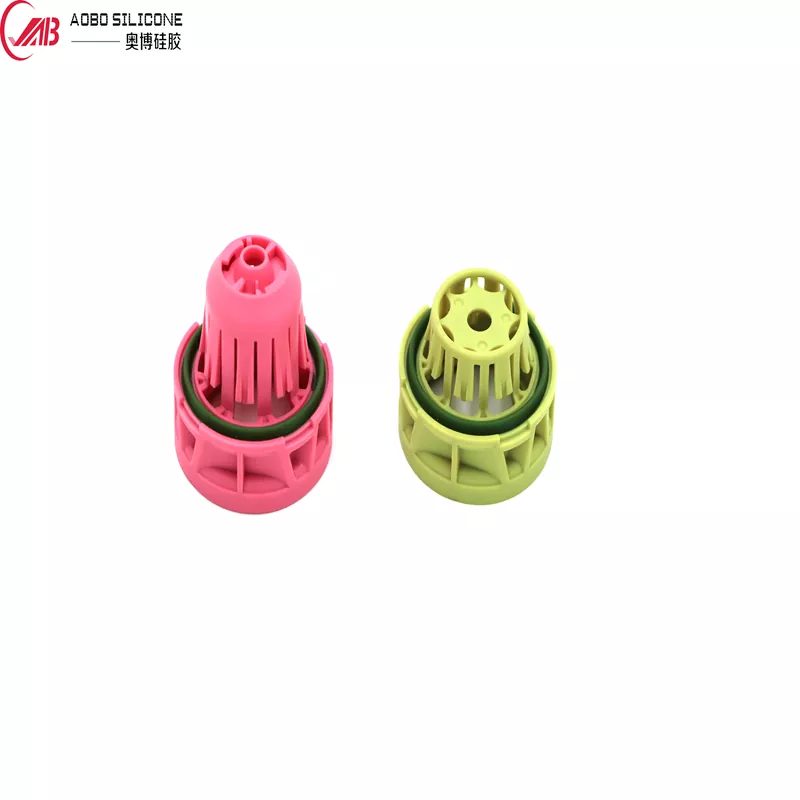
Liquid Silicone Rubber (LSR) metal overmolding is a highly advanced manufacturing process that combines precision-molded silicone with rigid metal substrates to create durable, high-performance components. This hybrid engineering approach is widely used in medical devices, automotive systems, consumer electronics, industrial sealing, and wearable technologies. By integrating flexible elastomer properties with structural metal strength, manufacturers achieve superior sealing performance, thermal stability, chemical resistance, and long-term reliability.
 26 2026-06
 Silicone Automotive Connector Purchasing Guide: Full Analysis of Sealing & Temperature Resistance Material Parameters
Silicone auto connector sourcing has pitfalls: most makers only list basic specs, ignoring core material metrics, causing seal & insulator failures, harming sealing & driving safety. Root cause: no measurable material standards in audits. It covers two key metrics: seal & heat resistance, with practical checks to help cut batch risks and failure rates.
 26 2026-06
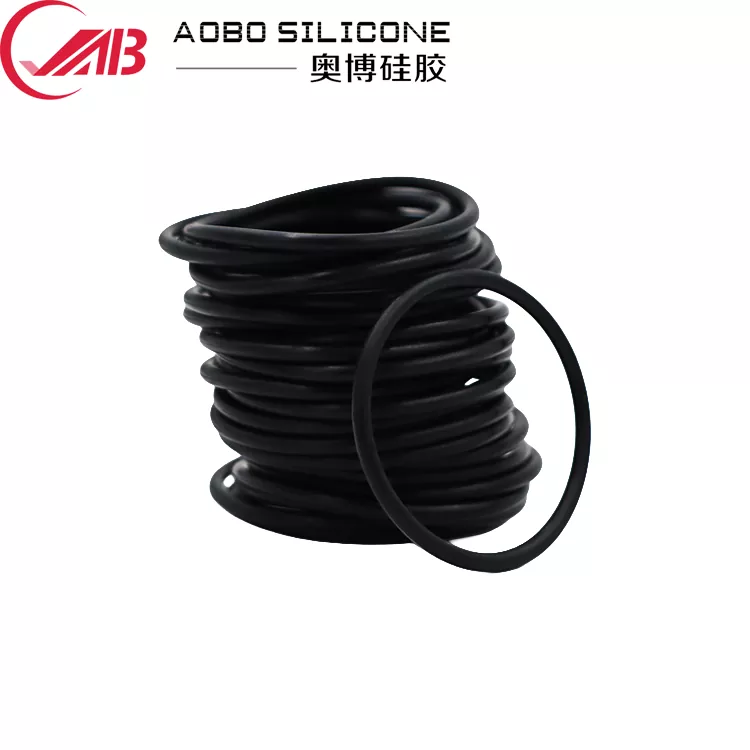
 Why Silicone Sealing Rings Fail Prematurely: An In-Depth Analysis from a China Silicone Manufacturer
Over 23 years in silicone manufacturing, most early seal leakage stems not from product defects, but poor material & size selection in the design stage. Many buyers only focus on food-grade certifications and cost, ignoring key factors: temperature, media resistance, pressure and installation, causing early failure, downtime and higher upkeep costs.