What Are the Types of Silicone Seal Rings and What Are Their Differences?
Many people struggle with the differences between various styles when selecting sealing accessories. In fact, the core of a qualified silicone seal ring lies in the precise matching of its form to the application scenario. Classified by cross-section shape and function, there are four main types of sealing parts on the market, with clear differences in applicable scenarios and performance.
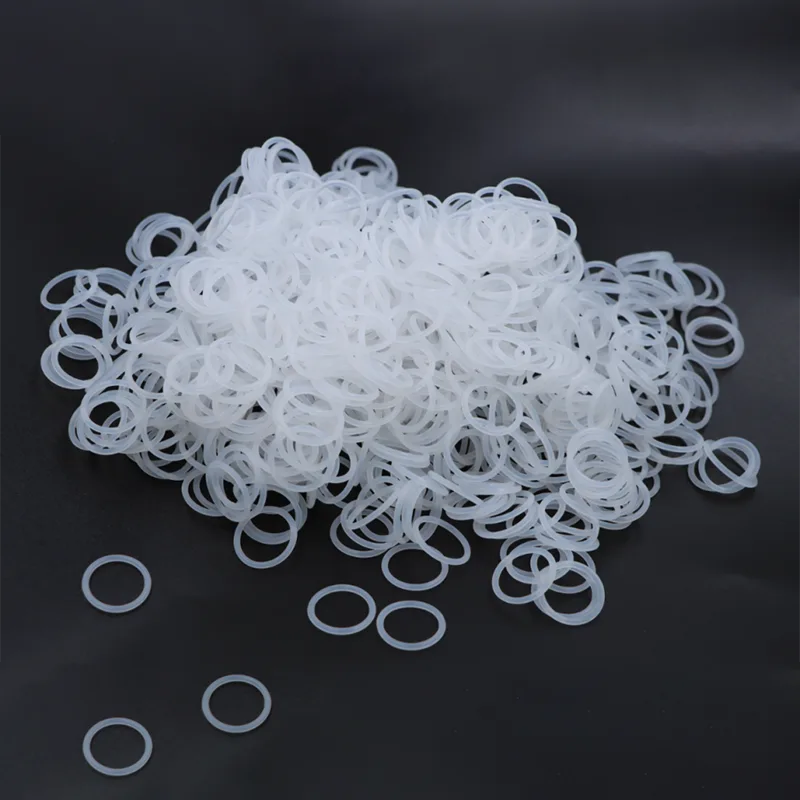
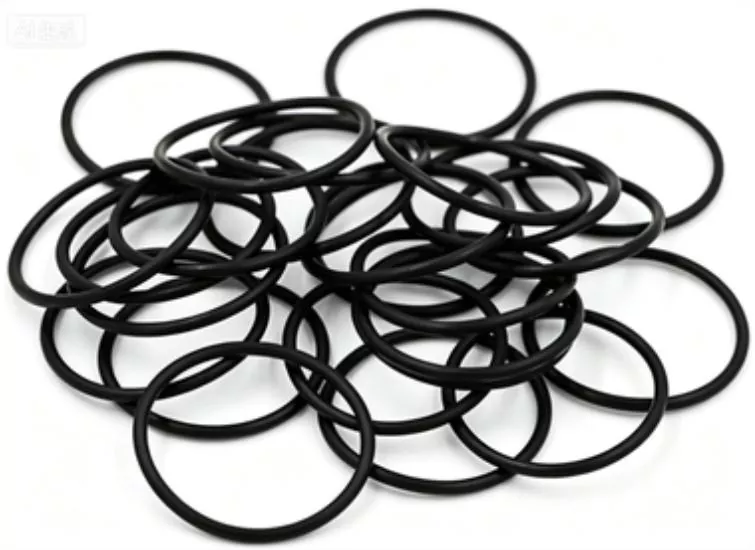
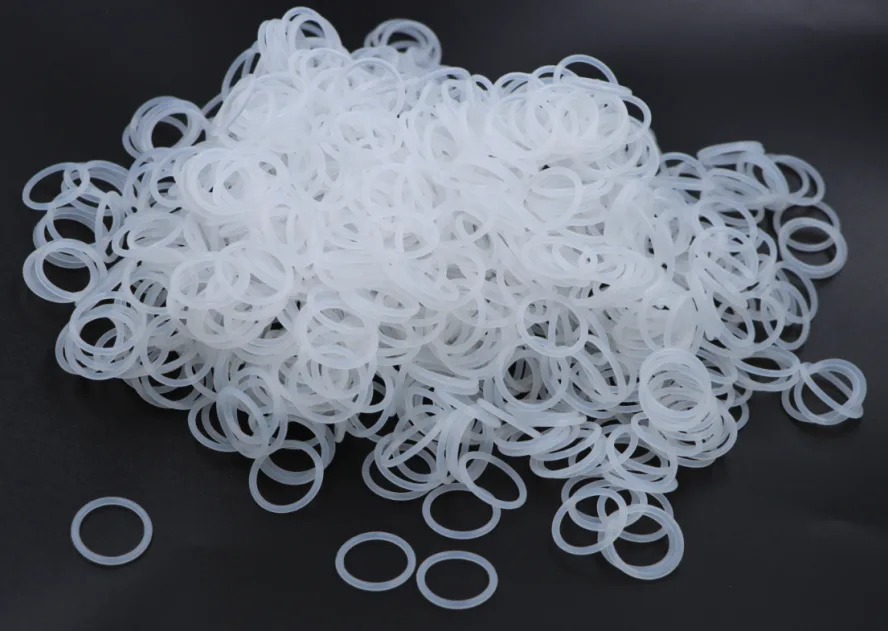
O-rings are the most basic and universal type. With a simple circular cross-section, they are easy to install and disassemble, deliver stable performance in static sealing and low-speed rotary sealing applications, and come with lower mass production costs. They are widely used in dustproof and waterproof scenarios such as home appliance liners, water pipe interfaces, and ordinary pneumatic equipment, making them the first choice for most conventional sealing needs.
|
Seal Type |
Structural Feature |
Key Advantages |
Typical Application Scenarios |
|
O-ring |
Circular cross-section, symmetrical and simple structure |
Easy to install and remove, low mass production cost, stable performance in static and low-speed rotary sealing |
Dustproof and waterproof sealing for home appliance liners, water pipe connections, and general pneumatic equipment |
|
Flat gasket (rectangular seal ring) |
Flat sheet structure, can be cut or customized in shape |
Large contact area, high pressure resistance, adaptable to irregular mounting surfaces |
Static planar sealing for flanges, valves, cabinets, and equipment cover plates |
|
Lip seal / Y-shaped seal ring |
With single or double lip structure |
Better sealing performance under higher pressure, excellent dynamic wear resistance and extrusion resistance |
Reciprocating parts such as cylinders, pistons, and hydraulic rods |
|
Special-shaped seal |
Customized non-standard designs (conical, stepped, snap-fit, etc.) |
Adaptable to complex installation grooves, combining sealing and positioning functions |
Non-standard applications such as auto parts and precision electronic equipment |
Flat gaskets, also known as rectangular sealing rings, are planar sheet structures that can be cut or customized to fit the dimensions of mounting surfaces, adapting to irregular flanges and equipment cover joint surfaces. Compared with O-rings, they have a larger contact area and stronger pressure-bearing capacity, making them more suitable for planar static sealing of valves, boxes, and mechanical equipment.
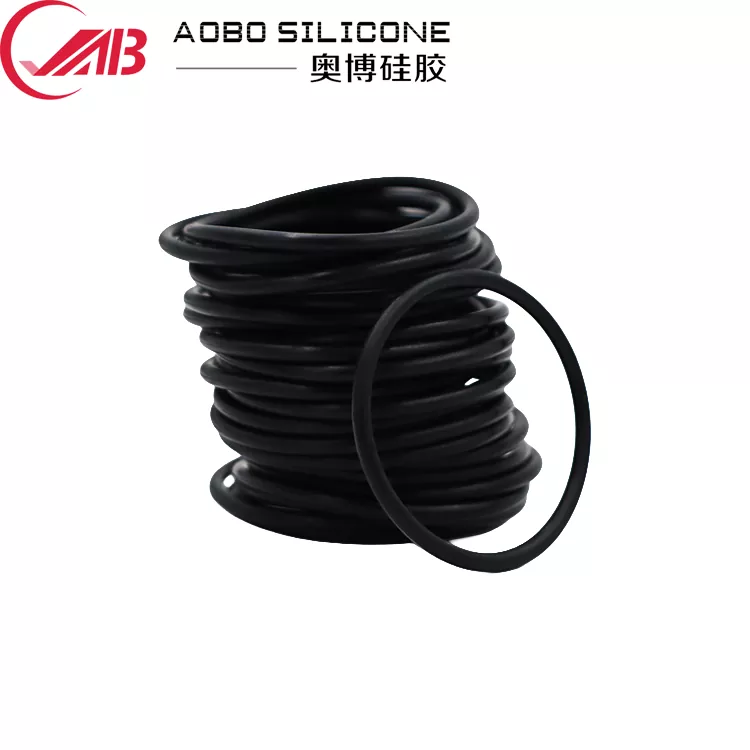
Lip seals and Y-shaped sealing rings feature single or double lip structures. The lip is pressed tightly against the sealing surface by the pressure of the medium, and the higher the pressure, the better the sealing effect. These products are mainly used in reciprocating parts such as cylinders, pistons, and hydraulic rods, with far better dynamic wear resistance and extrusion resistance than ordinary circular rings.
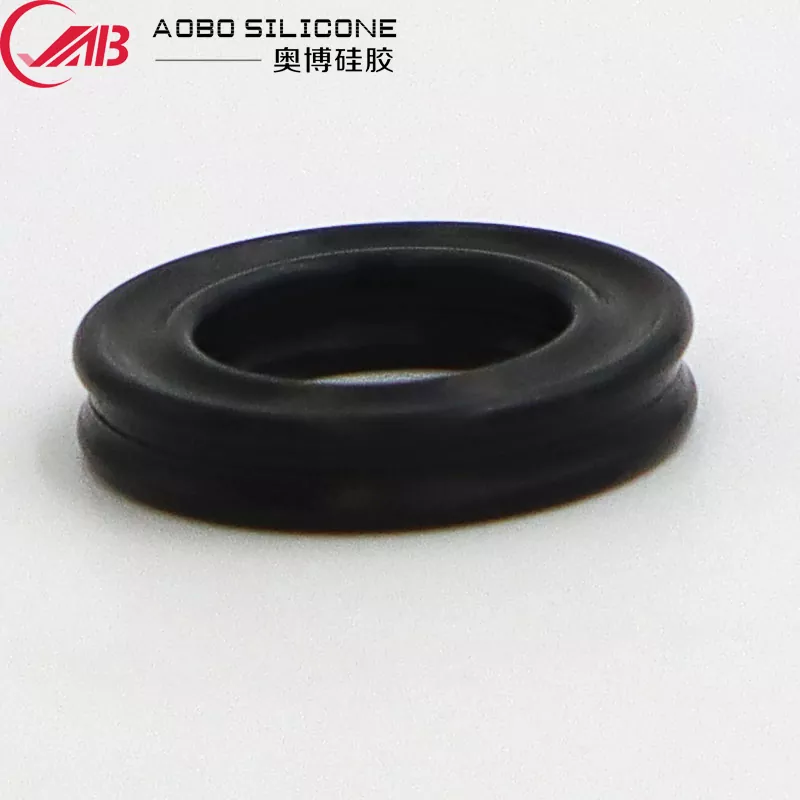
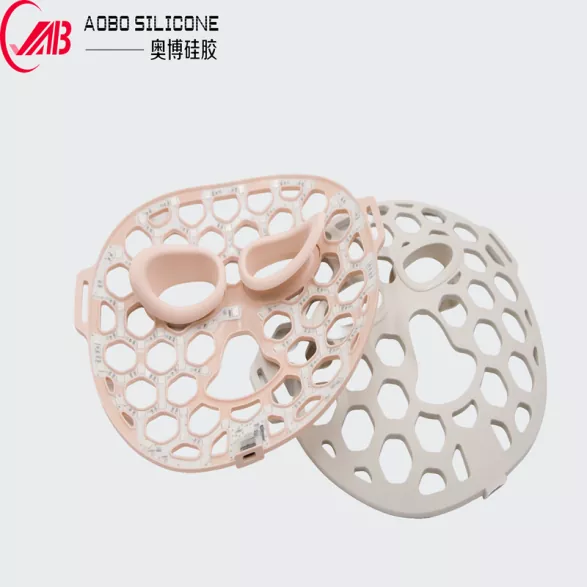
Special-shaped sealing parts are customized products for special equipment structures, such as conical, stepped, and snap-fit designs. They can adapt to complex installation grooves, combining sealing and positioning functions, and are mostly used in non-standard scenarios such as auto parts and precision electronic equipment.
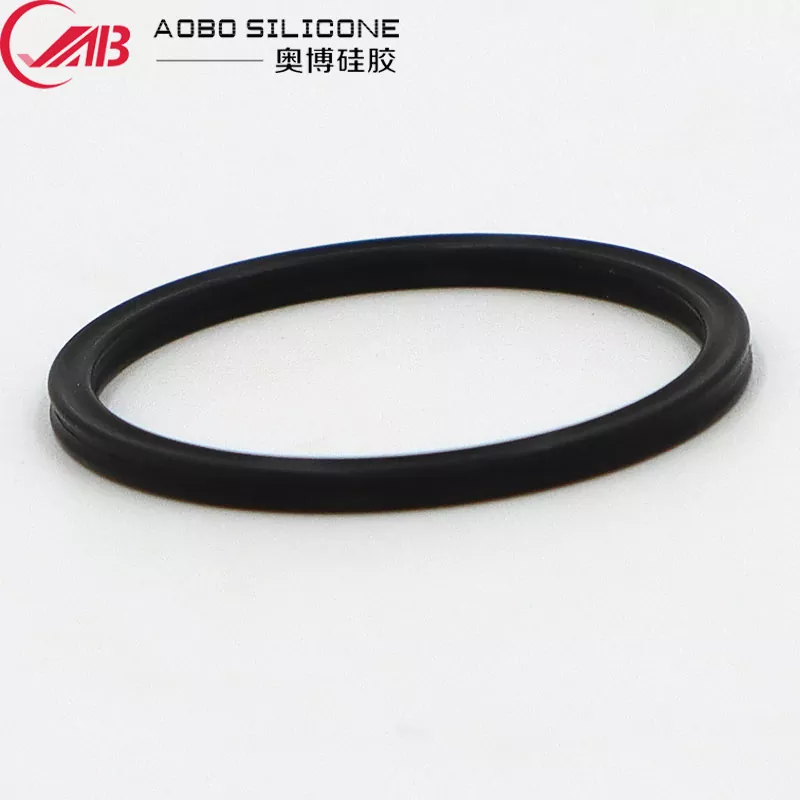
Silicone seal rings of different shapes are essentially designed to adapt to different installation structures and working conditions. When selecting, first confirm whether the sealing scenario is static or dynamic, the shape of the mounting surface, operating temperature, and contact medium. This will help you quickly narrow down the options and find a cost-effective solution.
Aobo Silicone supports mold customization for various sealing parts, covering food-grade, industrial-grade and other materials. With fast sample production and stable delivery, we provide free samples for testing. Welcome to contact us for consultation.
Related News
- Why Do X-Rings Offer Better Sealing Performance Than O-Rings?
- What International Standards Apply to X-Rings? A Detailed Explanation of Common Dimensional Standard Systems
- 2026 Silicone Plate Recommendations: A Guide to Avoiding Pitfalls in Non-Slip Silicone Plate Selection
- Avoid the Low-Price Trap: Your Complete Guide to Sourcing O-Shaped Silicone Seal Rings
- What is a Silicone Connector? A Full Guide to Its Uses, Materials and Selection
- What Are Silicone Vape Accessories? A Complete Guide to Food-Grade Silicone Smoking Accessories
Leave me a message