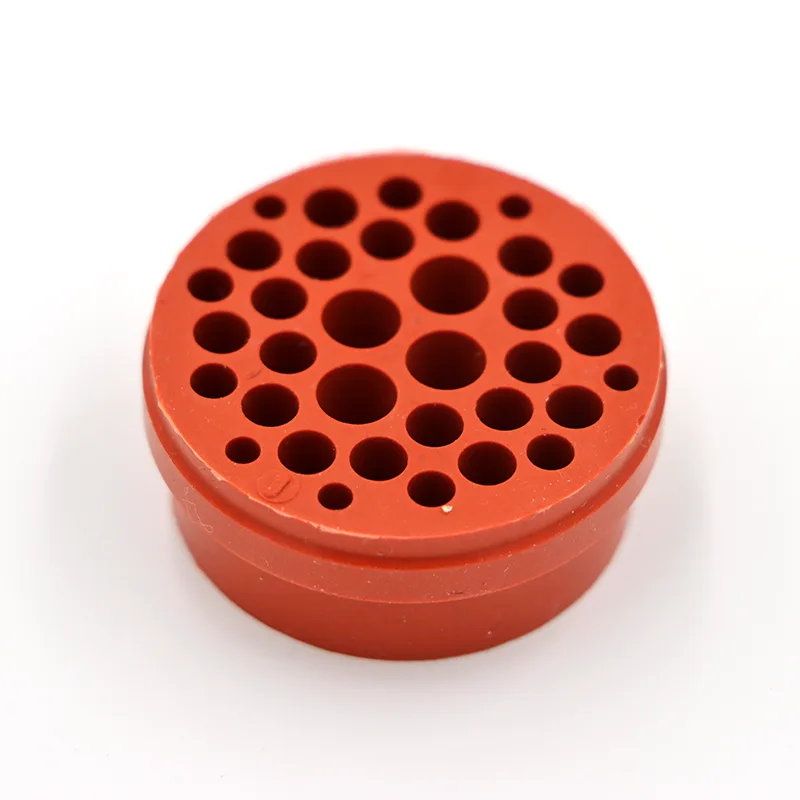
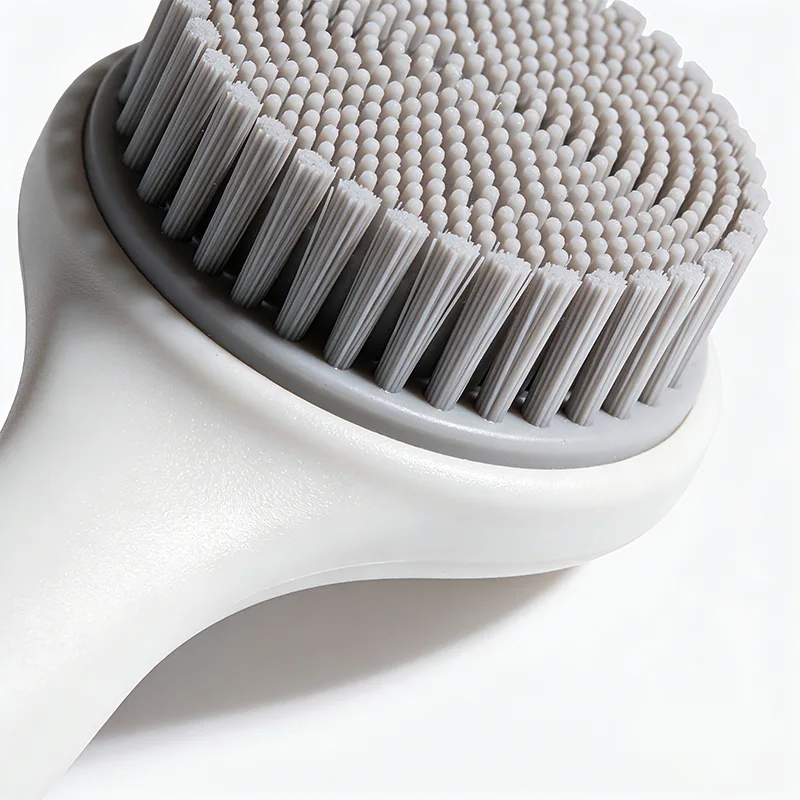
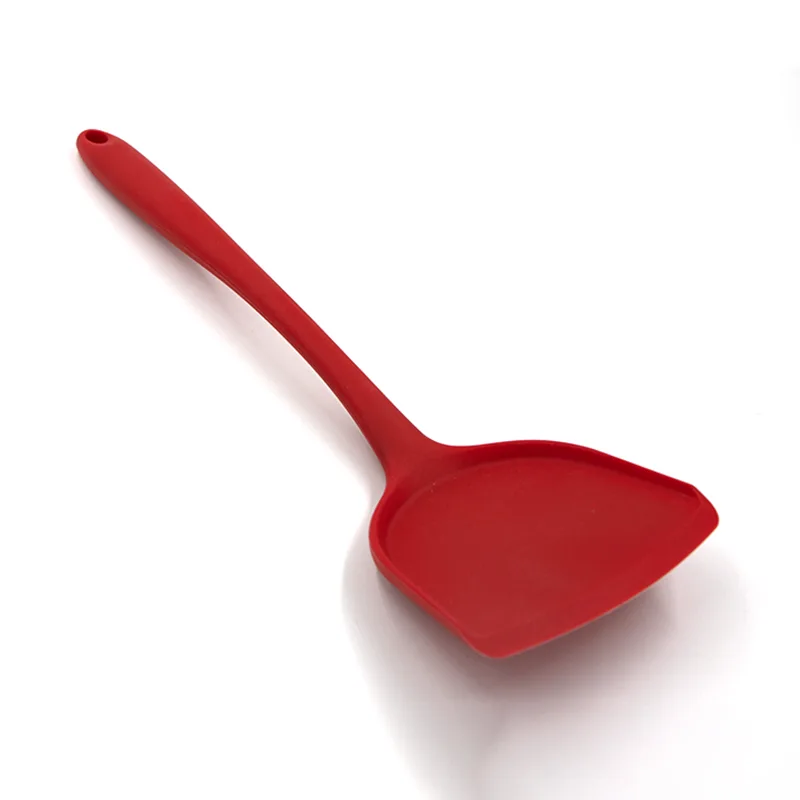
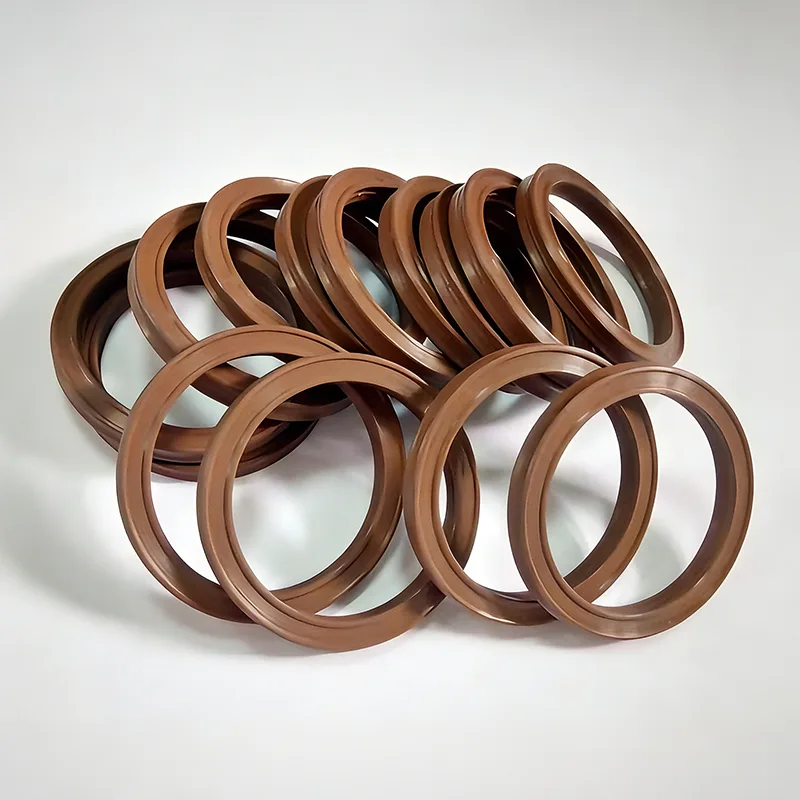
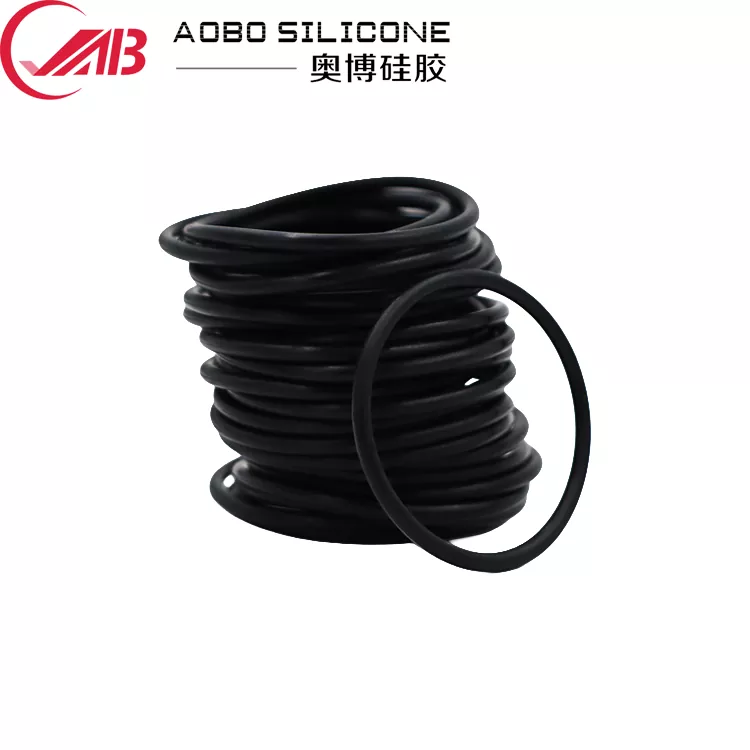
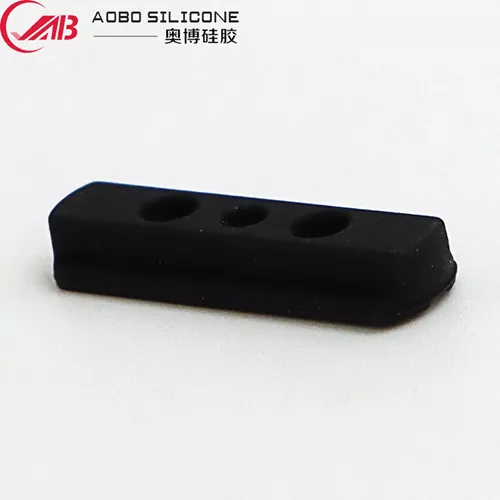
Silicone raw materials, as an environmentally friendly material, are favored by people for their various superior properties. Silicone products are widely used in infant products, kitchenware, fashion items, industrial sealing, medical devices, and more. Wait a moment. In particular, its operating temperature range is from -40 to 220 degrees Celsius, which is beyond the capabilities of plastics. By covering metal or plastic parts with silicone, the final product can achieve a proper balance of hardness and softness. Silicone is a thermoplastic material. When the silicone raw material is subjected to a certain temperature, it solidifies and takes on the shape we desire, thus forming the desired silicone products.
The commonly used molding processes for silicone products are as follows:
1. Extrusion Molding Process
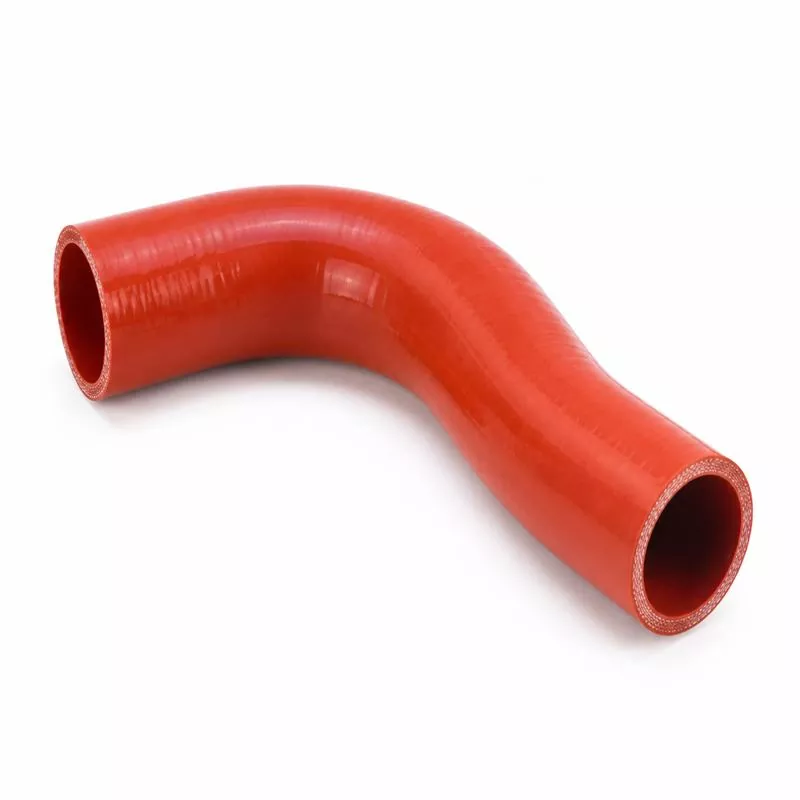
The molding process is similar to squeezing toothpaste. The extrusion head is the shape of the product and has a certain length. Under the action of pressure and temperature, the product coming out of the head is already formed. The products formed by this process are generally in the form of strips, and the cross-section of the products can be various. For example: rectangular strips, circular silicon tubes, etc. Wait a moment.
2. Dripping Glue Process
The silicone raw material is in a liquid state. The raw materials are placed in various syringes and are dripped onto the mold through pneumatic and manual operations, which then undergoes heating and solidification. This process is a manual one and has a relatively low production capacity. However, it has one advantage: a single product can be dripped with multiple colors as per the requirements, mostly for making craft gifts.
3. Solid-state Hot Pressing Molding Process
This process utilizes the temperature and pressure of an oil press to mold the product through a mold. This process is relatively cost-effective, has high output, and is widely used. It is mostly applied to single-color silicone products. It can also be used for two-color, two-hardness products or multi-color, multi-hardness products, but the product structure is not flexible and is restricted. It can also be applied to plastic wrapping and metal wrapping. However, the structure is still not flexible, and there are temperature requirements for the wrapped objects. Generally, the wrapped objects should be able to withstand 120 degrees Celsius without deformation.
4. Liquid Injection Molding Process
This process requires equipment such as a silicone injection machine and a clamping machine. The raw material is in a thick liquid form and is divided into two components, A and B. The principle is: using the clamping machine to mix the raw materials of components A and B in a 1:1 ratio into the injection machine's barrel, and then press it through the nozzle into the hot mold cavity for molding. This process has a relatively lower molding temperature, 130 degrees is sufficient. It can be used for the molding of plastic coatings that are not very resistant to high temperatures, which has an advantage over solid-state hot pressing molding. It has high output and is also easy for automated production. However, the cost of the raw materials is several times higher than that of solid-state silicone raw materials.
We use cookies to offer you a better browsing experience, analyze site traffic and personalize content. By using this site, you agree to our use of cookies.Privacy Policy