Why Choose Silicone Sealing Ring for Your Products?
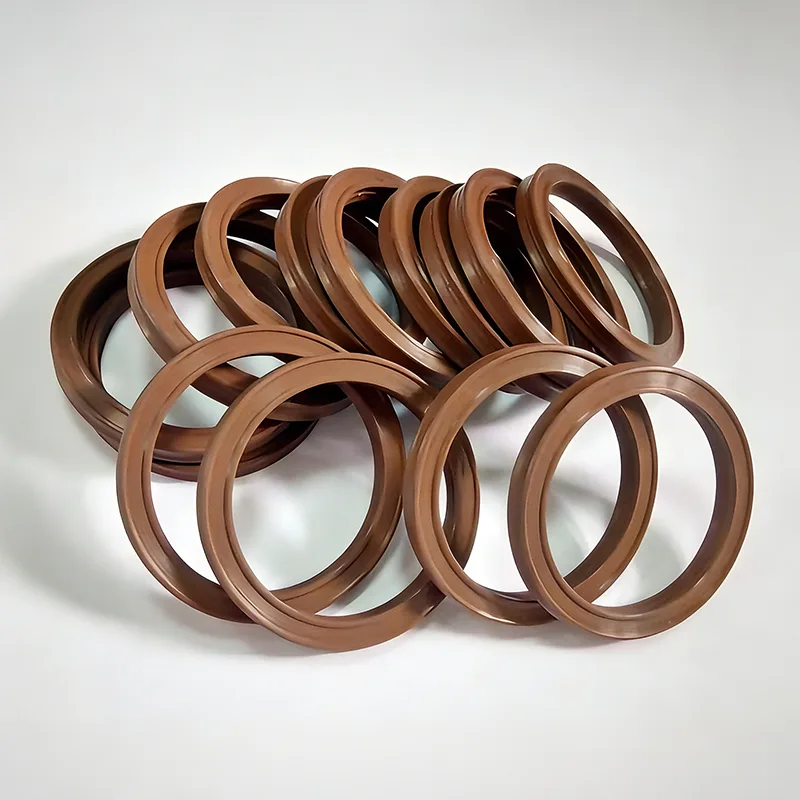
Silicone sealing rings have become an indispensable component in numerous industries, ranging from automotive to household appliances, medical devices, and food processing equipment. This blog explores everything you need to know about silicone sealing rings, helping you make informed decisions for your business or personal needs.
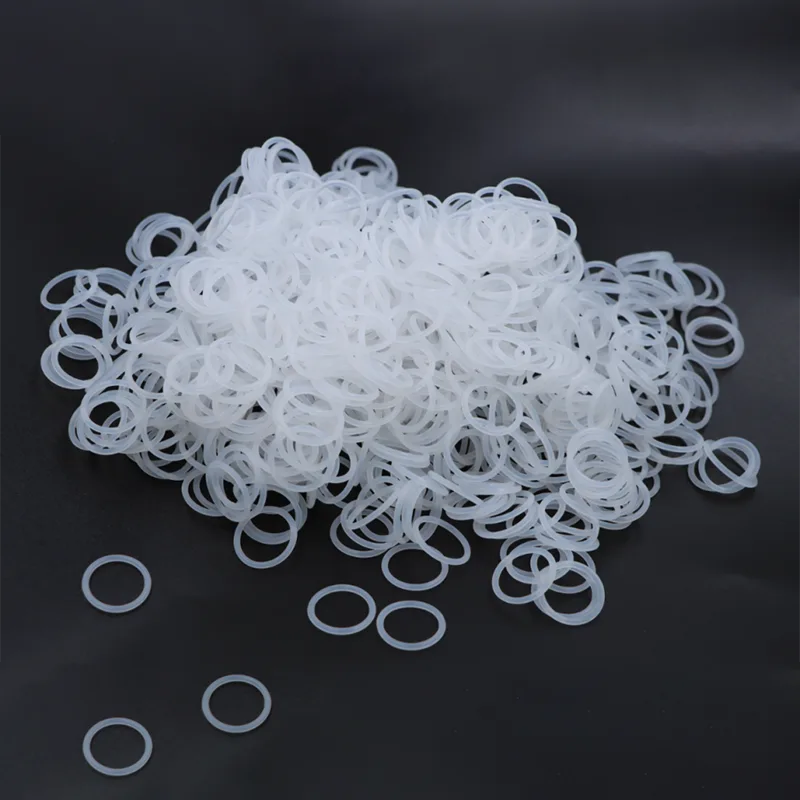
Table of Contents
- Introduction to Silicone Sealing Rings
- Types of Silicone Sealing Rings
- Key Benefits of Silicone Sealing Rings
- Material Properties That Matter
- Applications in Different Industries
- Installation and Maintenance Tips
- Silicone vs Other Sealing Materials
- Common Problems and Solutions
- FAQ About Silicone Sealing Rings
- Conclusion and Contact
Introduction to Silicone Sealing Rings
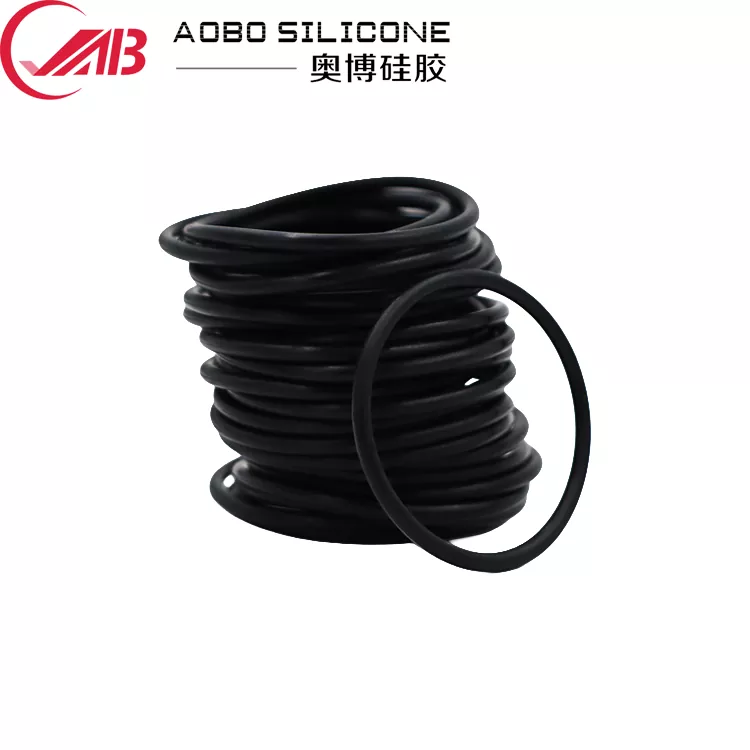
Silicone sealing rings, often referred to as O-rings or gaskets, are circular sealing components made from high-quality silicone rubber. They provide airtight and watertight seals in machines, pipes, and containers. Their popularity has increased due to their durability, flexibility, and resistance to extreme temperatures and chemicals.
Why They Are Essential
- Prevent leakage in mechanical systems
- Enhance the lifespan of equipment
- Ensure safety in critical applications
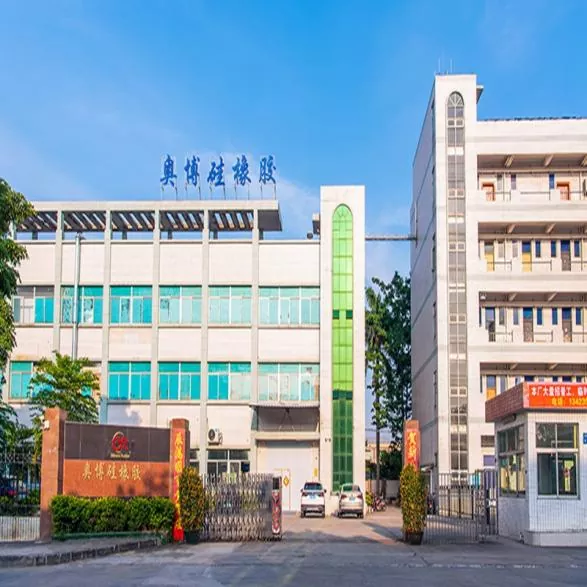
Leading manufacturers like Aobo (Dongguan) Precision Silicone Rubber Products Co., Ltd. offer tailored silicone sealing solutions to meet various industrial and commercial needs.
Types of Silicone Sealing Rings
Not all silicone sealing rings are the same. Selecting the right type is crucial for optimal performance.
1. Standard Silicone O-Rings
Used in general-purpose sealing applications, offering excellent elasticity and chemical resistance.
2. High-Temperature Silicone Rings
Designed for applications with extreme heat, such as automotive engines and industrial machinery.
3. Food-Grade Silicone Rings
Safe for direct contact with food and beverages, often used in kitchen appliances and food processing equipment.
4. Medical-Grade Silicone Rings
Produced according to strict hygiene standards, suitable for medical devices and healthcare products.
| Type | Application | Key Feature |
|---|---|---|
| Standard | General Machinery | Flexibility and chemical resistance |
| High-Temperature | Automotive, Industrial | Heat resistance up to 250°C |
| Food-Grade | Kitchen, Food Processing | FDA approved, safe for food |
| Medical-Grade | Healthcare, Devices | Biocompatible, sterile options |
Key Benefits of Silicone Sealing Rings
Understanding the advantages of silicone sealing rings helps customers choose the right product and avoid common issues.
- Durability: Resistant to cracking, aging, and deformation.
- Temperature Resistance: Works efficiently in extreme cold and heat.
- Chemical Resistance: Withstands oils, solvents, and cleaning agents.
- Flexibility: Maintains elasticity over long periods.
- Hygiene: Suitable for food, beverage, and medical industries.
Material Properties That Matter
Silicone sealing rings are prized for their material properties, which influence performance and longevity.
Elasticity and Compression Set
High elasticity ensures a tight seal while the low compression set prevents permanent deformation over time.
Temperature Tolerance
Silicone can handle -60°C to 250°C, making it suitable for refrigerators, ovens, and industrial applications.
Chemical Compatibility
Resistant to many chemicals, silicone prevents swelling, cracking, or degradation in harsh environments.
Applications in Different Industries
1. Automotive Industry
- Engine gaskets and seals
- Brake systems
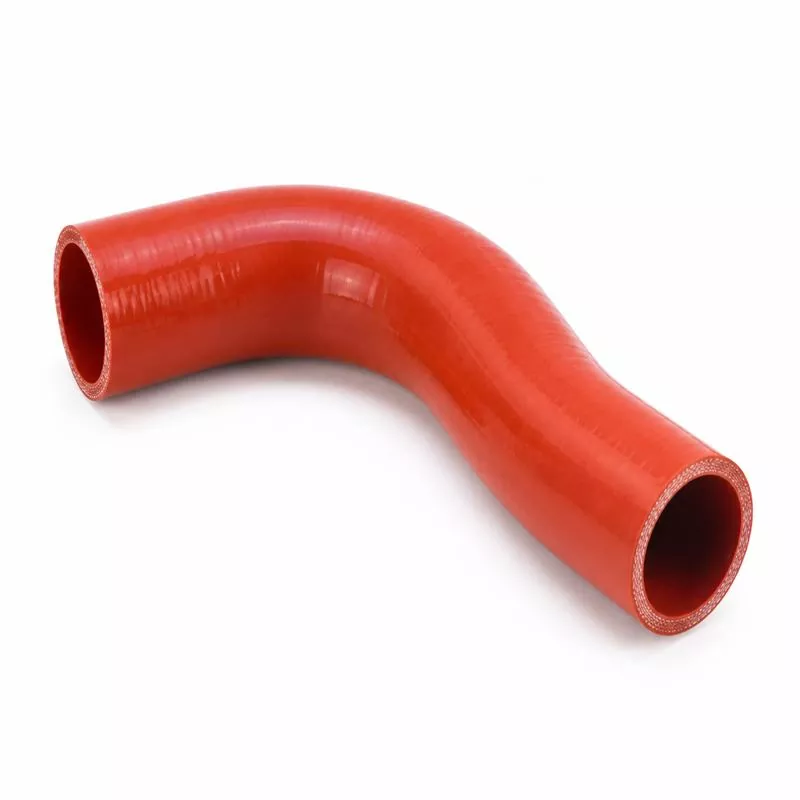
- HVAC systems
2. Household Appliances
- Pressure cookers and blenders
- Dishwashers and coffee machines
- Vacuum containers
3. Medical and Healthcare
- Medical devices like pumps and valves
- Sterile packaging seals
4. Food & Beverage
- Sealing jars and bottles
- Food processing equipment gaskets
5. Industrial Applications
- Pipelines and hydraulic systems
- Air compressors and vacuum systems
Installation and Maintenance Tips
Proper Installation
- Ensure the groove and ring are clean before installation.
- Lubricate the ring lightly to prevent pinching during assembly.
- Check for proper fit and compression.
Regular Maintenance
- Inspect periodically for cracks or wear.
- Replace silicone sealing rings before failure occurs.
- Store spare rings in a cool, dry place away from sunlight.
Silicone vs Other Sealing Materials
| Material | Temperature Resistance | Chemical Resistance | Longevity | Cost |
|---|---|---|---|---|
| Silicone | -60°C to 250°C | Excellent | High | Medium |
| Rubber (NBR) | -40°C to 120°C | Good | Medium | Low |
| EPDM | -50°C to 150°C | Excellent with water and steam | Medium | Medium |
| PTFE | -200°C to 260°C | Outstanding | Very High | High |
Silicone is generally the best compromise of performance, longevity, and cost for most applications.
Common Problems and Solutions
Leakage Issues
- Cause: Incorrect size or poor installation.
- Solution: Re-measure the groove and replace with correctly sized silicone ring.
Cracking or Hardening
- Cause: Exposure to extreme heat or UV light.
- Solution: Switch to high-temperature or UV-resistant silicone rings.
Swelling in Chemicals
- Cause: Use of incompatible chemicals.
- Solution: Verify chemical compatibility charts from Aobo (Dongguan) Precision Silicone Rubber Products Co., Ltd.
FAQ About Silicone Sealing Rings
Q1: What is the difference between silicone and rubber O-rings?
A1: Silicone offers higher temperature tolerance, chemical resistance, and flexibility compared to standard rubber O-rings, making it suitable for more demanding applications.
Q2: Can silicone sealing rings be used in food processing?
A2: Yes, food-grade silicone sealing rings are FDA approved and safe for direct contact with food and beverages.
Q3: How long do silicone sealing rings last?
A3: With proper use and maintenance, silicone sealing rings can last 5-10 years depending on the environment and application.
Q4: Are silicone sealing rings reusable?
A4: They can be reused if undamaged, but it’s recommended to replace them during critical maintenance for safety and performance.
Conclusion and Contact
Silicone sealing rings are an essential component in many industries due to their durability, flexibility, and chemical resistance. Choosing the right type and quality, like those offered by Aobo (Dongguan) Precision Silicone Rubber Products Co., Ltd., can significantly improve product performance and safety.
If you are seeking reliable silicone sealing solutions, don’t compromise on quality. Contact us today to explore our wide range of silicone sealing rings and find the perfect fit for your needs.
Related News
- Why Do X-Rings Offer Better Sealing Performance Than O-Rings?
- What International Standards Apply to X-Rings? A Detailed Explanation of Common Dimensional Standard Systems
- 2026 Silicone Plate Recommendations: A Guide to Avoiding Pitfalls in Non-Slip Silicone Plate Selection
- Avoid the Low-Price Trap: Your Complete Guide to Sourcing O-Shaped Silicone Seal Rings
- What is a Silicone Connector? A Full Guide to Its Uses, Materials and Selection
- What Are Silicone Vape Accessories? A Complete Guide to Food-Grade Silicone Smoking Accessories
Leave me a message